
The Contested Cuisine of Cyprus
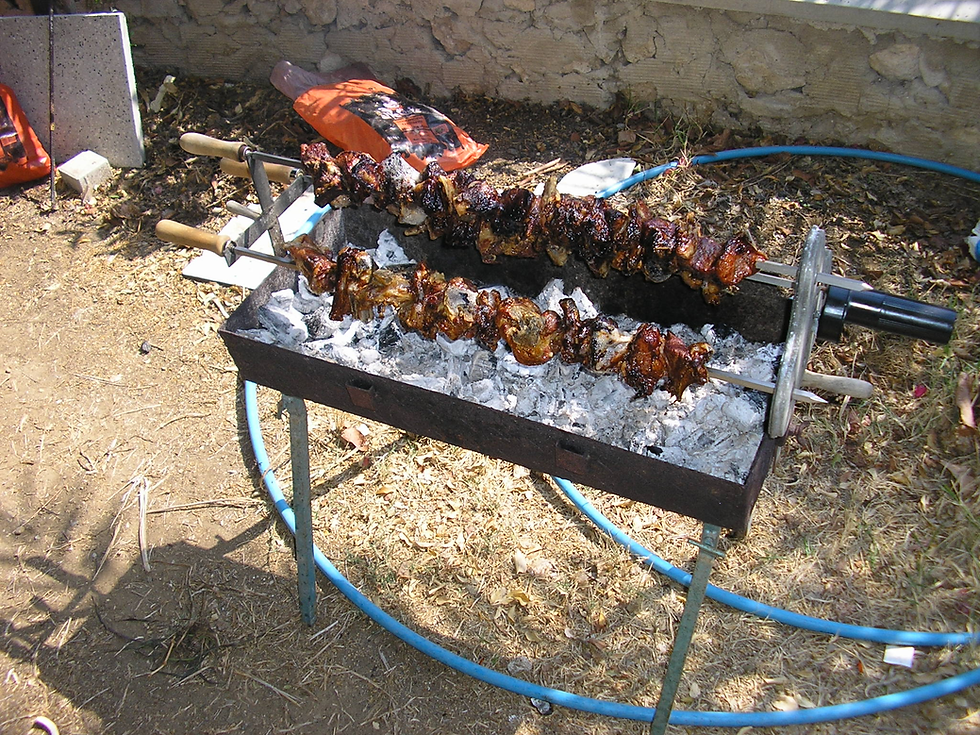
Cyprus sits at the crossroads of Europe, Asia, and Africa, a Mediterranean island whose cuisine reflects thousands of years of trade, conquest, and cultural exchange. Phoenician merchants, Greek settlers, Roman administrators, Byzantine rulers, Lusignan nobles, Venetian traders, Ottoman governors, and the British Empire each left lasting marks on the island's tables. The result is a cuisine that is unmistakably Mediterranean yet uniquely Cypriot, blending familiar ingredients into dishes shaped by local traditions and seasonal rhythms. Across mountain villages, fertile plains, and coastal fishing towns, meals celebrate hospitality, family gatherings, and the agricultural riches of an island where olive groves, vineyards, and citrus orchards have flourished for millennia.
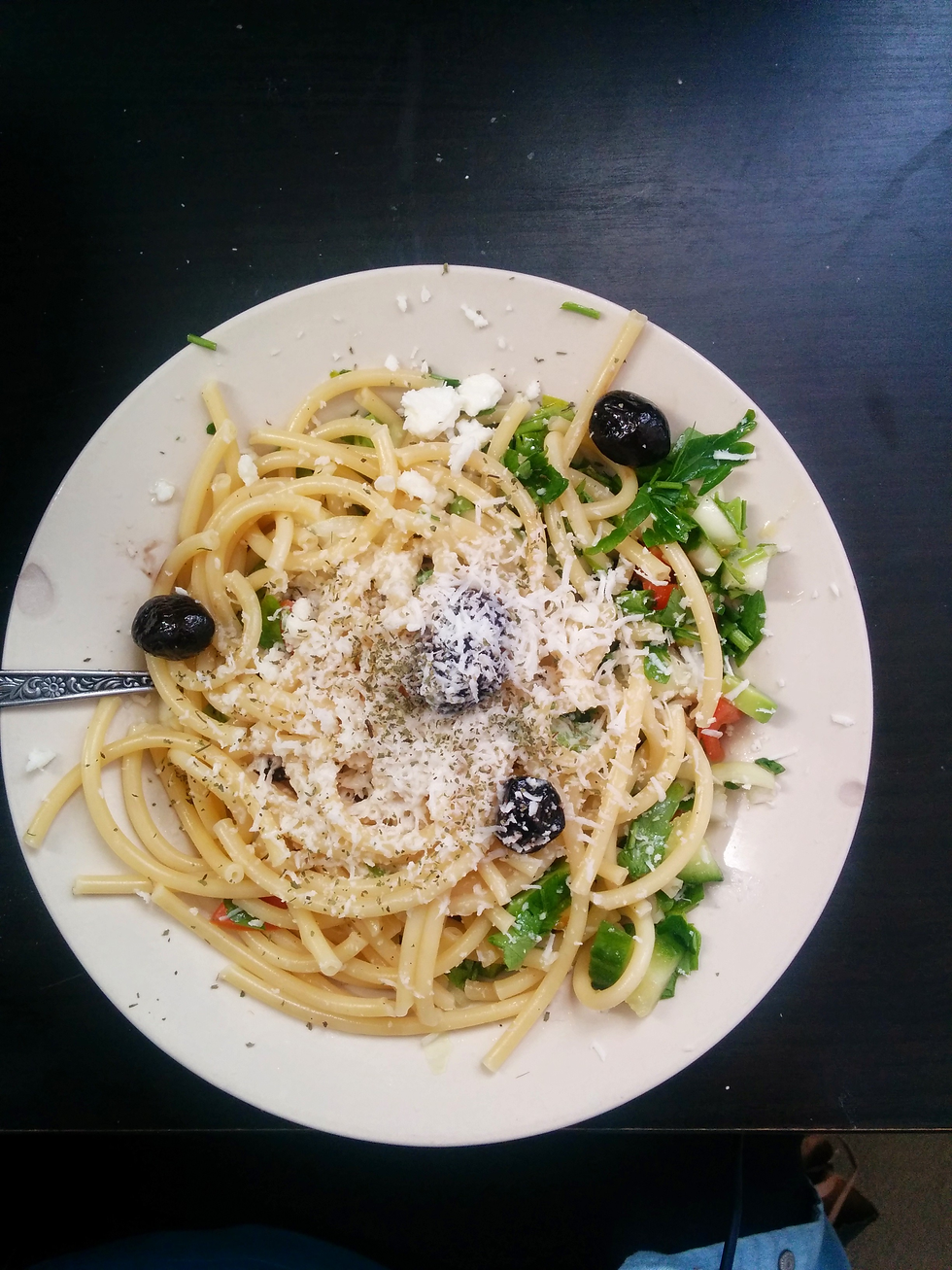
The foundations of Cypriot cuisine rest upon ingredients that have sustained island communities since antiquity. Extra virgin olive oil flavours nearly every savoury dish, while wheat appears in breads, pastries, and cracked bulgur. Halloumi, the island's celebrated semi-hard cheese traditionally made from sheep's and goat's milk, has become Cyprus's most internationally recognised culinary ambassador. Fresh vegetables such as tomatoes, aubergines, courgettes, peppers, and okra thrive in the Mediterranean climate, while herbs including mint, oregano, parsley, coriander, and thyme lend fragrance to everyday cooking. Chickpeas, lentils, broad beans, almonds, pistachios, walnuts, figs, pomegranates, and fragrant lemons further enrich the island's pantry, alongside seafood drawn from surrounding waters and lamb, goat, pork, and poultry raised inland.
Many of Cyprus's best-known dishes showcase this abundance with remarkable simplicity. Meze, the island's iconic shared dining tradition, unfolds through dozens of small plates that may include olives, tahini, hummus, grilled halloumi, octopus, sausages, salads, stuffed vine leaves, and slow-cooked meats before concluding with fresh fruit or sweets. Kleftiko, in which lamb is slowly roasted until it falls from the bone, reflects generations of pastoral cooking, while souvla and souvlaki celebrate charcoal grilling during festivals and family gatherings. Hearty stews, lentil soups, village breads baked in stone ovens, and desserts such as loukoumades, baklava, and spoon sweets illustrate a cuisine that balances rustic practicality with generous hospitality, where sharing food is considered as important as the dishes themselves.
Yet Cyprus's culinary identity cannot be separated from its modern political history. Since 1974, the island has remained divided between the internationally recognised Republic of Cyprus in the south, where most Greek Cypriots live, and the Turkish-controlled north, inhabited primarily by Turkish Cypriots. Although the Green Line separates communities politically, their culinary traditions remain deeply intertwined after centuries of shared history. Recipes often differ only in name, subtle seasoning, or preparation, revealing common roots that predate the island's division. At the same time, decades of separation have encouraged each community to emphasize distinct cultural influences, with Greek Cypriot cuisine drawing more visibly from Greece and Turkish Cypriot cooking maintaining stronger culinary ties with Türkiye.
This divided landscape has produced both divergence and continuity. In Greek Cypriot homes, dishes such as afelia—pork braised with coriander and wine—and Easter breads often accompany Orthodox religious celebrations, while Turkish Cypriot families prepare specialties including şeftali kebab, a sausage-like grilled delicacy wrapped in caul fat, alongside recipes associated with Muslim festivals. Coffee culture also reflects shared heritage, with the same finely ground brew sometimes labelled "Cypriot coffee," "Greek coffee," or "Turkish coffee" depending upon community and political perspective. Markets on both sides of the island continue to sell similar olives, cheeses, herbs, spices, and fresh produce, demonstrating that the island's fertile landscape has remained remarkably consistent even as identities have evolved.
Today, Cypriot cuisine tells a story that extends beyond recipes alone. It speaks of resilience, migration, coexistence, and the enduring influence of geography upon culture. Young chefs increasingly celebrate traditional ingredients while experimenting with contemporary techniques, reviving forgotten village recipes and highlighting sustainable local agriculture. Farmers continue cultivating ancient olive trees and indigenous grape varieties, preserving flavors rooted in centuries of Mediterranean history. For travelers, every shared meze, every slice of halloumi, and every family recipe offers a glimpse into an island whose complex past has shaped one of the Mediterranean's most fascinating culinary traditions—a cuisine that remains simultaneously united by its land and divided by its history.



Comments