
Migrant Worker Rights in Qatar: Challenges, Reforms, and the Path Toward Fair Labor Practices

Migrant worker rights in Qatar have been a subject of global scrutiny, particularly in the lead-up to the 2022 FIFA World Cup. For decades, Qatar relied heavily on migrant labor, primarily from South Asia and East Africa, to build its infrastructure. Workers often faced exploitative conditions under the kafala sponsorship system, which tied their legal status to their employer, limiting freedom of movement and making it difficult to change jobs or report abuse. Reports of unpaid wages, unsafe working conditions, and confiscated passports raised serious human rights concerns. In response to international pressure, Qatar introduced a series of reforms aimed at improving labor protections, including the partial dismantling of the kafala system and the implementation of a minimum wage.
Despite these reforms, enforcement remains inconsistent, and many workers still struggle to access their rights fully. Advocacy groups have noted that while legal frameworks have improved on paper, gaps remain in implementation and accountability. Workers often lack access to legal representation, and fear of retaliation can prevent them from reporting mistreatment. However, the reforms have marked a significant shift in policy, offering hope for continued progress. Ongoing international monitoring, stronger enforcement mechanisms, and increased worker education will be essential to ensure that these rights are not just theoretical, but truly upheld in practice across Qatar’s labor system.
The longstanding abuse of migrant worker rights in Qatar has deep roots in the country’s rapid development and labor demands. Beginning in the 1970s with the oil and gas boom, Qatar sought cheap, temporary labor from countries like Nepal, India, Bangladesh, and Kenya. The kafala system, borrowed from other Gulf states, enabled employers to exert near-total control over workers’ lives. Migrants often faced recruitment fees, contract substitution, overcrowded accommodations, and threats of deportation for complaining. With little to no legal protection and limited oversight, abuse became systemic. Workers were treated as expendable, with few options for recourse. The absence of independent labor unions or collective bargaining rights further silenced their voices, allowing employers to exploit a largely invisible workforce.
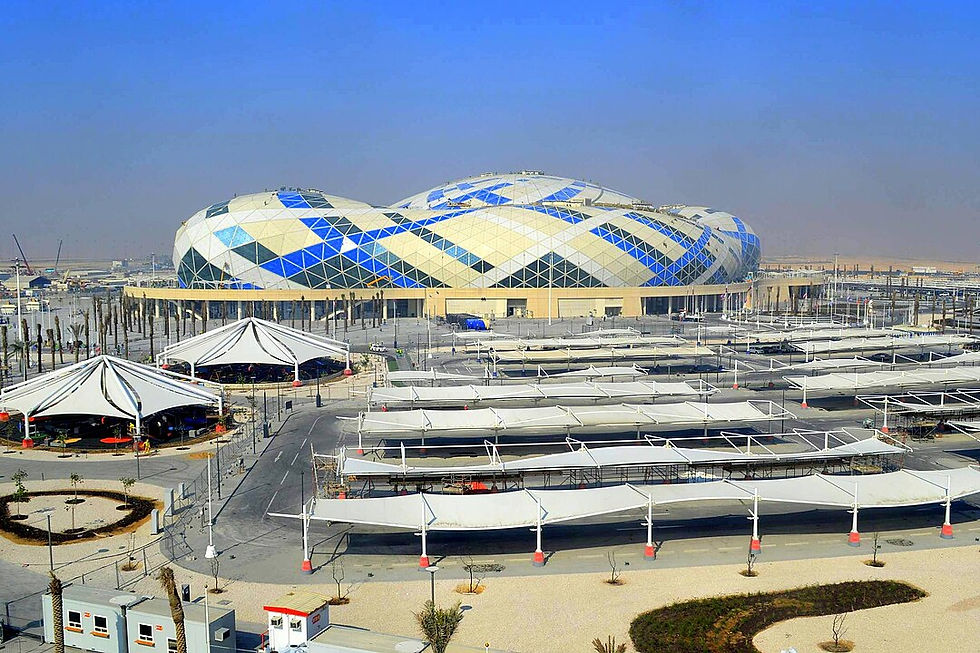
These conditions persisted for decades, largely ignored until international media and human rights groups began highlighting abuses tied to Qatar’s World Cup preparations. Shocking reports of worker deaths, wage theft, and unsafe construction sites ignited global outrage. Advocacy from organizations like Amnesty International and Human Rights Watch placed unprecedented pressure on Qatari authorities. Although recent reforms have sought to address these injustices, the legacy of abuse casts a long shadow. Many migrant workers still carry the burden of past exploitation, and rebuilding trust will require sustained, transparent efforts and stronger protections to ensure meaningful change endures.
The kafala system has been central to the suppression of migrant worker rights in Qatar, functioning as a legal structure that bonded workers to their employers. Under this system, workers were not allowed to change jobs, leave the country, or even report abuse without the explicit permission of their sponsor. This imbalance of power created an environment where employers could exploit laborers with little fear of consequence. Many migrants found themselves trapped in exploitative situations, working long hours for low wages in dangerous conditions. Employers often withheld passports or delayed payments, while legal protections for workers remained minimal. The system essentially reduced migrant labor to a form of modern-day indentured servitude, with few avenues for justice.
In recent years, Qatar has taken steps to reform the kafala system, notably introducing legislation in 2020 that allows workers to change jobs without employer consent and mandates a monthly minimum wage. These reforms are significant and mark a shift in policy, driven largely by international criticism and scrutiny ahead of the World Cup. However, challenges persist in enforcement. Many workers remain unaware of their rights, while some employers continue to find ways around new regulations. True progress requires not only legal change but also cultural transformation, consistent oversight, and empowering migrants through education and access to justice.

While the kafala system has been a major factor in migrant worker rights violations in Qatar, other structural and systemic issues have also contributed to widespread abuse. Recruitment practices in workers’ home countries often involve high fees, leading laborers to take on debt before even arriving in Qatar. These debts make workers more vulnerable to exploitation, as they feel pressured to endure poor conditions to repay what they owe. Additionally, language barriers and lack of legal literacy prevent many migrants from understanding their contracts or reporting abuse. Some companies also misrepresent the nature of the jobs, wages, and living conditions, leaving workers in situations far different from what they were promised.
Another significant factor is the lack of robust institutional accountability. While labor reforms have been passed, enforcement mechanisms are often weak or inconsistently applied. Qatar’s legal system can be difficult for non-citizens to navigate, with slow or inaccessible dispute resolution processes. Many workers fear retaliation if they speak out, including termination or deportation. Furthermore, the absence of independent trade unions prevents collective bargaining, limiting workers’ ability to advocate for improved conditions. Addressing migrant labor abuse in Qatar requires a comprehensive approach—one that includes better recruitment regulation, improved access to justice, and continued international pressure to hold both employers and the state accountable.
Domestic migrant workers in Qatar—primarily women from countries such as the Philippines, Indonesia, and Ethiopia—face some of the harshest and most isolated forms of abuse. Unlike construction or hospitality workers who often live and work in communal settings, domestic workers live in their employers’ homes, where they are largely hidden from public oversight. Many work excessively long hours without rest days, endure verbal, physical, or even sexual abuse, and face restrictions on communication with the outside world. Due to their isolation, domestic workers are especially vulnerable to exploitation and often lack the ability or opportunity to report mistreatment. Employers have been known to withhold wages, passports, and restrict freedom of movement, leaving workers trapped in abusive households.

While Qatar introduced Law No. 15 in 2017 to protect domestic workers—setting standards for working hours, rest, and leave—the law’s enforcement remains weak. Many employers continue to operate outside these regulations, and workers rarely see justice due to limited access to legal representation and fear of retaliation. Furthermore, domestic workers are still excluded from some labor protections granted to other sectors. Without mechanisms for monitoring private households or empowering workers through education and support services, abuse continues largely unchecked. Addressing the plight of domestic workers requires urgent reforms, strict enforcement, and international oversight to ensure these hidden workers are not forgotten.
Despite Qatar’s public commitment to labor reform, many of the promises made have fallen short in practice, leading human rights groups to label them as largely symbolic or selectively enforced. Laws allowing migrant workers to change jobs and mandating a minimum wage were seen as breakthroughs, but numerous reports reveal that employers continue to retaliate against workers who attempt to exercise these rights. Passport confiscation, threats of deportation, and blacklisting remain widespread. While Qatar established labor dispute committees, the process is often lengthy and stacked against workers, who may lack the resources to navigate the legal system or endure months without income during proceedings.
The lack of consistent enforcement and meaningful oversight has led many critics to describe the reforms as a public relations effort aimed at appeasing international scrutiny ahead of major global events, such as the 2022 World Cup. Inspections are limited, and penalties for violations are inconsistently applied or insufficiently severe to deter repeat offenders. Advocacy organizations argue that without systemic change—such as empowering workers through union rights, enhancing transparency, and holding employers accountable—abuses will persist behind a façade of progress. Ultimately, while Qatar has taken legislative steps forward, the gap between policy and reality remains wide, and many migrant workers continue to suffer under a system that fails to protect them fully.
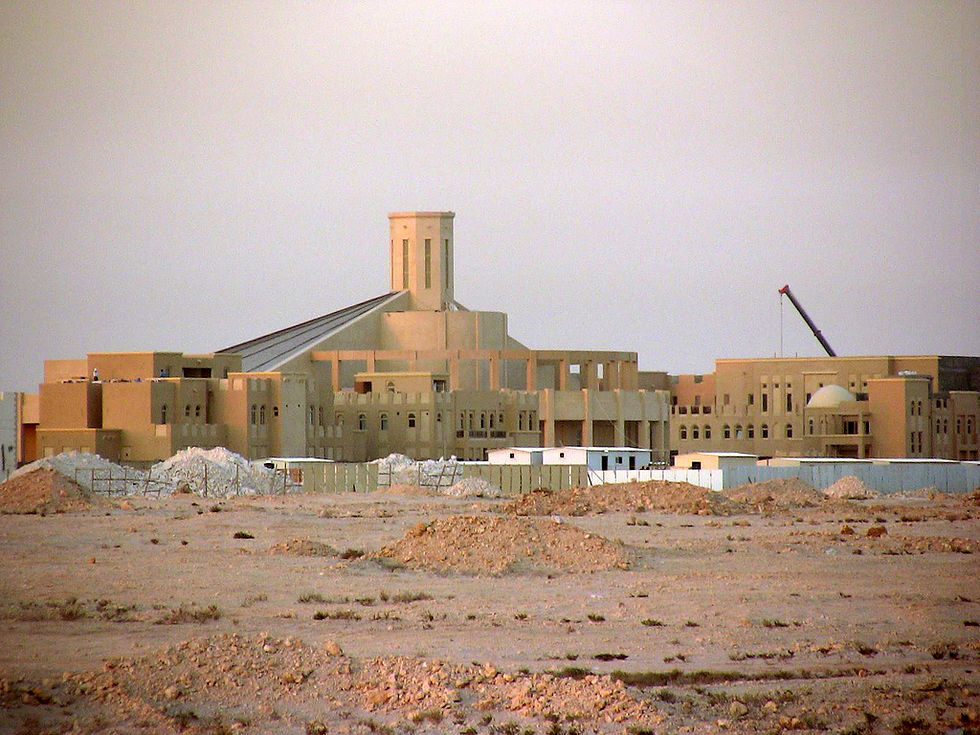
Low pay remains one of the most persistent and damaging issues faced by migrant workers in Qatar. Although a monthly minimum wage of 1,000 Qatari riyals (approximately $275 USD) was introduced in 2021—making Qatar the first Gulf state to implement a non-discriminatory wage floor—many workers argue that this amount is insufficient to cover basic living expenses, let alone support families back home. Additional allowances for food and housing are supposed to be provided if not included by the employer, but these are not always enforced. Workers in sectors like domestic labor, security, and cleaning services often report underpayment, delayed wages, or unauthorized deductions, leaving them trapped in cycles of debt and poverty.
The problem is compounded by the high recruitment fees many workers pay before arriving in Qatar, sometimes amounting to several months' worth of wages. This financial burden forces them to accept poor pay and conditions simply to repay their debts. Moreover, wage theft remains widespread, with limited mechanisms for swift resolution. Labor courts are overwhelmed and slow, and workers who file complaints risk job loss or deportation. While Qatar has taken steps to improve wage protection, including digital payment systems, the implementation is inconsistent. Until wages are both fair and reliably paid, true progress for migrant workers will remain elusive.
The Qatari government has taken several high-profile steps in recent years to address the longstanding abuse of migrant workers. In response to international criticism, particularly surrounding preparations for the 2022 FIFA World Cup, Qatar introduced significant reforms. These include the introduction of a non-discriminatory minimum wage, the establishment of a Wage Protection System (WPS) to ensure timely salary payments, and the partial dismantling of the kafala system. Notably, workers are now legally permitted to change employers without the approval of their sponsor and can leave the country without an exit permit. The government has also launched labor dispute committees intended to resolve complaints more efficiently, and collaborated with the International Labour Organization (ILO) to support reform implementation.
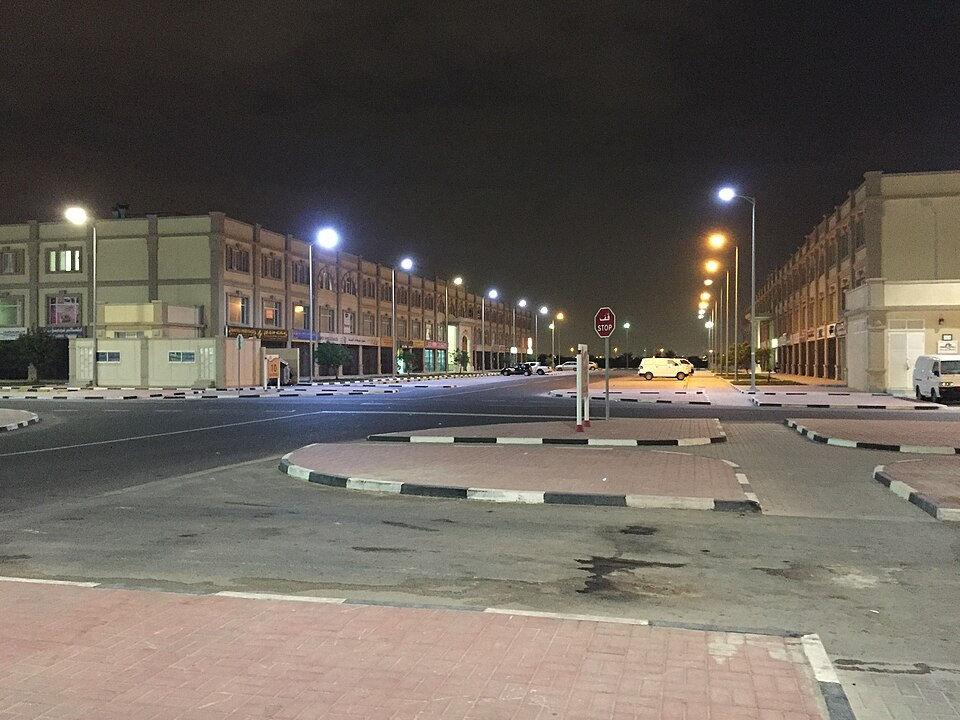
Despite these efforts, major gaps remain between policy and practice. Many workers still report that employers retaliate when they try to change jobs or seek justice, and enforcement of new laws is inconsistent. Inspections are often infrequent, and penalties for violations are not always applied. Additionally, domestic workers remain excluded from many protections, and recruitment abuses in countries of origin continue unchecked. While Qatar’s reforms represent a step in the right direction and have been acknowledged internationally, sustained political will, stronger enforcement, and systemic cultural change are essential to making these protections meaningful for all migrant workers.
Leading up to and during the 2022 FIFA World Cup, Qatar faced heightened scrutiny over the safety and treatment of its migrant workforce, who were instrumental in constructing stadiums, roads, hotels, and other critical infrastructure. In response to growing international pressure, the Qatari government and organizing bodies introduced some safety improvements, including stricter labor regulations at World Cup sites, mandatory safety training, and health standards meant to reduce work-related injuries and deaths. The Supreme Committee for Delivery and Legacy, responsible for World Cup projects, implemented a Workers’ Welfare Standards program, which was intended to monitor conditions and ensure compliance with labor laws. However, these standards applied primarily to a fraction of the total workforce—specifically those working directly on tournament infrastructure.
Despite these efforts, many human rights groups reported that thousands of workers operating outside official World Cup projects remained at high risk. There were reports of excessive heat exposure, inadequate medical care, and underreported deaths attributed to “natural causes” rather than work-related stress. Additionally, laborers often lived in overcrowded accommodations with poor sanitation. While some improvements were made in select areas, the overall picture remained deeply concerning. The global spotlight prompted change, but many workers continued to suffer unsafe conditions, revealing the need for broader, long-term reforms beyond the scope of a single sporting event.

To genuinely improve the lives of migrant workers, the Qatari government must move beyond symbolic reforms and prioritize comprehensive enforcement of existing labor laws. This includes establishing independent monitoring bodies with the authority to investigate abuses and impose meaningful penalties on violators. Strengthening access to legal support for workers is crucial, ensuring they can file complaints without fear of retaliation or deportation. The government should also expand protections to cover all sectors, especially domestic workers, who remain vulnerable due to their isolation and exclusion from many labor regulations. Increasing transparency around recruitment fees and cracking down on exploitative practices both within Qatar and in workers’ home countries would help reduce debt bondage and financial exploitation.
In addition, Qatar must invest in worker education and empowerment programs to raise awareness of rights and available resources. Supporting the formation of worker committees or unions could give laborers a collective voice, improving negotiation power and workplace conditions. International cooperation, particularly with organizations like the ILO, should continue to guide reforms and ensure global labor standards are met. Ultimately, sustained political will, cultural change, and accountability will be essential to transforming Qatar’s labor system into one that respects and protects migrant workers as vital contributors to the nation’s development.
FIFA and international businesses with ties to Qatar bear a significant responsibility to ensure that migrant workers’ rights are respected and protected. As global entities benefiting from Qatar’s hosting of the World Cup and its booming economy, they should leverage their influence to demand higher labor standards and transparency throughout supply chains. FIFA, in particular, can set a strong example by maintaining rigorous monitoring of labor conditions on World Cup-related projects and requiring contractors to adhere to strict ethical guidelines. Beyond the tournament, ongoing oversight and public reporting on worker welfare can help sustain momentum for reform. Businesses partnering with Qatari firms should conduct thorough due diligence, ensuring their operations do not contribute to exploitation and that fair labor practices are upheld at every level.
Furthermore, multinational corporations can support capacity-building initiatives aimed at educating workers about their rights and providing legal assistance when abuses occur. They should also advocate for the inclusion of migrant workers in decision-making processes, amplifying voices that are often marginalized. By committing resources to independent audits and collaborating with human rights organizations, FIFA and corporate partners can promote accountability and help close the gap between law and practice. Ultimately, sustained pressure and cooperation from these global stakeholders are essential to improving working conditions and ensuring that Qatar’s economic growth benefits all those who contribute to it.


Comments