
Aquaculture in French Polynesia
Aquaculture in French Polynesia focuses primarily on the farming of black-lipped pearl oysters (Pinctada margaritifera), which produce the region’s famous black pearls. This industry is a major economic driver, especially in the Tuamotu and Gambier Islands. Farmers cultivate oysters in lagoon-based systems, carefully monitoring water quality and growth conditions. In addition to pearls, there are growing efforts in fish farming, particularly for species like parrotfish and trevally, to support food security and reduce pressure on wild stocks. Sustainable aquaculture practices are promoted to protect fragile marine ecosystems, ensuring the long-term viability of both the environment and local livelihoods.
Pearl oyster aquaculture is the dominant industry in French Polynesia, particularly in the Tuamotu and Gambier Islands, where the world-renowned Tahitian black pearls are cultivated. This industry not only drives the local economy but also plays a significant role in shaping the region’s cultural identity. The black-lipped pearl oyster (Pinctada margaritifera) thrives in the region’s warm, clean lagoons, providing ideal conditions for pearl farming. The process of cultivating these oysters is highly specialized, involving grafting techniques and years of careful nurturing to produce pearls of exceptional quality. The pearls’ unique colors, ranging from deep blacks to shades of green, blue, and silver, have established Tahitian pearls as one of the most coveted luxury goods globally.
The black-lipped pearl oyster is a central figure in French Polynesia's aquaculture industry. Native to the region, this oyster is well-suited to the warm, nutrient-rich waters of the lagoons, which are perfect for cultivating high-quality pearls. The farming process begins with grafting a small bead or tissue into the oyster, a technique that encourages the oyster to create a pearl. Over the course of 18 to 24 months, the oyster is nurtured in the lagoon until the pearl reaches the desired size and quality. The black-lipped oyster is particularly prized for its ability to produce pearls in a wide range of hues, giving it a unique appeal in the global market. The rare beauty of these pearls has made them an iconic symbol of French Polynesia and a significant contributor to the region’s economic growth.

The socio-economic impact of pearl oyster aquaculture in French Polynesia is far-reaching. The pearl industry provides thousands of jobs, particularly in farming, processing, and retail, supporting local communities throughout the archipelago. Many islanders rely on pearl farming as their primary source of income, with families often managing their own farms or working in related sectors. Beyond farming, the industry also supports tourism, with visitors flocking to the islands to buy pearls and tour the farms, creating a symbiotic relationship between pearl aquaculture and the local tourism economy. The pearls themselves also represent a key aspect of Polynesian cultural heritage, with artisans crafting them into high-end jewelry that is sold globally. The continued success of the industry has led to greater economic opportunities, helping to raise the standard of living for many island residents.
Tahitian pearls are exported to a wide range of international markets, with the largest consumers being Japan, the United States, and European countries. These pearls are highly valued in the luxury goods market, where they are often sold as part of fine jewelry collections. In recent years, emerging markets, particularly in China and Hong Kong, have also seen increased demand for Tahitian pearls, further expanding the global reach of the industry. The high price of these pearls, influenced by their size, luster, and color, positions them as a premium product in global markets. This has ensured that the pearl farming industry remains economically vital for French Polynesia, providing a significant portion of the nation’s exports.
Research and development (R&D) are vital for the continued success and sustainability of the pearl oyster aquaculture industry in French Polynesia. Ongoing research efforts focus on improving farming practices, increasing pearl quality, and addressing challenges such as disease prevention, environmental changes, and climate impacts on marine ecosystems. Scientists and pearl farmers are working together to develop more resilient oysters that can better withstand environmental stressors and produce more consistent, high-quality pearls. Additionally, R&D is exploring sustainable farming practices to ensure that pearl aquaculture remains environmentally responsible, with an emphasis on protecting lagoon ecosystems and minimizing the impact of farming on the surrounding environment. Innovation is also occurring in the marketing of pearls, with new strategies being developed to reach emerging markets and promote the cultural significance of Tahitian pearls. These efforts are essential in securing the long-term viability of the industry and ensuring that it continues to thrive for future generations.
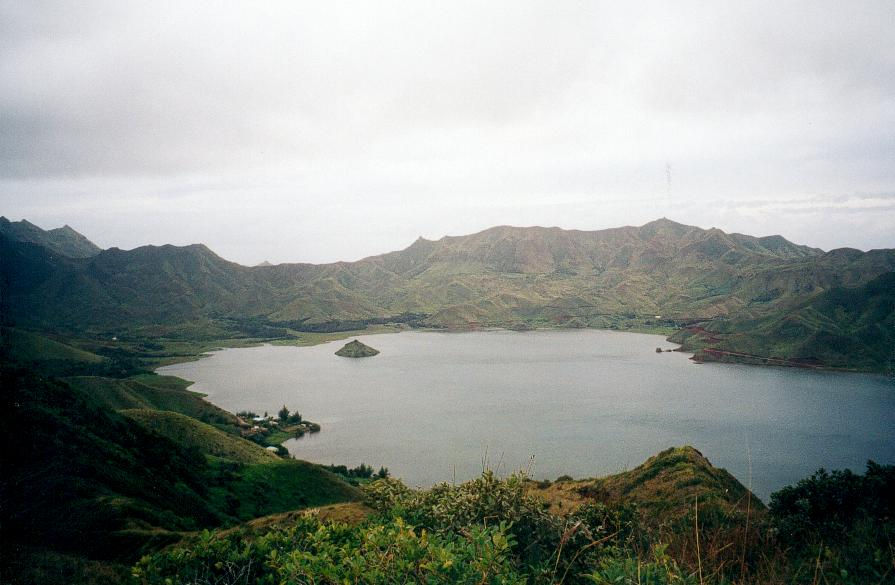
Aquaculture in French Polynesia extends beyond oyster farming, with various initiatives focusing on sustainable practices and the cultivation of diverse marine species. Shrimp farming has become a growing industry, particularly for Pacific white shrimp (Litopenaeus vannamei), which are raised in carefully monitored, environmentally controlled ponds. This industry provides a valuable source of protein and income for local communities. Additionally, giant clam cultivation is another significant aquaculture venture in the region. These clams, which are native to the Pacific, are grown in controlled lagoon environments and help preserve the species while providing a sustainable source of food and income. Efforts to promote co-culture—combining the farming of multiple species in the same system—are also gaining traction, as it enhances environmental efficiency and yields by promoting biodiversity and reducing the need for chemical inputs.
In addition to these initiatives, the farming of finfish species such as grouper and trevally is becoming increasingly popular in French Polynesia. Finfish farming is seen as a potential way to reduce pressure on wild fish populations, although it requires careful management of water quality and feed systems. The development of hatcheries for various species is an essential part of this growth, allowing for more consistent and sustainable production. These hatcheries play a crucial role in supporting aquaculture expansion by providing a steady supply of juvenile fish and shellfish. Sustainability is central to all these aquaculture efforts, with a focus on minimizing environmental impacts, protecting marine ecosystems, and ensuring the long-term viability of local aquaculture industries.
In French Polynesia, government officials and researchers play a vital role in aquaculture development through the Ministry of Fisheries, which oversees policies, regulations, and sustainable practices. The ministry collaborates closely with local and international research institutions to promote innovation and address challenges in the aquaculture sector. Researchers focus on improving farming techniques, species management, and environmental sustainability. Additionally, spatial planning initiatives ensure the sustainable use of marine resources, identifying suitable areas for aquaculture while protecting ecosystems. These collaborative efforts help maintain a balance between industry growth and environmental preservation, ensuring the long-term success of aquaculture in the region.



Comments