
Ötzi the Iceman: A Glimpse Into Prehistoric Life
- Sep 25, 2025
- 18 min read
In 1991, a remarkable discovery in the Ötztal Alps of northern Italy revealed a frozen body that would forever change our understanding of prehistoric Europe. This 5,300-year-old mummy, known as Ötzi the Iceman, is a rare and extraordinary glimpse into the life of a Copper Age man. Preserved by the ice and snow of the high Alps, his remains offer unprecedented insight into the daily life, health, and challenges faced by early humans in Europe. The discovery of Ötzi not only sparked widespread fascination but also reshaped the study of ancient cultures and archaeology.
Ötzi’s body was remarkably well-preserved, allowing scientists to uncover details about his physical appearance, clothing, and even his diet. Standing about 5'3" and weighing around 110 pounds at the time of his death, Ötzi had a robust build. He wore clothing made of plant fibers, leather, and animal pelts, demonstrating early forms of textile craftsmanship. His tools, including a copper axe and a bow, provide clues about his lifestyle, showing that he was well-equipped for survival in the harsh mountain environment. His stomach contents revealed that he ate a meal of meat, grains, and plants shortly before his death, offering direct evidence of his diet.
The circumstances of Ötzi’s death remain a topic of intrigue. Some theories suggest he may have been a victim of a violent confrontation, as evidence of an arrow wound was found in his shoulder. Others believe he succumbed to the harsh conditions of the Alps. Regardless of the cause, Ötzi’s frozen body serves as a time capsule, offering a direct link to a prehistoric past that still holds many secrets, waiting to be uncovered by researchers and explorers alike.
On September 19, 1991, a pair of German hikers, Helmut and Erika Simon, stumbled upon an astonishing find in the Ötztal Alps, near the border between Austria and Italy. Initially mistaken for a modern-day mountaineer who had tragically fallen, the body of Ötzi was soon identified as something far older—an ancient human preserved in ice. At first, the discovery appeared to be just another artifact of a past long forgotten, but as experts began to investigate, they realized the significance of the find. This wasn’t just any ancient relic; it was a perfectly preserved mummy dating back over five millennia.

Within days of the discovery, the remote site became a focal point for a range of specialists, from archaeologists to forensic scientists. The team, led by researchers from the University of Innsbruck, transported the body to a laboratory where they could examine it in more detail. The harsh Alpine conditions had essentially mummified Ötzi, preserving not just his body, but also his clothing, tools, and other personal items. With state-of-the-art technology, scientists began to piece together an intimate portrait of his life and death, from the copper axe he carried to the tattoos on his skin, each one potentially linked to a therapeutic practice or cultural significance.
The significance of the discovery only deepened as new insights came to light. A subsequent investigation revealed that Ötzi had died violently, likely after being struck by an arrow. Researchers found traces of blood and an arrowhead embedded in his left shoulder, suggesting a fatal wound. His body had then been left to freeze in the high-altitude region, his remains preserved by the very ice that had concealed him for thousands of years. Ötzi’s icy tomb had transformed from a mere discovery into a profound link to an ancient world, one that still holds countless mysteries waiting to be unlocked.
Since the discovery of Ötzi, an extensive scientific investigation has unraveled the ancient man’s life in remarkable detail. Researchers employed cutting-edge techniques, including CT scans and DNA analysis, to explore the body and its contents. What they found was a vivid snapshot of a man who lived in a time long before written history. His body, though weathered by centuries of ice, revealed clues about his health, diet, and even the physical stresses he endured. Through painstaking study, scientists learned that Ötzi suffered from multiple ailments, including arthritis in his joints and parasites in his intestines, shedding light on the health challenges faced by prehistoric humans.
Perhaps one of the most surprising aspects of the analysis was Ötzi’s diet. By examining his stomach contents, scientists discovered that he had consumed a meal of meat, grains, and plants shortly before his death. The presence of ibex and deer meat suggested that he was a skilled hunter, while the grains revealed that early humans were beginning to experiment with farming. His diet offered a glimpse into the blend of hunting and early agriculture that defined his lifestyle. Isotopic analysis of his bones further suggested that he likely spent much of his life in the high-altitude regions of the Alps, a physically demanding environment that left marks on his body.

The forensic analysis also revealed intricate details about Ötzi’s social status and technology. His tools, including a copper axe, a bow, and arrows, indicated that he was no ordinary hunter but someone who had access to advanced technology for his time. His clothing, made of animal skins and woven plant fibers, showed that he had a sophisticated understanding of materials and survival. These findings not only painted a picture of his life but also reshaped our understanding of the Copper Age, a period once thought to be primitive but now seen in a new light—one where innovation, skill, and adaptation played a critical role in survival.
Ötzi’s health, as revealed by modern scientific analysis, provides a fascinating glimpse into the physical challenges faced by ancient humans. Despite his relatively young age—around 45 at the time of his death—he exhibited signs of considerable physical wear. Through detailed examinations of his skeleton, researchers identified evidence of severe arthritis in his knees and spine, likely caused by years of strenuous physical labor and rugged living in the harsh mountain environment. The wear and tear on his joints would have caused him significant pain, perhaps limiting his mobility and complicating his survival efforts in the unforgiving Alpine landscape.
Further analysis of Ötzi’s mummified body revealed a variety of parasites, including whipworm and other intestinal parasites, which were common among prehistoric populations. These parasites, likely contracted from contaminated water or food, would have contributed to his discomfort and possibly weakened his immune system. DNA analysis of Ötzi’s stomach contents also revealed traces of a bacterial infection, adding weight to the idea that his body was under constant stress from both physical injuries and environmental hazards. These findings indicate that Ötzi’s life was not without its struggles, and like many humans of his time, he lived with the realities of disease, discomfort, and the constant need for survival.
Perhaps the most surprising aspect of Ötzi’s health was his cardiovascular condition. Analysis of his arteries revealed early signs of atherosclerosis, a condition that today is linked to diet and lifestyle. The buildup of plaque in his arteries suggested that Ötzi’s diet, despite his active lifestyle, may have been high in fats, possibly from consuming animal meat and dairy. This finding challenges previous assumptions about ancient diets and underscores the complexity of prehistoric health, offering a rare opportunity to study how environmental and lifestyle factors contributed to the longevity—and ultimate demise—of one of humanity’s earliest ancestors.

Ötzi’s skeletal remains are a testament to the harsh life he led, providing invaluable insights into the physical toll of his existence. Upon examination, his bones revealed more than just the expected signs of aging. He had suffered multiple injuries over the years, including a broken rib that had healed improperly and a wound to his hand. His right hand, in particular, showed signs of trauma that may have been caused by an accident or a weapon, further hinting at the violent nature of his world. In addition to the injuries, his bones were marked by extensive wear from physical labor, including muscle attachment points that had thickened over time, indicating prolonged strain from activities such as hunting or carrying heavy loads across rugged terrain.
Notably, Ötzi’s skeletal analysis also revealed clues about his physical health and lifestyle choices. Forensic experts were able to determine that he was a relatively small man, standing at just over 5 feet tall, but his bones suggested that he was robust and physically strong for his size. His teeth, which showed significant wear, were likely the result of a diet high in coarse, unprocessed foods, further supporting the idea that his daily life involved strenuous physical labor. These findings offer a window into the realities of prehistoric existence, where survival required constant adaptation to the physical demands of the environment.
One of the most intriguing aspects of Ötzi’s body is the series of tattoos etched into his skin, offering another layer of insight into his life. Scattered across his body, primarily on his lower back, knees, and ankles, these tattoos are made from a combination of soot and charcoal. Initially thought to be purely decorative, modern analysis has suggested that these tattoos may have served a medicinal or therapeutic purpose. The placement of the tattoos aligns with areas of Ötzi’s body that show signs of joint degeneration, leading some experts to hypothesize that these markings were part of an early form of acupuncture, used to alleviate pain from arthritis or other ailments. Though the exact meaning behind these tattoos remains unclear, their existence suggests that Ötzi may have had access to rudimentary medical knowledge, revealing an advanced understanding of the human body for his time. These markings serve as both a form of personal expression and a potential tool for survival, offering yet another glimpse into the complex life of this ancient individual.
Ötzi’s clothing is a remarkable testament to the ingenuity and resourcefulness of prehistoric humans. His attire, made from a combination of animal hides, plant fibers, and leather, was designed for maximum insulation and protection in the unforgiving Alpine environment. His ensemble included a cloak made from woven grass, a leather belt, and a hat crafted from finely stitched animal pelts. The materials used were expertly chosen to offer both warmth and flexibility, showcasing the advanced knowledge of natural resources that Ötzi’s community possessed. His clothes were not just functional but also carefully constructed, with a deep understanding of the materials’ properties, such as their ability to trap air for insulation and wick moisture away from the body.

The footwear worn by Ötzi was equally sophisticated, reflecting the high-altitude conditions in which he lived. His shoes, made from plant fibers and leather, were designed to offer stability and insulation on rocky, snow-covered terrain. The soles were thick, composed of layers of bark, while the interior was lined with grass to provide additional warmth and cushioning. The construction of the shoes is particularly notable because they were waterproof, thanks to the use of fat and oil applied to the leather, which would have kept his feet dry in wet conditions. The shoes' durability and adaptability reveal that Ötzi had a keen understanding of both his environment and the materials necessary to navigate it effectively.
Ötzi’s clothing and shoes represent more than just practical solutions for survival; they embody the ingenuity and technological advancements of prehistoric humans. The complexity of his attire reflects a level of skill and resourcefulness that challenges the conventional view of early humans as primitive. Instead, Ötzi’s garments offer evidence of a society that had mastered the use of natural materials, crafting garments that were not only functional but also well-suited to their specific needs. The clothing reveals that Ötzi was not just a solitary hunter but a member of a community capable of adapting to and thriving in one of the most challenging environments on Earth. This advanced understanding of materials and craftsmanship underscores the creativity and resilience that defined human survival in the ancient world.
Ötzi’s tools provide further insight into the skills and resources available to prehistoric people living in the Alpine regions. Among the most remarkable discoveries was a well-crafted copper axe, a rare find that underscores the technological advancements of the time. The axe, with its sharp, finely honed blade and sturdy wooden handle, is evidence of Ötzi’s ability to create and use sophisticated tools. Copper, though in its early stages of use, suggests that Ötzi was part of a society on the cusp of the Copper Age, where metalworking was a valuable skill. In addition to the axe, Ötzi carried a bow and arrows, items that not only reveal his role as a hunter but also his proficiency with projectile weapons, which were essential for hunting game in the rugged terrain of the Alps.
Ötzi’s toolkit also included a variety of other essential implements, many of which highlight his resourcefulness and preparedness. Among these items was a flint knife, likely used for skinning animals, cutting plants, and preparing food. He also carried a small bundle of fire-starting materials, including fungi that could be used to create a spark. These items indicate that Ötzi was well-prepared for survival in harsh conditions, always equipped to procure food, make shelter, and protect himself from the elements. His ability to carry such a diverse array of tools further underscores the complexity of his lifestyle and the multifaceted demands of his environment.

The detailed analysis of Ötzi’s tools and equipment also sheds light on the social and economic aspects of his life. The quality of his axe and the craftsmanship of his bow suggest that he may have had access to specialized knowledge or artisans within his community. This challenges the notion of early humans as isolated, independent individuals and points to the possibility of a network of trade and shared skills. Additionally, the tools found with Ötzi were not simply utilitarian but tailored for specific tasks, suggesting that those in his community had a division of labor and an understanding of specialized roles. The care and expertise that went into the crafting of his tools reflect the sophistication of prehistoric society, revealing a culture that was not only concerned with survival but also with mastering its environment through innovation and expertise.
The genetic analysis of Ötzi has provided a groundbreaking glimpse into the prehistoric human genome, offering valuable clues about his ancestry and the broader migration patterns of ancient populations. By extracting DNA from his remains, scientists have been able to reconstruct aspects of Ötzi’s genetic makeup, revealing that he belonged to a population of early European farmers. His genetic profile indicates a mix of Neolithic ancestry, with strong connections to early agricultural communities in Europe, as well as some genetic links to hunter-gatherers. Interestingly, his mitochondrial DNA, passed down through the maternal line, shows close ties to populations in the Near East, supporting theories that early agricultural techniques spread into Europe from the Middle East around 7,000 years ago.
The genetic analysis also revealed intriguing details about Ötzi’s physical traits and health. He was likely lactose intolerant, a trait common among prehistoric humans, and his genes indicated a predisposition for certain diseases, such as cardiovascular conditions. Additionally, Ötzi’s DNA showed evidence of a genetic variation that made him more susceptible to malaria, a disease that would have been present in ancient populations and may have played a role in shaping the evolutionary path of humans in Europe. These findings not only enhance our understanding of Ötzi’s individual health but also provide a broader picture of how early humans adapted to the challenges of their environment, both biologically and culturally.
Ötzi’s genetic legacy provides a snapshot of the complex processes that shaped the early populations of Europe. His genes reflect the blending of ancient migratory groups, from the hunter-gatherers of the Upper Paleolithic to the early farmers who introduced agriculture to the continent. These genetic markers also serve as a reminder of how interconnected ancient populations were, as movements across the continent led to genetic exchange and adaptation. Studying Ötzi’s DNA is not just about understanding his life but about tracing the genetic footprints of the many migrations and interactions that shaped the history of human evolution in Europe. In this way, Ötzi’s genetic blueprint offers a window into a distant past, revealing the interconnectedness of humanity and its shared history.
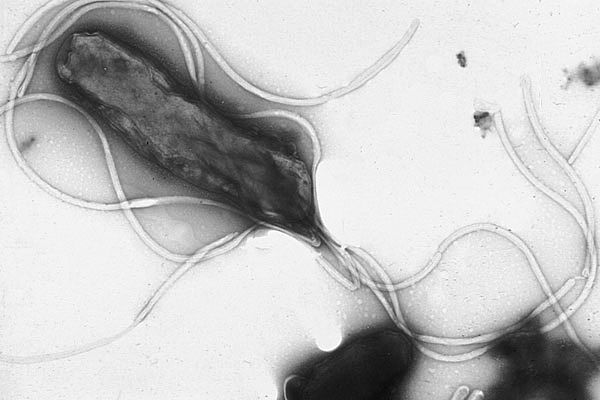
In addition to providing insights into Ötzi’s genetic makeup, modern scientists have also studied the presence of Helicobacter pylori (H. pylori), a bacterium that infects the stomach lining and is often associated with ulcers and gastrointestinal diseases. Remarkably, traces of H. pylori DNA were discovered in Ötzi’s stomach, marking one of the earliest known instances of this pathogen in human history. This bacterium, which still affects a significant portion of the global population today, has long been a subject of medical research due to its association with chronic stomach issues and its ability to survive in the acidic environment of the stomach. Ötzi’s infection provides a fascinating glimpse into the prevalence and impact of bacterial pathogens in the ancient world, offering researchers a rare opportunity to study the ancient origins of a disease that continues to challenge human health.
The presence of H. pylori in Ötzi’s stomach has sparked further questions about the relationship between early humans and microbial pathogens. It suggests that gastrointestinal diseases were not unique to modern times but existed for millennia before the advent of modern medicine. This discovery has important implications for understanding the evolutionary history of both humans and bacteria. Over time, H. pylori has evolved with its human hosts, likely contributing to the development of certain genetic adaptations. The strain found in Ötzi’s stomach is distinct from modern strains, providing valuable clues about the bacterium’s evolution and its spread across human populations in prehistoric times.
Ötzi’s H. pylori infection also raises interesting questions about the diet and lifestyle of prehistoric people. H. pylori is often transmitted through contaminated water or food, suggesting that Ötzi may have lived in conditions where sanitation was limited. This was likely the case for many early humans, whose lack of modern hygiene practices would have facilitated the spread of gastrointestinal diseases. The discovery of H. pylori in Ötzi’s stomach thus not only informs our understanding of his health but also offers a window into the microbial world of the past, highlighting the longstanding relationship between humans and pathogens.
The analysis of Ötzi’s stomach contents has provided scientists with a rare and direct look into the diet of a Copper Age man. Researchers were able to identify remnants of meat, plants, and grains, offering valuable insight into the balance of food sources in his daily life. The contents included traces of ibex, a wild goat native to the Alps, as well as red deer, indicating that Ötzi was a skilled hunter who relied on the meat of large game for sustenance. Also present were traces of cereal grains, such as ferns and other plant matter, suggesting that Ötzi supplemented his diet with plant-based foods, possibly gathered from the wild or even cultivated in early agricultural practices. This mix of animal and plant foods provides evidence of the diverse, adaptive diet that helped early humans thrive in challenging environments.

The precise composition of Ötzi’s stomach contents also reveals that he had eaten a substantial meal shortly before his death. The remains of his final meal indicate that Ötzi was not only resourceful in securing food but also actively engaged in his environment. The food was freshly ingested, as the meat and grains showed little sign of spoilage. Interestingly, the grains found in his stomach were partially digested, which indicates that Ötzi had eaten a hearty meal shortly before he met his end, likely preparing for the physical demands of the day. This discovery helps to piece together the circumstances surrounding his final hours, adding to the mystery of how his life ended in the Alpine wilderness.
Ötzi’s stomach contents also serve as a key to understanding the nutritional strategies of prehistoric humans. The mix of animal protein, plant matter, and grains shows an early understanding of balanced nutrition, which would have been crucial for surviving the harsh conditions of the Alps. His diet reflected both the dependence on hunting for protein and a growing reliance on plant-based food sources, marking a transition in human dietary habits. This blend of foraging, hunting, and possibly early forms of agriculture paints a picture of a community adapting to a complex and shifting environment, where food was not only a means of survival but also an indicator of broader cultural shifts. The analysis of his stomach contents, therefore, offers valuable insight into how ancient humans navigated the challenges of food acquisition and nutrition in an unpredictable world.
After Ötzi's death, his body underwent a unique form of preservation due to the freezing conditions of the Alpine environment. The icy temperatures quickly halted the natural process of decomposition, transforming his remains into a kind of time capsule. His body, along with his clothing and tools, was preserved in a state so well that it provided researchers with an unparalleled opportunity to study the decay process in cold climates. Normally, when a body decomposes, bacteria and microorganisms break down tissues, causing the soft tissues to disintegrate and the bones to become exposed. However, due to the freezing conditions, these biological processes were delayed, and Ötzi's body remained almost intact for millennia. This exceptional preservation allowed scientists to study not only the details of his life but also the specific conditions under which human remains can be preserved in ice.
The decomposition of Ötzi’s body revealed important details about the time and manner of his death. Examination of his skeletal structure and soft tissue allowed researchers to determine that his body had been rapidly frozen after his demise, a process that would have slowed bacterial and insect activity, which typically hasten decomposition. However, once exposed to warmer conditions during the discovery, his body began to decompose more quickly, making the analysis of his remains both a race against time and a testament to the quality of preservation afforded by the Alpine ice. The cold conditions also prevented the spread of bacteria typically found in warmer climates, which further preserved his internal tissues, allowing for detailed examination of his stomach contents, muscles, and skin.

The study of Ötzi’s decomposition also provided insights into how human remains can change over time when exposed to freezing conditions. His skin, for example, was still relatively soft and pliable, having been preserved by the freezing temperatures. Over the years, the ice shielded his body from typical post-mortem changes, such as the bloating or tissue liquefaction that occurs in warmer, more temperate conditions. The absence of these processes suggested that Ötzi’s body was maintained in a static, frozen state for thousands of years before being discovered, allowing for highly detailed preservation of soft tissues and muscles. However, the thawing process after his discovery led to rapid decomposition, which makes the analysis of his remains even more valuable. The decomposition pattern, when compared to modern cases, offers new insights into the effects of ice on the preservation of organic materials, giving researchers invaluable data on how other ancient remains might be preserved in cold environments. This unique window into Ötzi’s post-mortem preservation also highlights the remarkable intersection of archaeology, biology, and environmental science.
The cause of Ötzi’s death has long been the subject of intense debate and investigation. Forensic analysis suggests that he met a violent end, likely at the hands of an attacker. A key piece of evidence in determining his cause of death is a wound found on his left shoulder, where an arrowhead was embedded. This wound, along with signs of blood loss and trauma, points to the possibility that Ötzi was shot with an arrow just before his death. The position of the arrow wound suggests that it could have been inflicted from behind, hinting at a surprise attack. The presence of bruising on his hand and arm further suggests that he may have attempted to defend himself in a confrontation, though the exact nature of the conflict remains unknown. This violent injury, combined with his subsequent abandonment in the freezing Alpine terrain, paints a grim picture of Ötzi’s final moments.
In addition to the arrow wound, researchers discovered other physical signs that may have contributed to Ötzi’s demise. Examination of his skull revealed fractures that could have been caused by a blow to the head, perhaps from a blunt instrument or stone. These injuries suggest that Ötzi’s death might have been the result of a conflict with one or more individuals. The combination of sharp and blunt force trauma points to a possible ambush or altercation, common in early human societies where survival often depended on conflict resolution through violence or territorial defense. The forensic evidence thus strongly supports the theory that Ötzi was murdered, though the specific details surrounding his attackers remain a mystery.
While the cause of Ötzi’s death was likely violent, environmental factors also played a critical role in his demise. After sustaining his injuries, Ötzi’s body was left to freeze in the harsh mountain conditions, which would have contributed to his rapid preservation. If Ötzi had survived his wounds but been left without medical help, he likely succumbed to exposure and hypothermia shortly after the attack. The cold temperatures of the Alps, which preserved his body for millennia, would have made it difficult for him to recover from his injuries or maintain body heat, hastening his death. Thus, while the arrow wound may have been fatal on its own, the freezing conditions compounded his situation, ensuring that he never had a chance to recover. This duality of violence and environmental hardship highlights the precarious nature of life in the Copper Age, where survival was determined not only by physical strength and skill but also by the unpredictable forces of nature. Ötzi’s untimely death stands as a testament to the harsh realities of prehistoric life and the fragile intersection of human conflict and the elements.

Ötzi’s discovery and the subsequent scientific revelations about his life have solidified his place as one of the most important figures in the study of prehistoric Europe. His remains offer a direct link to the past, shedding light on the lives of Copper Age people, their technology, and the daily struggles they faced. However, Ötzi’s legacy has also sparked legal and ethical debates. His remains were discovered in a transboundary region between Italy and Austria, leading to a prolonged legal dispute between the two countries over ownership and the right to study him. Austria eventually gained possession of the body, and it is now housed in a state-of-the-art museum in Bolzano, Italy, where researchers continue to study the ancient man’s remains. The controversy over his remains highlights ongoing discussions about the repatriation of human remains and the importance of respecting the wishes of descendants and local communities.
Ötzi’s preserved body provides an unparalleled window into life during the Chalcolithic period, a time of profound cultural transformation in Europe. The tools, clothing, and genetic material found with him paint a picture of a society on the cusp of the Bronze Age, where early humans were mastering the use of metals like copper, advancing agricultural techniques, and developing complex social structures. Ötzi’s clothing and tools indicate a deep understanding of natural resources and survival strategies. His diet, which blended hunting and early agriculture, reveals how humans were adapting to new food sources. The presence of tattoos on his body hints at a society that practiced early forms of medicine or ritualistic practices. Together, these discoveries illuminate the daily realities of Chalcolithic Europe, a world in transition, caught between hunting traditions and emerging agricultural practices.
In the village of San Martino in Passiria, near where Ötzi was discovered, a monument now stands in honor of his legacy. The monument, a striking sculpture of Ötzi etched in bronze, serves as a reminder of the significance of his discovery and its impact on our understanding of prehistoric life. The site has become a pilgrimage for archaeologists, tourists, and those fascinated by ancient history. In addition to the monument, a museum dedicated to Ötzi and the history of his discovery has become a hub for research and education, allowing visitors to engage with the story of this ancient man. The continued study of Ötzi’s remains, coupled with the physical memorial at the discovery site, ensures that his legacy will endure, offering future generations a tangible connection to one of the most significant archaeological finds in human history. Through these efforts, Ötzi’s story transcends his death, continuing to inform our understanding of human evolution and the early history of Europe.


Comments