
Wonder Woman of the Week: Djamila Boupacha
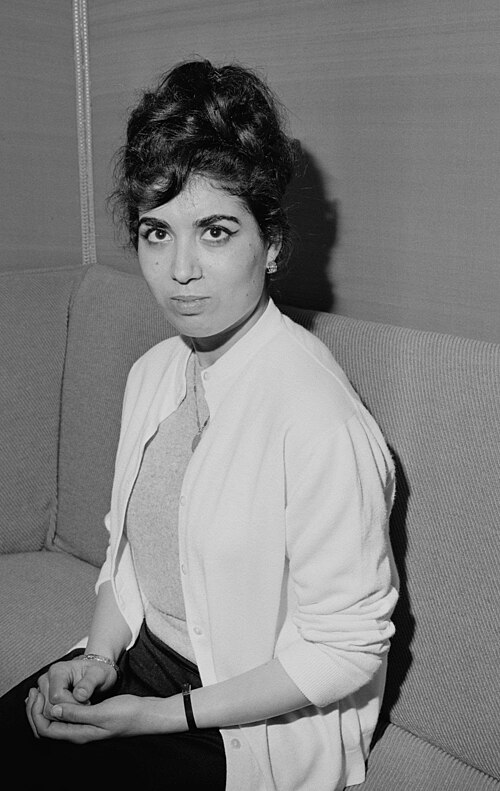
Born in 1938 in French-ruled Algeria, Djamila Boupacha joined the National Liberation Front as the war for independence intensified across Algiers. Like many young Algerians, she carried messages, sheltered fighters, and moved through crowded colonial streets under constant danger. Her work reflected a broader uprising against French rule, one fueled by decades of exclusion, seizures, and the suppression of Algerian identity and language.
In 1960, French intelligence arrested Boupacha and accused her of planting a bomb in Algiers. During months of imprisonment, she endured beatings, isolation, and torture intended to force a confession. Her survival shocked observers when lawyers, journalists, and intellectuals publicized her treatment. French authorities had insisted torture no longer existed within the military, yet her testimony exposed the brutality hidden beneath denials.
Boupacha’s trial became controversy, drawing attention from writers Simone de Beauvoir and artists such as Pablo Picasso. Their campaigns transformed her case into evidence of the moral costs of colonial warfare. After Algeria gained independence in 1962, Boupacha shifted from resistance work toward social rebuilding, helping educated women secure employment in schools, offices, and public institutions across the young nation.
Today, Djamila Boupacha remains a powerful symbol of Algerian independence and the endurance of those who resisted colonial rule. Her story stands at the intersection of anticolonial struggle, women’s history, and human rights activism. Across Algeria, her name continues to evoke sacrifice and resilience, reminding younger generations that the nation’s independence emerged not only from battles, but also from surviving silence, imprisonment, and fear.


Comments