
Thrace: River People of Bronze Age Bulgaria
- May 27, 2025
- 5 min read
They lived between mountains and rivers, in the shadowed forests and sunlit plains of what is now Bulgaria, Romania, and parts of Greece and Turkey. For over a thousand years, they were known but not understood—fierce warriors, skilled metalworkers, and makers of myths that danced on the edge of history and legend. They were the Thracians, a people without a written legacy of their own, but whose presence shaped the ancient world. Like the Mississippians of Cahokia, whose mounds rose high above the Mississippi River Valley, the Thracians built tumuli—burial mounds that still mark the land today, silent witnesses to a forgotten power.
The Thracians did not build cities of stone. Their homes were often made of wood and clay, their settlements nestled along rivers and on fortified hilltops. But their influence was anything but small. As early as the second millennium BCE, they were trading with Mycenaeans and later clashing and collaborating with Greeks, Persians, and Romans. Herodotus called them the second most numerous people after the Indians, yet they never unified under one ruler. Instead, they were a tapestry of tribes—Odrysians, Getae, Bessi—each with its own leaders, customs, and gods, bound loosely by a shared language and culture.
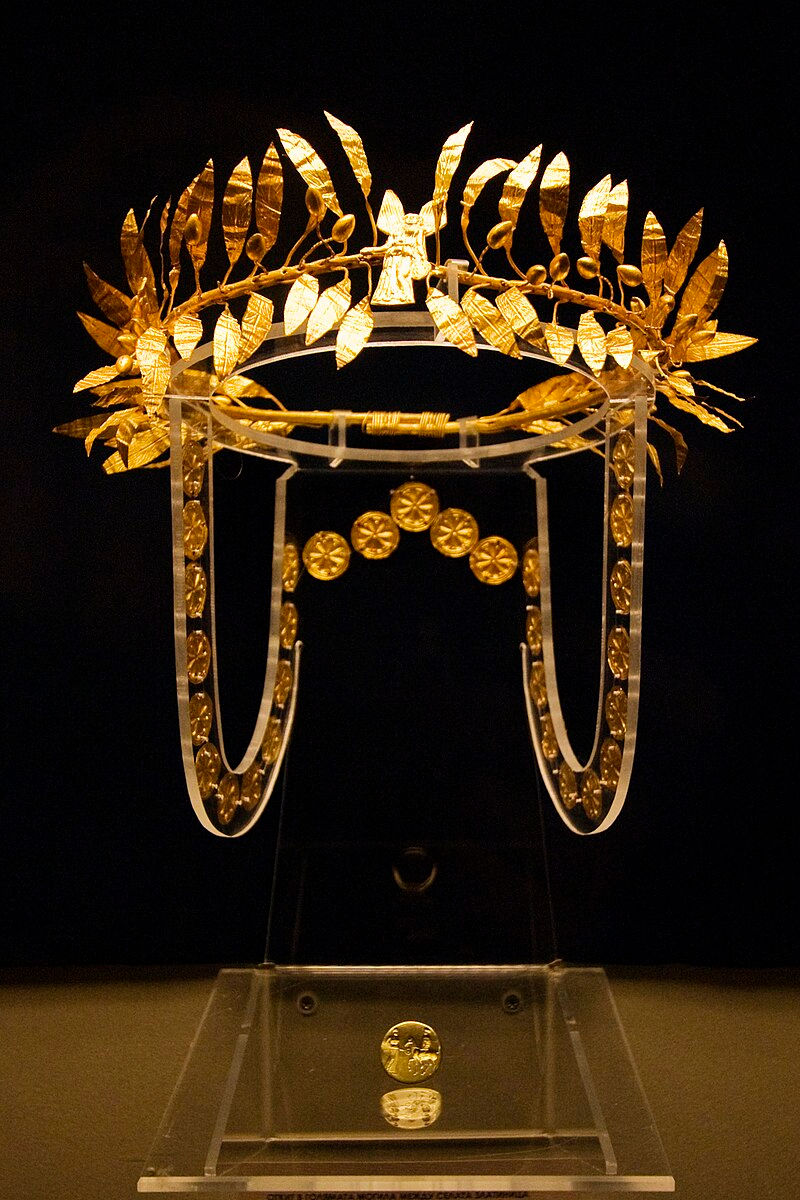
Their culture was rich, vibrant, and deeply spiritual. Thracian tombs, uncovered across the Balkans, reveal a world of symbolism and ceremony. Inside these burial chambers, archaeologists have found golden wreaths, ornate weapons, and murals depicting banquets, chariots, and journeys to the afterlife. Like the sacred mounds of Cahokia, Thracian tombs were more than graves—they were monuments to lineage, to memory, and to divine connection. These were people who believed in the continuity of life beyond death, and who honored their leaders with lavish rites that echoed across the centuries.
At the heart of Thracian belief stood a pantheon of powerful deities, many associated with nature, war, and the cycle of rebirth. Chief among them was a mysterious figure scholars call the Thracian Horseman—a divine rider, often depicted hunting or holding a torch, a symbol of protection and transition. Another was Zalmoxis, a god or prophet who taught that the soul was immortal and death merely a journey. The Greeks were fascinated by this belief, and some even saw in it the roots of their own philosophical ideas. Like the solar cults of Cahokia, Thracian religion revolved around transformation, fertility, and the unbreakable bond between the seen and the unseen world.
The Thracians were warriors, famed and feared across the classical world. Greek and Roman writers described them as bold and brave, lovers of music and battle alike. They fought with curved swords called rhomphaia, and their cavalry—swift and relentless—became legendary. Many Thracians were hired as mercenaries, serving in foreign armies from Athens to Persia. Even the gladiators of Rome bore their name: the “Thraex,” armed in a stylized version of Thracian gear, became a staple of the arena. Like Cahokia’s warrior-elite, the Thracians blended martial skill with social and spiritual status, making warfare a central part of their identity.
But Thrace was also a land of art and craftsmanship. Gold and silver treasures, such as those found in the Panagyurishte and Rogozen hoards, display a mastery of metalwork as refined as anything in Greece or Persia. Thracian artisans shaped ritual vessels, jewelry, and armor into forms that were both functional and profoundly symbolic. Animals—lions, stags, eagles—adorn their works, reflecting a worldview steeped in the wild and sacred. Much like the artisans of Cahokia who shaped shell, copper, and stone into sacred objects, the Thracians used their materials to tell stories, invoke spirits, and display power.

Despite their rich culture and strategic location, the Thracians never formed a lasting empire. The Odrysian Kingdom, the closest they came to unity, rose in the 5th century BCE and held influence for several generations. But internal divisions and external pressures—especially from Macedon and Rome—gradually wore them down. By the 1st century CE, much of Thrace had been absorbed into the Roman Empire. Their temples faded, their language disappeared, and their identity was gradually submerged beneath the currents of empire. Like Cahokia, the Thracians left behind no written records of their own—only mounds, treasures, and echoes.
Yet the Thracians are not forgotten. Their tumuli still rise from the Balkan hills. Their art gleams in museums. And their memory lingers in the DNA and folklore of the region. Scholars today piece together their story from fragments—Greek histories, Roman maps, and the rich soil of Thrace itself. The Thracians challenge us to see history differently—not just as a chronicle of cities and empires, but as a tapestry of cultures, each with its own rhythm, its own gods, its own sun. And though the voices of the Thracians have long gone quiet, the land they once called home still speaks.

"I am a woman of Thrace, born to the rhythm of drums and the whisper of wind through the mountains. Remember us not only for our warriors and gold, but for the spirit that burned within us. We were dancers, healers, riders of horses, and singers of old songs. We honored the earth, the ancestors, and the gods who walked beside us. Let it be known: we were fierce, but also wise; wild, but deeply rooted. When you see our burial mounds and treasures, remember the lives behind them—my people, proud and free, who lived with fire in their hearts."
"I am a man of Thrace, born of the mountains and the open plains. Remember us not as shadows in the tales of Greeks and Romans, but as a people of strength, honor, and spirit. We rode with the wind, fought with courage, and drank deeply of life. Our swords were sharp, but so were our minds—crafting beauty in gold and wisdom in song. We lived close to the earth, spoke to the gods, and honored our dead with fire and stone. Let the world know: the Thracians were not forgotten—we lived with pride, and our legacy still echoes in the land."
"I am Spartacus, son of Thrace, born of wild hills and proud warriors. Remember me not just as a gladiator or rebel, but as a man who rose for freedom when chains were all we knew. My people were fierce, loyal, and untamed. We sang to the sky, honored the spirits, and fought not for glory, but for our children’s future. I led slaves, not for conquest, but to remind Rome we were men, not property. Let my name stand for resistance. Let my people be remembered as more than warriors—as a nation that lived free in heart, if not in empire."


Comments