
They Couldn't Mash Ants
- 1 day ago
- 2 min read
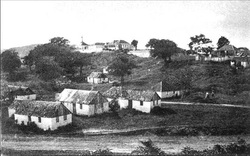
For centuries, sugar shaped the landscapes, economies, and societies of Antigua and Barbuda. Beginning in the colonial era, European plantation owners established sugar estates across the islands, relying heavily on enslaved Africans whose forced labor made the cultivation and processing of sugar possible. Across the Caribbean, slavery created a brutal plantation system in which enslaved people endured exhausting work, harsh discipline, and inhumane living conditions. Sugar became one of the region's most valuable exports, but its wealth was built upon the suffering and exploitation of generations of African people.
Emancipation transformed Caribbean society, but it also exposed weaknesses in an economic system designed around enslaved labor. When slavery was abolished in the British Caribbean in 1834, with full emancipation following in 1838, former plantation workers gained their freedom and increasingly sought alternatives to plantation labor. Sugar production continued in Antigua, but plantation owners faced higher labor costs and changing economic conditions. Some formerly enslaved people left estates or negotiated for better conditions, making the old plantation system increasingly difficult to maintain. Across the Caribbean, emancipation therefore contributed to the gradual decline of sugar's dominance, even as the crop remained economically important.
The twentieth century brought an even steeper decline. Falling sugar prices, competition from other sugar-producing regions, rising production costs, changing global markets, and the expansion of more profitable industries weakened Caribbean sugar economies. Antigua and Barbuda was no exception. Plantations and processing facilities that had once stood at the center of island life increasingly became unprofitable, and several sugar works were eventually abandoned. Machinery fell silent, fields returned to other uses, and the physical remnants of the industry became reminders of a vanished era. Today, the ruins of former sugar estates offer a glimpse into Antigua and Barbuda's complicated past—a history shaped by slavery, emancipation, economic transformation, and the eventual disappearance of an industry that once dominated the islands.


Comments