
The Women of Seychellois Music

In the far reaches of the Indian Ocean, where the water is as clear as glass and the mountains rise from the sea like emerald spires, lies the archipelago known as the Seychelles. This is a place of beauty unmatched on any map, where the rhythm of life moves to the beat of drum and guitar, where the breeze carries stories told in song, and where music is as natural as the tides. Music in the Seychelles is not just something that plays during celebrations or festivals. It is woven into the very fabric of daily life. It rises in the early morning with the calls of seabirds, it pulses through the streets during market day, and it drifts into the night when families gather beneath palms to share food, and songs passed down from generation to generation. At the heart of this island music are the women whose voices and talents have shaped what we hear today. This is the story of those women, their rhythms, struggles, their triumphs, and the sound of their islands.

The Seychelles are made up of more than one hundred islands scattered across the Indian Ocean. Here, people speak Creole, a language born of many cultures blending together: African, European, Asian, and Indigenous voices that found their way across seas long ago. In that same blending of cultures, music took shape. It became a mirror of the islands themselves: diverse, and alive. Long before the Seychelles were called a republic, long before radios and recording studios arrived, music was already part of island life. People made songs to remember stories, to recount daily life, to honor ancestors, and to celebrate the land and sea that surrounded them. Two of the most important musical forms in the Seychelles are sega and moutya. Sega is a lively music and dance style with roots that go deep into history. Its rhythms carry hints of Africa and Europe, and the songs are usually sung in Creole. When Sega plays, feet tap, hips sway, and it seems as though the land itself is dancing.
Moutya is another traditional style, older and slower, born of ancient gatherings where communities danced around fires and sang songs that told of hardships, hopes, and life’s everyday challenges. Like Sega, Moutya expresses the history and identity of the islands’ people, but its rhythm comes from a single drum made of goatskin, and the movement of the dance mirrors the beat of the drum.
The Seychelles is not just a single island but a scattered archipelago of more than one hundred islands, each with its own character, story, and heartbeat. The main islands Mahé, Praslin, and La Digue are where most of the population lives, but the smaller, outer islands carry their own secrets, rhythms, and songs. Music in the Seychelles is inseparable from the islands themselves. The mountains, forests, beaches, and coral reefs all shape the sound, pace, and story of the music that rises from each shore.
Mahé, the largest island, is home to towering granite peaks and dense forests. It is also the center of the capital, Victoria, where life is vibrant and bustling. Here, the rhythm of the streets, market calls, bicycle bells, the chatter of children, feeds directly into the music of the people. Women walking along the roads, carrying baskets of fruit or fish, often hum tunes that echo the sounds of the city and the natural environment. The blend of urban life and lush wilderness creates a musical tapestry that reflects both the daily routines and the grandeur of the island.

Praslin, slightly smaller but equally stunning, is known for its pristine beaches, mangrove swamps, and the famous Vallée de Mai, a UNESCO World Heritage site. Music on Praslin often captures the slower pace of life and the intimacy of smaller communities. Women here sing songs about family life, harvests, and the sea, each lyric carrying layers of meaning tied to the natural rhythms of the island. The forests and valleys provide spaces for informal gatherings, where music flows freely, echoing through palms and over limestone cliffs. The island’s relative quiet allows for the development of intricate rhythms and melodies, shaped by listening as much as performing.
La Digue is smaller still, with a population that depends heavily on fishing, tourism, and small-scale agriculture. Life on La Digue is intimately connected to the land and sea, and this is reflected in the music. Sega and Moutya songs often tell stories of waves, storms, and fishing trips. Women here are not just performers, they are narrators of survival, weaving lessons learned from the sea and the forest into their music. Their voices carry warnings, guidance, and wisdom for younger generations. Even a casual stroll along La Digue’s narrow streets can become a lesson in rhythm, as women sing while preparing meals, caring for children, or gathering fruit.
Beyond these main islands, the smaller outer islands have their own rhythms and song traditions. Some of these islands are inhabited only seasonally, and the songs often reflect the cycles of migration, fishing, and harvesting. Women who live on these islands develop unique styles influenced by isolation, community size, and natural surroundings. A song from a remote island might have fewer instruments, relying more on voice and body percussion, but it is no less powerful. It carries the story of the island, its beauty, its solitude, and the resilience of its people.
Music also serves as a bridge between islands. For centuries, Seychellois have traveled between islands for trade, work, or family connections. Along with goods, they have carried songs, dances, and rhythms. A Sega rhythm learned in Mahé might reach Praslin or La Digue and evolve into something slightly different, adapted to local instruments, voices, and dance styles. Moutya, with its slow, hypnotic drumbeat, may travel to outer islands and merge with local folklore, creating hybrid styles unique to each community. Women often act as the primary carriers of these songs, passing them on in homes, at markets, or during informal gatherings, ensuring that the islands’ musical traditions are both preserved and enriched.
The daily lives of musicians across these islands also shape the music in subtle ways. On Mahé, a woman practicing the guitar might balance her lessons with work at the market or in a school, her fingers moving as much in rhythm with her chores as with her instrument. On Praslin, a young girl learning to sing may do so while helping her mother gather coconuts or prepare food for a family gathering, turning labor into melody. On La Digue, a drummer might practice on a makeshift drum made from barrels or old containers, learning to adapt rhythm to the limitations of her surroundings. These daily interactions between life and music give Seychellois songs their authenticity, as they emerge directly from lived experience rather than a studio or stage.

Environmental awareness is also central to these songs. The Seychelles’ fragile ecosystems, from coral reefs to mangroves, often appear in music. Women sing of sea turtles returning to the beaches to lay eggs, the songs serving both as celebration and reminder of responsibility. A song about a fisherman’s morning might describe the shimmering shoals of fish, subtly teaching younger listeners about local species and safe fishing practices. Music becomes a living record of ecological knowledge, with women as the storytellers who transmit not only culture but environmental wisdom.
Seasonal festivals further cement the connection between the islands and their songs. During national celebrations, Creole festivals, or harvest gatherings, women lead musical processions that showcase the diversity of the archipelago. Instruments are chosen to match the environment: the ravanne drum echoes over open beaches, the guitar or violin adds melody in forest clearings, and the maravanne rattle brings energy to dance performances in village squares. Each performance is adapted to the space, weather, and audience, highlighting the connection between the physical landscape and musical expression.
Music also reflects the social life of the islands. Many songs celebrate family bonds, friendships, and community solidarity. Women often perform songs at weddings, births, or religious ceremonies, marking milestones in the lives of islanders. Through these performances, music shapes identity, teaching children about respect, cooperation, and the importance of heritage. A song performed at a market or festival is more than entertainment; it is an affirmation of shared values and a recognition of the contributions of women to island life.
The songs of the islands also carry a sense of identity and belonging. To grow up hearing Moutya around a fire, Sega in a village square, or contemporary Creole music on the radio is to grow up understanding who you are and where you come from. For young girls in particular, seeing women perform, teach, and innovate provides a powerful example: the islands’ music is not only part of history, it is a living, breathing part of their lives and futures.

In this way, the Seychelles’ islands and their songs are inseparable. The land, the sea, the people, and the music exist in constant dialogue, each shaping the other. Mountains inspire melody, waves inspire rhythm, and the voices of women carry both across islands and into hearts. The story of the Seychelles cannot be told without music, and the story of its music cannot be told without the women who give it life.

These musical traditions were shaped long before music was sold in shops or played on radios. They were created by people who danced under stars, whose lives were tied to the sea, and whose spirits found expression through rhythm and voice.Against this rich musical backdrop, women in the Seychelles began to rise as performers, songwriters, and keepers of tradition.
In many cultures around the world, music was once dominated by men. This was true in the Seychelles as well, where bands were often led by male musicians, and the most celebrated performers were often men. But slowly, changes began to take place. Women found their voices, they learned instruments, they stepped onto stages, and they carried the heartbeat of the islands with them. One of the first major moments in this story happened during a festival called the Festival Kreol, a celebration dedicated to the language and culture of the Seychelles. At a particular Festival Kreol, a woman named Joennise Juliette saw an opportunity to do something bold.
She envisioned a band made entirely of women, musicians who would play instruments and sing together, not just for a moment, but as a statement that women in the Seychelles had as much musical talent and fire as anyone else. Joennise was already known in the music world. She had earned the nickname “Larenn Sega”, which means Sega Queen, because of the way she embodied the rhythm and movement of Sega music. Her reputation had spread across the islands and even into other parts of the Indian Ocean. She had been performing for years, writing songs and inspiring others.
The band that Joennise formed was called Fanm Dan Zil, which means Women of the Island in Creole. The idea was as powerful as the name: a group of women, playing instruments like drums, guitar, violin, keyboard, and singing together in harmony. No one had ever put together such a band in the Seychelles before. The preparations were long and full of challenges. Joennise reached out to women she knew could play instruments, women with voices full of promise, and even some young musicians who were just beginning their journey. In a few short months, the band grew to include eight musicians and two vocalists, all women, each bringing her song, her strength, and her presence to the group.

Among these women was Sandra Esparon, a singer whose voice had already begun to echo beyond the islands. Sandra had first become known as a part of a band called Dezil’, and her voice was part of a hit song that became beloved by many. Over time, she built a solo career marked by albums and awards, becoming one of the most recognized Seychellois musicians of her generation. But Sandra’s talents were not just limited to singing. In Fanm Dan Zil, she played the drums, a role not often associated with female musicians at the time. Her presence behind the drum set was a powerful symbol, rhythm carried not just by sound, but by possibility.
The band also included other skilled musicians like Vanessa Lucas, who joined Sandra on the drums, Florette Botsoie, and other women whose talents on guitar, violin, and keyboard brought richness to the group’s music. Fanm Dan Zil performed music that blended the traditional rhythms of Sega with contemporary styles, and their performances were more than entertainment. They were celebrations of culture, identity, and the belief that music could break barriers.
When Fanm Dan Zil first appeared on stage at the Festival Kreol, many people in the crowd were astonished. They heard instruments played by women with strength and precision. They saw voices raised with confidence and beauty. It was a moment that did not go unnoticed. The band not only performed locally, their music also traveled across the Indian Ocean. They journeyed to nearby islands like Rodrigues to share Seychellois music and culture, bringing with them not just songs but the message that women belonged on every stage, on every instrument, and at the heart of the islands’ musical heart.
Behind the scenes, managers and directors worked to support the band, helping with logistics and promotion, and encouraging the women to build their fan base and bring their music to multiple communities. Their presence inspired other projects too. Albums were released featuring many female artists performing a mix of Sega, dancehall, reggae, and R&B, highlighting the breadth of talent among Seychellois women. These albums included tracks from a wide range of female voices, each one adding a distinct color to the vibrant musical landscape of the islands.
As women musicians gained visibility, recognition followed. Artists like Sandra Esparon became award winners at national and regional ceremonies. Sandra herself won Best Female Artist at the Seychelles Airtel Music Awards, and her music was recognized beyond the islands, marking her as a figure of musical excellence in the Indian Ocean region. Another young artist, Angie Arnephy, stepped into the musical world with a fresh voice and a growing reputation. After releasing her debut single that quickly gained popularity, she was named Best New Artist at the Seychelles Airtel Music Awards and was later recognized internationally at ceremonies celebrating music from island nations. These awards were more than trophies, they were signs of progress, evidence that music from the Seychelles could stand proudly beside musical traditions from larger nations and that women from small islands could earn respect on big stages.

But the influence of these women extends beyond awards and stages. Music in the Seychelles has always been a way of telling stories. Not just about love and joy, but about community, heritage, and identity. Sega songs speak of everyday life, of the sea that shapes so much of island living, and of the experiences that bind families and neighbors together. Moutya songs, too, carry deep meaning. The rhythmic drum beat and the echoing voices that once filled gatherings around bonfires are reminders of a history passed down through movement and sound. Through their music, female artists help keep these traditions alive while also creating something new, a blend of old and new that resonates with young listeners and inspires the next generation of musicians.
After the formation of Fanm Dan Zil and the initial recognition of female musicians, the music scene in Seychelles began to shift in subtle but important ways. To understand this, one must look at how music intersects with daily life, cultural identity, and personal experience. Women in Seychelles often learn music informally, long before ever stepping onto a stage. They grow up in households where songs are part of work, play, and celebration. A mother might sing a Moutya rhythm while washing clothes by the sea, a grandmother might hum a Sega tune while preparing meals, and children, drawn by the sounds, begin to imitate the movements and melodies they hear. This organic learning is a crucial part of how the tradition survives, because music is not separate from life.
Fanm Dan Zil and other female performers became symbols of a new wave of musical agency. They proved that music was not only an inherited practice but also a conscious craft that women could shape, innovate, and present professionally. Preparing for a festival performance was more than memorizing notes and lyrics, it involved understanding audience dynamics, stage presence, and cultural expectations. Young musicians learned quickly that their choices on stage like how they stood, how they struck the drum, how their fingers moved across guitar strings, carried meaning beyond the music. A confident stance signaled pride, while subtle shifts in rhythm could indicate emotional depth. In this way, every concert became a kind of storytelling, a blend of technical skill, cultural symbolism, and emotional expression.
Instrumentation in the Seychelles also offers insight into the rich layering of musical heritage. Sega bands traditionally include instruments like the ravanne, a large circular drum, the maravanne, a type of rattle made from seed pods, and guitars. Each instrument contributes uniquely to the music. The ravanne’s deep, vibrating tone forms the backbone of both Sega and Moutya rhythms, while the maravanne adds texture and accent, creating a layered percussive landscape. Guitar strings provide melody and harmony, often accompanying vocal lines or improvisations. In the context of Fanm Dan Zil, these instruments were played entirely by women, an innovation that challenged previous gender expectations in the musical scene.

Learning these instruments was rarely easy. Many of the young women in Fanm Dan Zil had to balance musical practice with daily responsibilities whether it was school, work, or family duties. Drums, for instance, require both strength and endurance. Learning complex rhythms while keeping the fluidity of the dance movement required disciplined practice. Guitars and violins required precision and coordination. And all the while, singers had to ensure their voices could project over the instruments without strain, particularly in open-air festivals where wind, humidity, and distance could interfere with sound. Yet these challenges became sources of empowerment. Every rehearsal and performance reinforced the capability of women to master both art and tradition.

Fanm Dan Zil’s performances were not just displays of technical ability; they were also cultural education. Many young audiences, both local and visiting, were unfamiliar with the depth and nuance of traditional rhythms. While Sega might seem simple at first glance, lively steps and tapping feet, the music contains layers of call-and-response phrasing, improvisation, and timing subtleties that communicate meaning. Moutya, slower and more meditative, carries the history of the islands’ communities: hardship, resilience, and celebration of life’s cycles. In performing these songs, women passed on oral history through music, ensuring that each performance served as both entertainment and heritage preservation.
The impact of these performances extended beyond the festivals themselves. Recordings of Fanm Dan Zil were circulated on local radio, and their albums reached younger listeners who might never attend a live performance. Music became a bridge between generations. Teenagers learning guitar in their bedrooms could hear the subtle techniques of seasoned musicians and practice alongside recordings, gradually developing their own interpretation of traditional rhythms. Women who had been inspired to pick up instruments in childhood could now see a visible pathway to professional artistry.
Another critical aspect of the musical landscape is songwriting and composition. Female musicians in the Seychelles do more than perform, they create. Composing a Sega or Moutya song requires understanding rhythm, harmony, lyrical storytelling, and the emotional resonance of music. Many songs address universal themes: family, daily labor, and loss. Others reflect contemporary issues, like environmental changes, migration, and social challenges. Through this creative process, women assert a voice in shaping cultural dialogue, offering perspectives that might otherwise be overlooked.
The blending of traditional and contemporary styles has been particularly powerful. While maintaining the core rhythms of Sega and Moutya, musicians like Sandra Esparon incorporated elements of R&B, reggae, and global pop music. This fusion attracts younger audiences and demonstrates the adaptability of Seychellois music. It sends a message that culture is not frozen; it is living, responsive, and evolving, shaped both by history and by modern experiences.

One of the most fascinating aspects of this evolution is the interaction between music and the natural environment. Seychelles’ islands are geographically diverse: rocky mountains, pristine beaches, dense forests. These landscapes influence how music is performed. Outdoor performances, for example, must account for wind, echo, and natural acoustics. Some musicians describe how performing near the ocean allows the waves’ rhythm to synchronize subtly with the drumbeat, creating a harmony between human-made and natural sounds. Music is not performed in isolation; it exists in dialogue with the land and sea.
Women musicians also contribute to broader conversations about identity and representation. In a society where global media can sometimes dominate local culture, the preservation of Creole music through performance, recording, and teaching ensures that young Seychellois people understand their heritage. Female performers, by achieving visibility and acclaim, challenge stereotypes about gender roles and the limits of small island culture. They show that excellence, creativity, and leadership are not bound by geography or gender.
The social impact of women in Seychelles music extends into education and mentorship. Experienced musicians often work with younger performers, offering guidance in both technical skill and the professional aspects of music. Lessons may cover stagecraft, sound projection, instrumentation, and rhythm improvisation. These mentorship networks create continuity and ensure that traditional knowledge is passed down, while also empowering new voices to innovate.
In many ways, the story of these women mirrors the broader cultural evolution of the Seychelles itself. From oral traditions to radio, from communal gatherings to global tours, women musicians carry both the past and the future in their performances. They honor the ancestors who created the music, while also adapting to the contemporary world, ensuring that the islands’ rich heritage continues to resonate locally and internationally.
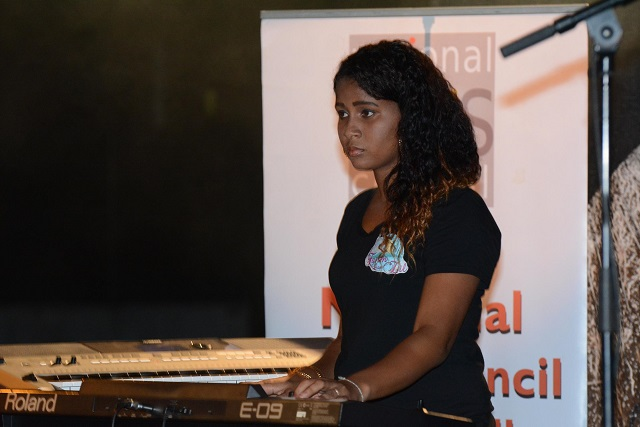
Of course, the journey was not always easy. Music can be hard, competitive, and demanding. There were moments when women struggled to be heard in a scene where male bands had long been the norm. There were times when audiences were unsure how to respond to all‑female performances. But each time music played and each time audiences listened, the women proved that their talents could not be ignored. Support from male colleagues, festival organizers, and community members also made a difference. When musicians from male bands backed up female artists or encouraged them during practice and performance, it showed that music could be a place of collaboration, not competition.
Today, the music of the Seychelles continues to evolve. Women and men alike experiment with fusion genres, mixing Sega with reggae, R&B, and other global sounds. Young artists remind listeners that the islands’ music is not frozen in time but alive and expanding. For girls growing up in the Seychelles, the example of those who came before , women who picked up instruments, who formed bands, who stepped onto stages confidently, offers an invitation to dream. Maybe they will play guitar, maybe drums, maybe they will write songs that tell new stories. The music that once began around fires and village gatherings now flows through radio waves and streaming playlists, carrying the voices of island women to listeners around the world.
In the end, the story of women in Seychellois music is a story of rhythm, not just the beat of drums, but the rhythm of life that courses through every island stream, every shore, and every song. These women remind us that music is more than sound, it is expression, connection, and identity. As the waves lap against the granite shores of Mahé, Praslin, La Digue, and the outer islands, the music of the Seychelles carries on. And in that music, you can hear the voices of women, strong, proud, and full of music.


Comments