
The Hunt for History's Amazons: The Scythians
- May 27, 2025
- 4 min read
The Scythians were a nomadic people who dominated the Eurasian steppes from around the 9th century BCE to the 1st century CE. Renowned for their horseback riding skills and warrior culture, they inhabited a vast region stretching from the Black Sea to Central Asia. Greek historians like Herodotus wrote extensively about them, portraying them as fierce and exotic barbarians. Among the most enduring legends associated with the Scythians is their supposed connection to the mythical Amazons—female warriors described in Greek mythology as living on the fringes of the known world, often near Scythian territory.
For centuries, the association between the Scythians and the Amazons was largely based on literary accounts. Herodotus claimed that the Amazons joined with the Scythians to form a new people, the Sarmatians, whose women fought alongside men. This narrative was reinforced by archaeological discoveries in Scythian burial sites, where the remains of women buried with weapons and signs of battle injuries were found. These findings seemed to support the idea that women could have held prominent warrior roles in Scythian society, lending credence to the Amazon myth as having a real-world counterpart among the nomadic steppe cultures.
However, modern historians and archaeologists are increasingly questioning the simplicity of this connection. While the presence of armed women in Scythian graves is undisputed, scholars argue that equating these women directly with the mythical Amazons may be a case of cultural projection by the Greeks. New interpretations suggest a more complex social structure, where women may have had military roles without forming an all-female warrior class. Furthermore, modern historians are scrutinizing the mythologizing tendencies of Greek writers—who often exoticized non-Greek peoples. Rather than confirming the existence of Amazons, current scholarship emphasizes understanding Scythian society on its own terms, free from the lens of Greek myth.
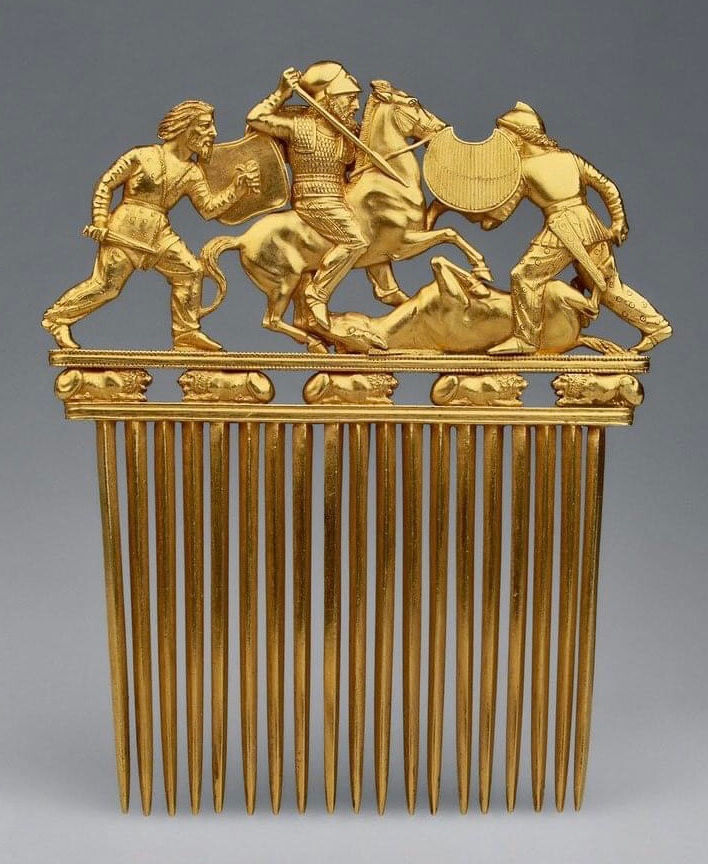
The daily lives of Scythian men, women, and children were shaped by their nomadic lifestyle and the vast steppe environment they inhabited. Scythians lived in portable felt tents called yurts, moving seasonally to graze their herds of horses, sheep, and cattle. Men and women alike were skilled horseback riders, a necessity in a society that relied heavily on mobility. Families traveled together in wagons, and children were raised in this mobile environment, learning to ride and shoot from a young age. Community ties were strong within tribes, and daily life centered around cooperation in tasks like herding, hunting, and managing camp life.
Economically, the Scythians depended on pastoralism and trade. They produced wool, leather, and dairy products, and they traded extensively with neighboring cultures, including the Greeks, for luxury goods like wine, metalwork, and fine textiles. Craftsmanship was a key part of Scythian life; they were known for intricate gold jewelry and weaponry. Men often engaged in raiding or warfare, but not as a constant occupation—conflict arose mainly over territory, trade routes, or tribal disputes. In peaceful times, social gatherings played a major role in bonding communities, with feasting, storytelling, and religious ceremonies forming the backbone of Scythian social life.
Women in Scythian society had more active roles than in many ancient cultures. They not only managed domestic life but also participated in riding, hunting, and, occasionally, warfare. Archaeological evidence shows women buried with weapons and horse gear, suggesting their respected status. Children were raised to inherit these responsibilities early, learning essential survival and combat skills. Despite their reputation as fierce warriors, the Scythians spent much of their time in family life, managing livestock, and participating in vibrant cultural practices that reflected a balanced and dynamic nomadic existence.
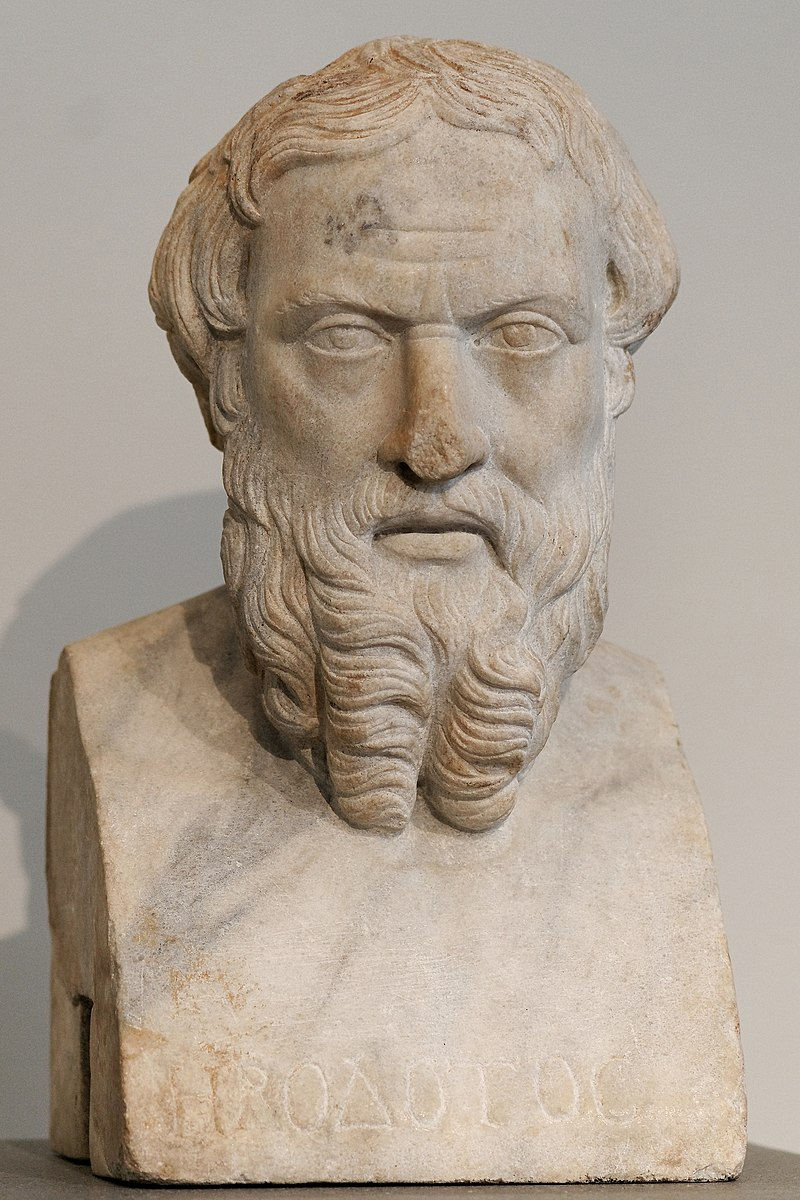
The myth of the Amazons originates in ancient Greek literature, where they were described as a race of fierce, all-female warriors who lived on the fringes of the known world. First mentioned in Homer’s Iliad, they were later expanded upon by authors like Herodotus and Strabo. The Amazons were often portrayed as both admirable and threatening—strong women who rejected traditional female roles, lived without men, and went to war like their male counterparts. They symbolized a reversal of typical Greek gender norms and were frequently used in myths to highlight the superiority of male heroes like Theseus and Achilles, who defeated them in battle.
In modern historiography, scholars have revisited the Amazon myths through the lens of archaeological evidence found in the Eurasian steppes. Burial sites of Scythian and Sarmatian women have revealed skeletons interred with weapons and signs of battle trauma, suggesting that women did, in fact, participate in warfare. This has led to the theory that Greek stories of Amazons may have been inspired by encounters with these nomadic peoples. However, contemporary historians caution against equating myth with history too directly, suggesting that the Greek Amazon narrative may reflect cultural anxieties rather than a literal description of Scythian life.
Greek accounts of the Amazons predate their documented interactions with the Scythians, indicating that the myth likely originated from within Greek cultural and ideological frameworks rather than direct observation. The Amazons appear in Homer’s Iliad, composed around the 8th century BCE—before significant contact with steppe nomads like the Scythians. These early depictions reflect Greek anxieties about gender roles and the “other,” using the Amazon figure as a symbolic inversion of the ideal Greek woman. Rather than stemming from real encounters, these myths likely evolved from Near Eastern influences and internal Greek storytelling traditions, serving as a narrative device to explore themes of civilization versus barbarism and male dominance over female autonomy.
Despite their mythic roots, later contact with steppe nomads gave new context to Amazon legends. When Greeks encountered Scythian women who rode horses and bore arms, they may have retroactively applied the Amazon label, reinforcing existing myths. Today, the Scythians are remembered both as historical warriors and as possible inspirations for the Amazon legend. Their legacy lives on in modern archaeology and popular culture, where they challenge traditional views of ancient gender roles. The blending of myth and history in their story continues to reshape our understanding of ancient societies and cultural interaction.



Comments