
Native Nightlife of the Seychelles, The Seychelles Fruit Bat

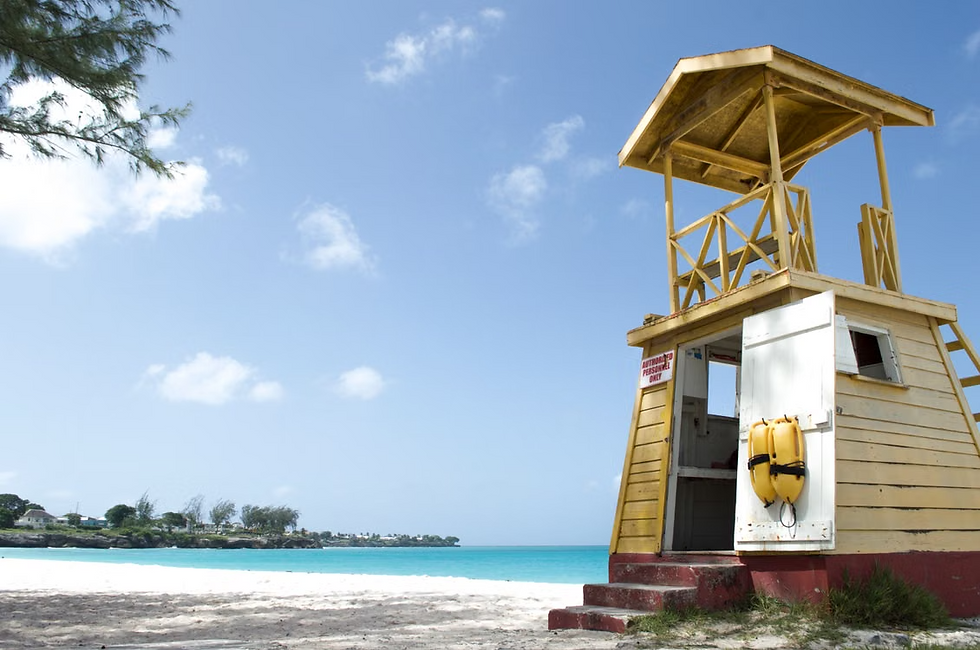
Tourists visiting the Seychelles may be captivated by the turquoise shallows, the white sand beaches, and the sway of palms in these tropics. But there’s probably no information in their guide booklets about the most unforgettable experience that they will remember their stay in the Seychelles by. They stay out on Mahé Beach as the sun sets and look up as the sky begins to move and a jungle night life comes alive.
It's the Seychelles fruit bats that fly overhead, with large wings stretching nearly a meter. Rousettes, as locals call them. Watching them rise into the evening is one of Seychelle's least advertised natural spectacles. They are the only native mammals to the Seychelles.
Known scientifically as Pteropus Seychellensis, they roost in colonies across Mahé, Praslin, La Digue, Silhouette, and smaller granitic islands, clinging to cliffs or gathering in tall Indian almond trees. Their calls are chatters that echo at night through the canopy. As nocturnal mammals they come out at night feeding on figs, takamaka fruits, and the nectar of native night-blooming flowers such as Bwa Sitron, Doudou, Koko, and Zoli. They are essential night-pollinators for the islands, dispersing seeds and visiting flora that only blooms at night. Some travel between the Seychelle islands, responsible for spreading palm forests, mangroves, and fruit seeds. On small islands they contribute greatly to biodiversity.
In Creole folklore, Rousettes are symbols of the night and also ingredients in traditional dishes. Locals complain of mangoes and breadfruit being eaten by hungry bats, they can be pests to some, but good farmers know these bats are just as crucial as bees. They have a balance between culture, tradition, and ecological necessity. They are known to be hunted for meat despite conservationists from groups like Nature Seychelles, the Island Conservation Society, and the Seychelles Islands Foundation. The future of the species relies on the strong maternal nature of the female bats, who will mother one pup at a time each year; an extremely slow reproduction rate. Protecting them is a way of protecting the forests, the islands, and the balanced ecosystems of the Seychelles.


Comments