
Lives of Swahili Speakers
Swahili, or Kiswahili if you’re being impressively local, is a language that hums with the rhythm of coastal breezes and the clink of tea cups on sun-drenched verandas. It’s what you speak when you're bartering for mangoes, dodging matatus, or trying not to offend someone’s grandmother. Rooted in Bantu but seasoned with Arabic, Persian, and the odd colonial leftovers, Swahili is less a language and more a survival strategy in East Africa. You don’t learn Swahili so much as you absorb it—like heat, or humility. “Pole pole” means “slowly slowly,” which is also how things get done, if at all. And “hakuna matata”? Yes, it’s real. No, it doesn’t mean your problems are solved. It just means no one’s currently bothering to acknowledge them. Swahili is charming, slippery, endlessly forgiving—and if it doesn’t change the way you see the world, you probably need another safari.
Swahili didn’t just happen—it simmered. Picture a thousand years of trade winds blowing dhows across the Indian Ocean, laden with spices, sass, and sailors who couldn’t pronounce each other’s names. The Swahili Coast—stretching from Somalia to Mozambique—became a linguistic stewpot where Bantu met Arabic, added some Persian, Portuguese, German, and a dash of English for good (or confusing) measure. The result? A language that says, “Karibu sana,” even as it quietly robs you of your grammatical dignity. The Arabs brought Islam and their poetic lilt; the Bantu locals brought structure and soul. Then the Europeans stomped in and tried to make everything orderly. Swahili, in response, just shrugged and kept evolving. By the time colonial administrators realized everyone was speaking it—from Zanzibar to the Congo—it was too late. Swahili had gone rogue, become a lingua franca, and made itself indispensable. History didn’t forge Swahili. It just clung on for the ride.
Swahili gets around. What started as a coastal tongue for fishermen and spice traders is now the social glue of East Africa—spoken from the white-sand beaches of Zanzibar to the banana-laden hills of Uganda, and as far west as the Congolese rainforest where nobody really expected it to show up, yet somehow, it did. It’s the language of “let’s figure this out together,” spoken in taxis, markets, parliament halls, and football matches. Kenya and Tanzania made it official, turning Swahili into the language of education, bureaucracy, and awkward national anthems. In Rwanda, Burundi, and even South Sudan, it's the charming guest who wasn’t on the invite list but showed up anyway, offering a cold beer and a proverb. It stretches across borders not because anyone forced it, but because it works—efficient, musical, and adaptable. Swahili didn’t conquer geography. It seduced it, pole pole, one conversation at a time.

Swahili, like a lot of things along the East African coast, found religion the old-fashioned way—by boat. Arab traders brought Islam, and with it, not just faith but an avalanche of Arabic words that Swahili still wears like a borrowed kaftan. You pray in Arabic, but you talk about it in Swahili—whether you're discussing the virtues of Ramadan or why your cousin’s suddenly very holy around Eid. Mosques rose along the coast, and so did madrassas, where kids recite Qur’anic verses by day and swap Swahili jokes by night. The language absorbed Islamic culture like sponge cake absorbs tea: thoroughly and sweetly. Yet Swahili never became strictly religious—it remained secular enough for everyday life but spiritual enough to carry blessings, prayers, and the occasional well-placed Inshallah. In short, Swahili didn’t convert—it collaborated. Faith shaped its vocabulary, gave it gravitas, and left behind a language that still nods toward Mecca with every greeting.
Swahili, somehow, ended up in politics—not because it campaigned, but because it was the only one everyone could actually understand. In a region splintered by tribes and tongues, Swahili showed up like the guy at the party who knows a bit of everyone’s business and tells it well. Tanzania’s founding father, Julius Nyerere, practically knighted the language, turning it into the banner of unity in his grand socialist experiment. He gave speeches in Swahili, wrote philosophy in it, and basically made it the national glue. Kenya followed, a bit more reluctantly, because politics in Kenya is rarely done without some reluctance. Now, Swahili sits proudly in East African parliaments, bureaucracies, and news bulletins, wearing a sensible tie and trying not to sound too coastal. The African Union even gave it a promotion. It’s the rare language that makes politicians sound vaguely trustworthy—which might just be its greatest political achievement yet.
Swahili has a passport stamped across much of East Africa—and it’s not shy about using it. Officially, it holds court in Kenya, Tanzania, Uganda, Rwanda, South Sudan, and the Democratic Republic of Congo, where it’s the language of dusty government forms, stern public service announcements, and the occasional overly enthusiastic anthem. Unofficially, it’s everywhere else—whispered in markets, yelled across bus stations, and muttered when someone cuts in line. In Burundi, Zambia, Malawi, and Mozambique, Swahili hangs around like a charming houseguest who hasn’t technically moved in but already knows where the sugar is. But head too far west or south, and it vanishes—hit Nigeria or Botswana and you’ll get polite stares, maybe a nod, but no karibu. Why? History didn’t sail there. Swahili grew with trade routes, not conquest, hugging the Indian Ocean like a warm tide. Where the dhows didn’t dock, neither did the language. Swahili travels—but only with purpose.
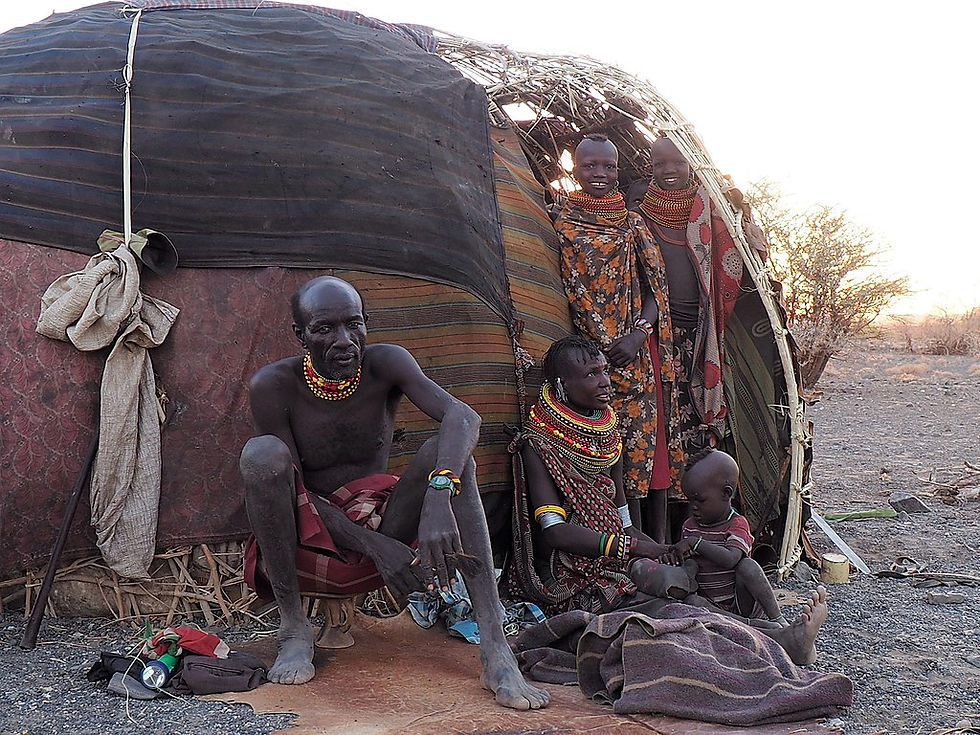
During colonial rule, Swahili found itself in the strange position of being useful but not entirely welcome—like the clever intern the boss keeps ignoring but secretly relies on. The Germans in Tanganyika liked it enough to use in schools and admin, probably because it was easier than learning fifty different Bantu languages. Then the British showed up, wrinkled their noses, and tried to make English the main act. But Swahili, stubborn and suspiciously well-organized, refused to fade. Missionaries used it to preach. Soldiers barked commands in it. Civil servants filled out endless forms in it. It became the lingua franca of the colonized—uniting people who otherwise had very little reason to cooperate. Colonial powers may have drawn the borders, but Swahili flowed right over them, casually ignoring imperial logic. It didn’t resist colonialism with flags or protests—it just kept talking, everywhere, until everyone realized they couldn’t do anything without it.
When East Africa emerged from colonial rule, Swahili stepped up like the unexpected hero of a very chaotic movie. In Tanzania, Julius Nyerere, with all the idealism of a man who’d just thrown off the shackles of empire, declared Swahili the official language. The idea was simple: one language to unite a patchwork of tribes and shake off the dusty remnants of colonialism. Swahili became the language of the new nation—used in schools, government, and newspapers, even though most Tanzanians spoke it only passably at best. The message? We are all in this together, even if we don’t fully understand each other yet. In Kenya, it took a bit longer for Swahili to get a seat at the official table, but it spread like wildfire—on radio, in politics, in the informal economy. Swahili didn’t just survive independence; it thrived, stretching itself to fit new ambitions, ideas, and frustrations.
After independence, East Africa didn’t exactly fall into a serene paradise of unity. No, it was more like a tense family reunion where everyone argued over who got the last piece of chicken. As Kenya, Tanzania, and Uganda navigated their newfound freedom, Swahili, ever adaptable, morphed into something of a reluctant diplomat—used in both government speeches and underground resistance meetings. But during the civil strife, it became a weapon of sorts, too. In Uganda’s brutal political chaos, for example, Swahili was used by military leaders as a way to assert power, while in Kenya, it echoed through the streets, both a tool of resistance and an everyday language for the masses caught in the crossfire. Despite the bloodshed and political maneuvering, Swahili remained remarkably resilient, bridging divides between ethnic groups while also carrying the weight of discontent. In the end, it was the one thing everyone could agree on—no matter what side you were on.
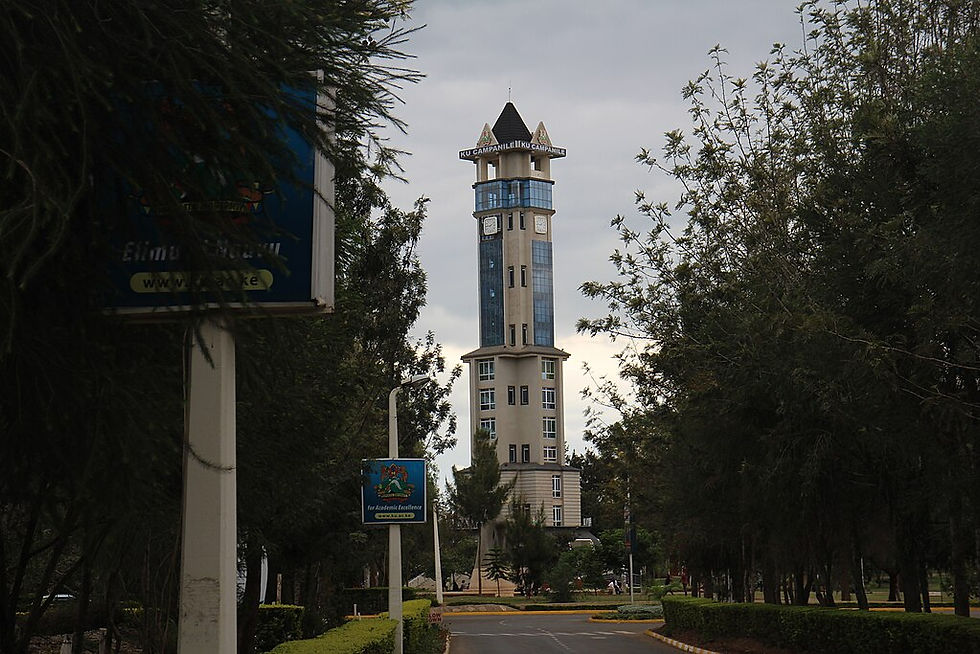
In today’s East Africa, where geopolitics feels like a never-ending chess match played on a table with missing legs, Swahili remains the one steady piece not flipping off the board. Border tensions? Ethnic divisions? Election dramas that feel more like soap operas? Swahili cuts through it all like a machete through sugarcane—clean, familiar, and occasionally sharp. It’s the language of news broadcasts that try to make sense of chaos, of peace negotiations held under baobab trees, and of memes that make fun of presidents with alarming accuracy. Governments wield it to promote unity, rebels co-opt it to rally support, and ordinary people use it to talk about all of the above without getting arrested—hopefully. Swahili isn’t just a language anymore; it’s a regional power broker, a cultural anchor, and the one thread tying together a region still learning how to live with itself. Geopolitics shift. Swahili, somehow, just keeps talking.
The future of Swahili looks suspiciously bright—almost like it knows something we don’t. As the rest of the world gets tangled in algorithmic gibberish and voice assistants that can’t pronounce your name, Swahili is out here quietly leveling up. It’s being taught in Chinese universities, spoken at African Union meetings, and popping up on YouTube channels with suspiciously catchy intros. Tech companies are eyeing it, governments are investing in it, and schoolkids from Nairobi to Kigali are texting in it—often better than they speak it. Swahili is no longer just the language of fishermen and freedom fighters; it's becoming the language of startups, influencers, and international diplomacy. Will it become Africa’s first global language? Maybe. Will it still be used to gossip about your neighbors and complain about the heat? Absolutely. Swahili’s future isn’t just secure—it’s fluent, flexible, and probably already three steps ahead of the rest of us.
Chinese investment in East Africa has arrived like a well-dressed guest who brings gifts but also starts rearranging the furniture. Roads, railways, stadiums—Beijing’s signature is everywhere, written in Mandarin and, increasingly, very formal English. And Swahili? It’s caught somewhere between grateful host and cultural gatekeeper. On one hand, Chinese companies are hiring local translators, learning basic Swahili phrases, and even opening Confucius Institutes that offer Swahili courses alongside Mandarin lessons. On the other hand, there's a creeping worry: will Swahili hold its ground, or slowly get sidelined by business deals made in boardrooms where no one says karibu? For now, Swahili is adapting—as always—soaking up new vocabulary and asserting itself as the language of the street, the shop, and, increasingly, the smartphone. It might not stop Chinese expansion, but it’ll make sure the conversation includes the locals. Because if you want to build in East Africa, you still need to speak to it.

Outside of Africa, Swahili is having a bit of a moment—like a band that was huge locally, and now suddenly has a cult following overseas. In the U.S., it’s taught in universities, whispered in diaspora kitchens, and occasionally shouted across Bronx street corners by Tanzanian aunties with no time for nonsense. There are Swahili churches in Minneapolis, WhatsApp groups in London buzzing with gossip from Nairobi, and kids in Toronto who switch between English and sheng faster than their parents can say usijifanye. Refugees, students, diplomats, and ambitious language learners are carrying Swahili far beyond the Indian Ocean breeze. Even K-pop fans in Seoul are picking up phrases because their favorite idol said asante. It’s global, but not flashy—spoken in quiet corners of the world where community matters. Swahili abroad isn’t just a language; it’s a tether, a reminder, a soundtrack for people building new lives without forgetting where the story started.
Swahili speakers may not be minting billionaires on Wall Street just yet, but don’t underestimate the quiet hum of economic power along the Swahili belt. From Dar es Salaam to Nairobi, markets pulse in Swahili—deals made over sacks of maize, secondhand jeans, and, increasingly, digital payments. It’s the language of boda boda drivers, tech entrepreneurs, cross-border traders, and everyone selling you airtime, fish, or political promises. With over 200 million speakers, Swahili isn’t just a cultural force—it’s a commercial one. Businesses that want to matter in East Africa? They market in Swahili. Politicians? They campaign in it. Apps? They’re scrambling to translate into it. Swahili speakers form one of the youngest, fastest-growing consumer bases in the world, armed with smartphones, side hustles, and no time for colonial leftovers. The future economy of East Africa speaks Swahili—and if you want in, you’d better learn how to say bei gani? with confidence.
The future of Swahili looks less like a gentle rise and more like a slow, steady tidal wave—unstoppable, a little salty, and carrying everything from TikToks to trade deals. With over 200 million speakers and growing fast, it’s no longer just the language of coastal traders and village gossip; it’s the connective tissue of East Africa’s booming cities, restless youth, and wildly ambitious dreams. Governments are doubling down on it. Schools are standardizing it. Tech is finally catching up, feeding Swahili into algorithms that once only spoke Silicon Valley. And beyond Africa? It’s gaining traction in diaspora communities, international universities, and the odd UN summit where someone dares to open in Habari za jioni. Swahili’s strength lies in its flexibility—equally at home in poetry, pop songs, or policy papers. The future doesn’t just look Swahili—it sounds like it too. And trust me, it’s got rhythm, charm, and something smart to say.


Comments