
Life in the Ethiopian Highlands
The Ethiopian Highlands, often referred to as the "Roof of Africa," feature a diverse and unique ecology. This mountain range, with its varied altitudes, hosts distinct ecosystems, ranging from tropical forests at lower elevations to alpine meadows at higher altitudes. The highlands are home to numerous endemic species, such as the Ethiopian wolf, gelada baboon, and giant molerat. The region's biodiversity is influenced by factors like altitude, temperature, and rainfall. Deforestation, climate change, and agricultural expansion threaten the delicate balance of this ecosystem, putting pressure on its plant and animal life and highlighting the need for conservation efforts.
The Highlands boast a rich natural history shaped by tectonic activity and climate. Formed by volcanic processes, these mountains have evolved over millions of years, resulting in a unique biodiversity. Early human ancestors, including Australopithecus and Homo sapiens, inhabited the region, leaving behind archaeological evidence. The highlands' isolation led to the development of many endemic species, such as the Ethiopian wolf and the gelada baboon. The region's climate is influenced by its elevation, fostering diverse ecosystems. However, human activity, including agriculture and deforestation, has altered the landscape, threatening its ecological balance and biodiversity.
The region covers much of Ethiopia and is characterized by steep cliffs, plateaus, and deep valleys, with elevations ranging from 1,500 to over 4,500 meters. The highlands are part of the East African Rift System, formed by tectonic forces that uplifted the region millions of years ago. Notable features include the Simien Mountains, Bale Mountains, and the Great Rift Valley. The climate varies with altitude, from tropical in lower areas to alpine at higher elevations. The region is drained by numerous rivers, including the Blue Nile.

The Highlands are primarily shaped by volcanic and tectonic activity. Located within the East African Rift System, the region is a product of the divergence between the African and Arabian tectonic plates. Volcanic eruptions, occurring over millions of years, formed the highland plateaus, peaks, and valleys. The highlands are rich in basaltic rock formations, with some areas displaying ancient lava flows. Notable geological features include the massive rift valleys and volcanic peaks like Mount Ras Dashen and Mount Bale. The region's geology reflects ongoing tectonic processes, with seismic activity and occasional volcanic eruptions still influencing the landscape today.
The climate of the Ethiopian Highlands is highly varied due to its diverse elevations. At lower altitudes, the climate is tropical, with warm temperatures and distinct wet and dry seasons. As altitude increases, temperatures drop, and the climate becomes more temperate and cooler. In higher regions, particularly above 3,000 meters, the climate is alpine, with cold temperatures and frequent rainfall. The highlands receive substantial precipitation, particularly during the main rainy season from June to September. This diverse climate supports a wide range of ecosystems, from tropical forests to alpine meadows, but is also vulnerable to climate change and deforestation.
The Ethiopian Highlands are home to a unique array of wildlife, many of which are endemic to the region. Iconic species include the Ethiopian wolf, the world’s rarest wolf, and the gelada baboon, known for its distinctive red chest and complex social behavior. The highlands also host the mountain nyala, Menelik’s bushbuck, and the giant molerat. The varied ecosystems support diverse birdlife, including the Ethiopian Bush-crow and the Bearded Vulture. The region's isolation has led to the evolution of many species found nowhere else on Earth, making it a critical area for conservation and biodiversity protection.

The region is home to several unique mammal species, many of which are endemic to the region. Notable mammals include the Ethiopian wolf, the rarest wolf species, and the gelada baboon, recognized for its red chest and complex social groups. The highlands also host the mountain nyala, a large antelope, and Menelik’s bushbuck, an adaptation of the common bushbuck. Other mammals include the giant molerat, the Bale monkey, and the African wild dog. These species are adapted to the high-altitude environment, with many facing threats from habitat loss, climate change, and human activities, emphasizing the need for conservation.
The Highlands are rich in birdlife, with several species endemic to the region. Notable birds include the Ethiopian Bush-crow, known for its social behavior and striking black and white plumage, and the Bearded Vulture, which is found in the high cliffs. Other endemic species include the Blue-winged Goose and the Abyssinian Catbird. The highlands' varied ecosystems support diverse bird populations, from alpine areas to lush forests, making it a vital bird-watching destination. However, many of these species are threatened by habitat destruction and climate change, underscoring the importance of conservation efforts in this biodiversity hotspot.
The region also hosts a variety of reptile species adapted to the region's diverse environments. The highlands are home to endemic reptiles such as the Ethiopian mountain chameleon and the Boulenger’s skink, both of which thrive in the cooler, higher altitudes. The region also has several species of snakes, including the venomous puff adder and the non-venomous Ethiopian rock python, which inhabit rocky and forested areas. Lizards are abundant, with species like the horned viper and various geckos found in the highlands. These reptiles play essential roles in the ecosystem, though their habitats are increasingly threatened by human activity and climate change.
The Ethiopian Highlands are home to a rich diversity of butterfly species, many of which are endemic to the region. The varied climates and ecosystems, from alpine meadows to temperate forests, create ideal conditions for these butterflies. Notable species include the Ethiopian swallowtail and the highland admiral, both of which are adapted to the cooler, higher elevations. These butterflies are important pollinators, supporting the region’s plant life. However, their populations are threatened by habitat destruction, climate change, and human encroachment. The highlands’ butterfly diversity makes it a key area for conservation efforts aimed at preserving these delicate species.
The Highlands are home to a variety of mollusc species, particularly in the region’s freshwater environments. The cool, high-altitude lakes and streams host unique gastropods, such as the endemic Lymnaea and Radicine snails, which thrive in the region's aquatic ecosystems. These molluscs play vital roles in nutrient cycling and serve as a food source for birds and other wildlife. Additionally, the highlands support a range of land snails, often adapted to the specific vegetation types found at different elevations. Habitat degradation, climate change, and pollution pose threats to these mollusc populations, emphasizing the need for conservation efforts.
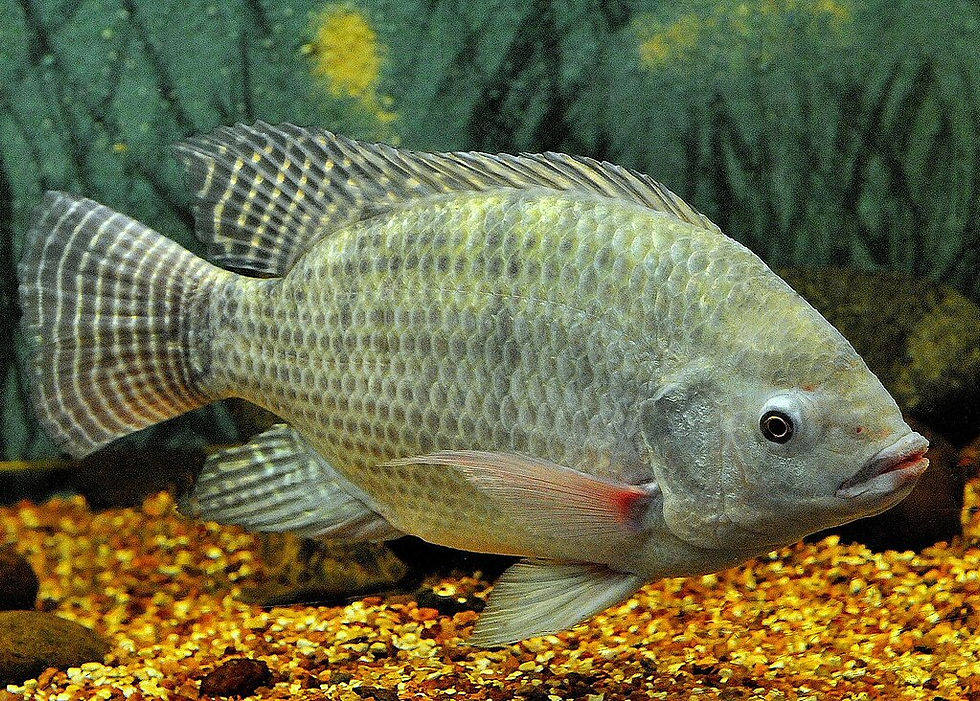
The Ethiopian Highlands are home to several fish species, primarily in the region's high-altitude lakes and rivers. Lake Tana, the largest lake in Ethiopia, supports a variety of endemic fish, including the giant barb and the Blue Nile tilapia. The cool, oxygen-rich waters of the highlands are ideal for cold-water species like the Ethiopian catfish. Many of these fish are adapted to the unique freshwater ecosystems of the region. However, overfishing, habitat loss, and the impacts of climate change threaten these populations. Protecting these fish species is crucial for maintaining the ecological balance of the Ethiopian highland watersheds.

The Ethiopian Highlands are home to several endangered species, many of which are found nowhere else in the world. The Ethiopian wolf, the rarest wolf species, is critically endangered due to habitat loss and disease. The gelada baboon, while more abundant, faces threats from habitat destruction and fragmentation. The mountain nyala, a type of antelope, is also at risk due to hunting and habitat degradation. Additionally, species like the Ethiopian bush-crow and the giant molerat face increasing pressures from human activities. Conservation efforts are vital to preserving these unique species and maintaining the ecological balance of the highlands.
The flora of the Ethiopian Highlands is diverse and unique, shaped by the region’s varied altitudes and climates. Lower elevations feature tropical forests with species like the indigenous Olea europaea and Podocarpus falcatus. As altitude increases, temperate plants dominate, such as bamboo groves and alpine meadows, with flowers like Alchemilla and Senecio species. The highlands are also home to distinctive endemic plants, including the giant lobelia (Lobelia rhynchopetalum), which thrives in higher altitudes. However, deforestation, agricultural expansion, and climate change are threatening these ecosystems, placing many plant species at risk of extinction. Conservation efforts are essential to protect this unique flora.
The future of wildlife in the Ethiopian Highlands is uncertain, with both challenges and opportunities ahead. Habitat loss due to deforestation, agriculture, and infrastructure development poses significant threats to many endemic species, such as the Ethiopian wolf and gelada baboon. Climate change is also altering ecosystems, potentially disrupting migratory patterns and food availability. However, conservation efforts, including protected areas like the Simien Mountains National Park, offer hope. Ecotourism could play a key role in funding preservation initiatives. Collaborative efforts between local communities, the government, and conservation organizations are crucial for securing a sustainable future for the highlands’ unique wildlife.



Comments