
Indian Elephants


ELEPHANTS > ASIAN ELEPHANTS
INDIAN ELEPHANTS
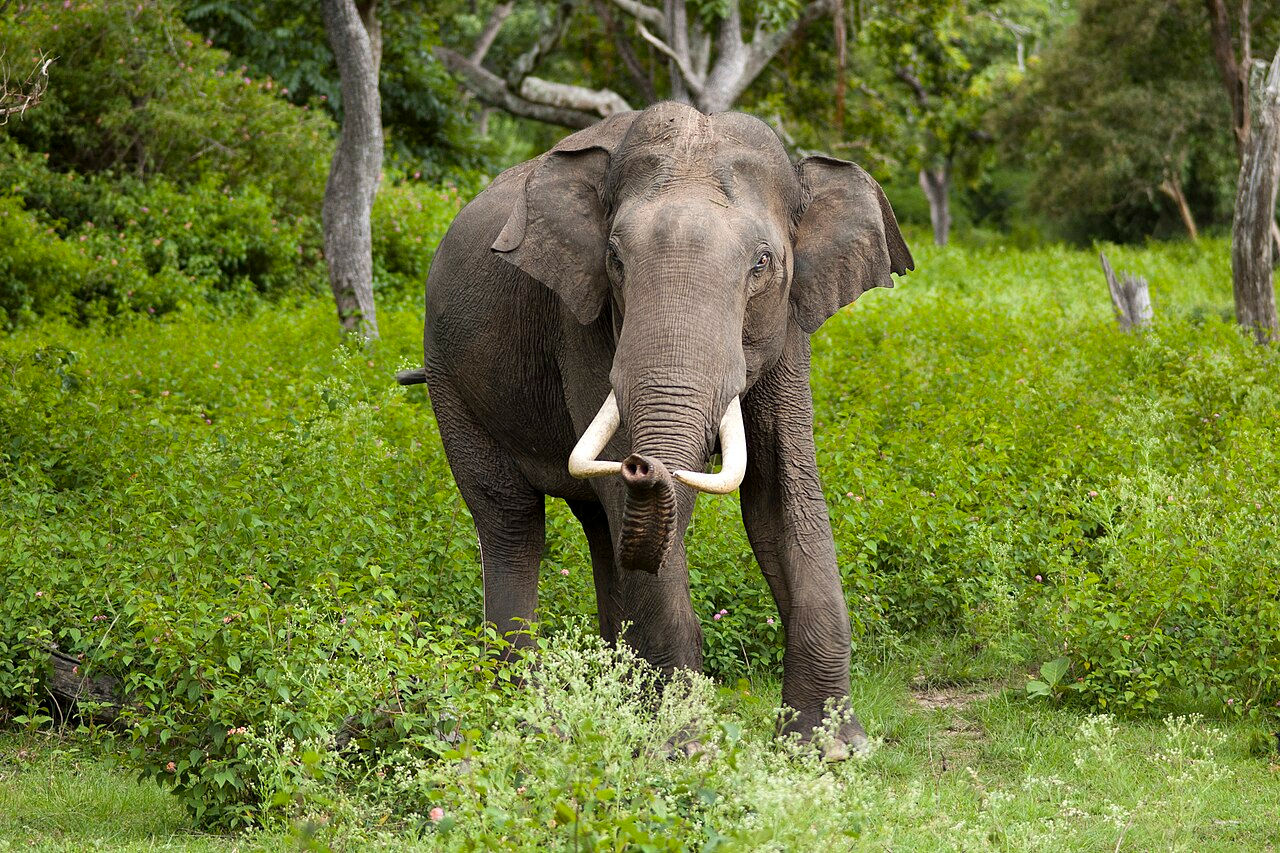
In the early mornings of Haryana’s Kalesar National Park, the forest is alive with hundreds of animals whether you see them or not. Indian elephants (Elephas maximus indicus) represent a small and rare extension of the Northern Shivalik elephant population. Their presence in the state is tied to the larger Rajaji–Corbett landscape, one of India’s primary elephant habitats. As an endangered species, the Indian elephants are facing pressures from habitat fragmentation, disappearing forest connectivity, and even human-elephant conflict across Northern India. Haryana’s forests, though they are small, function as important routes for herds of traveling Indian elephants. These Indian elephants have roamed India for thousands of years, shaping the forests and carving natural paths through them.
COMMON NAME: Indian Elephants SCIENTIFIC NAME: Elephas maximus indicus TYPE: Elephants DIET: Herbivore GROUP NAME: Herd AVERAGE LIFE SPAN IN THE WILD: 60-70 Years SIZE: 6.6-11.5 feet WEIGHT: 2.25-5.5 tons |
As an endangered species, the threats pressing Indian elephants are reflected in Haryana’s lands. Habitat fragmentation is caused by agricultural expansion, new infrastructure, and settlement growth, which has reduced the continuity of forest cover in the Shivalik foothills. This fragmentation of the forests restricts elephant migration and increases the likelihood of human–elephant encounters, and limits the elephants access to food and water. In regions near Kalesar, there has been crop depredation and property damage documented. It is becoming a challenge of coexistence in areas where human density is encroaching on natural habitats.
Human-elephant conflict is a conservation concern in Haryana. Although elephant presence in the state is intermittent, even a small herd of elephants can cause quite big economic problems for the local communities. The conflicts usually mean crop damage, accidental encounters, and occasional blows to construction efforts. Despite the challenges, Haryana has conservation initiatives that are working to protect their Northern Indian elephant population. The state’s forested areas, particularly Kalesar National Park and Kalesar Wildlife Sanctuary, are small ecological havens within the larger Shivalik landscape. These protected habitats are important for the elephant populations of Northern India so they are able to connect with one another during migrations.
The cultural and religious significance in Haryana also influences elephant conservation in the region. In Hinduism, elephants are very spiritual creatures and associated with the Hindu deity Ganesha, who represents wisdom, protection, and the removal of obstacles. Their symbolic value is something which connects the elephants to the people of India, and it contributes to why the elephants are viewed with so much respect, even in areas where conflict occurs between them and humans. Conservation organizations incorporate these cultural associations into their programs, utilizing them to promote coexistence and the importance of protecting elephants as part of India’s natural and spiritual heritage.

There are many organizations actively involved in elephant conservation efforts in India that extend to the elephants in Haryana. Wildlife SOS, in collaboration with the Haryana Forest Department, operates the Elephant Rehabilitation Centre in Yamunanagar, which cares for rescued elephants and works to share public education on elephants. Project Elephant, organized by the Ministry of Environment, Forest and Climate Change coordinates research, corridor forest mapping, and policy development around India's states home to elephants. WWF‑India contributes through landscape conservation planning and scientific monitoring within the Rajaji–Corbett corridor system. In Haryana, at the Northern edge of the elephants’ migration range, the Shivalik foothills create a natural path between states, and the forests of Kalesar are a refuge space for herds of Indian elephants. They travel in small family groups, and sometimes even in herds of ten or more.
Although Haryana is a small area of the Indian elephant’s range, it is one of the few places where wild elephants still move through the land as they do in the wild. The local residents living near Kalesar witness elephants appearing in passing and regard it with spiritual meaning. Being linked to Ganesha, the remover of obstacles and a good omen, shapes how people interpret their presence. In some villages, families leave offerings of fruit at the edges of forests for elephants, not as a management tactic, but as a gesture of respect and worship. Sometimes despite new conservation plans and strategies to deal with elephants, real community actions better reveal how cultural traditions and beliefs influence the human-elephant relationships that have dated back since long ago.
The elephants that pass through Haryana are not resident herds or accidental wanderers. The elephants migrate in the same routes that they have traveled for centuries, long before state borders and cities. Their routes overlap with newer human spaces, such as temple sites and crop fields so coexistence is a new concept for them as well. Their recorded movements show that Northern elephant populations remain connected through connected forests that are still intact but some have been replaced with fields or cut down, making it difficult for them to continue their natural passages without disturbing people. While really, humans are responsible for disturbing them.



Comments