
From the Archives: Murder in Equatorial Africa
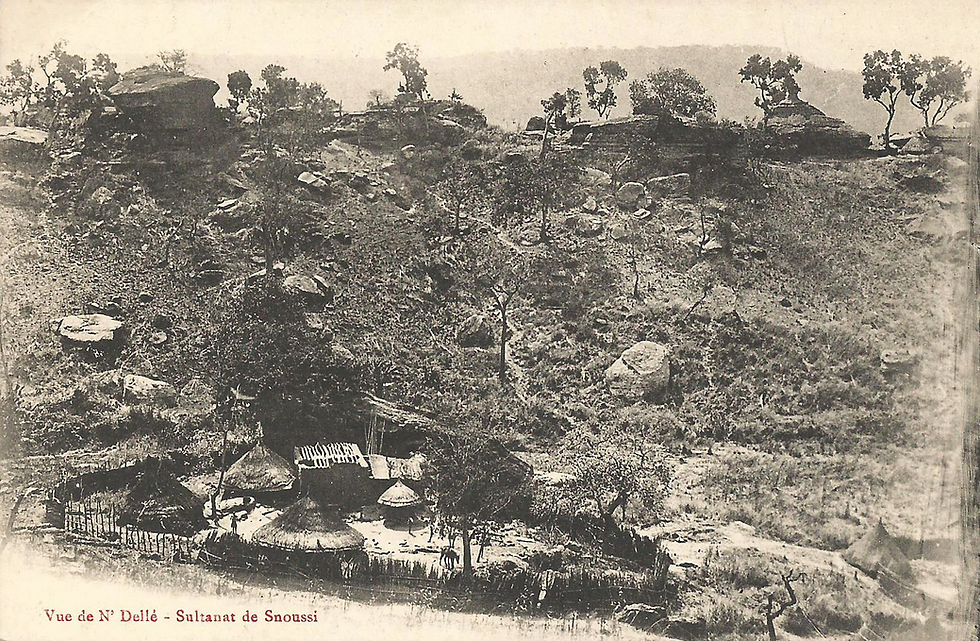
In 1890, French explorer Paul Crampel set out from the upper Congo on an ambitious mission to reach Lake Chad through territories that remained largely unknown to Europeans. The caravan that pushed north from Bangui was a small moving world of soldiers, porters, interpreters, and adventurers. Among its most unusual companions was a teenage African girl whom Crampel had taken under his protection during an earlier journey in Central Africa and brought along on the expedition, a detail that later added a poignant, almost novelistic note to the story.
The route led into the remote lands of Dar al-Kuti, where distances stretched across savanna and forest and where authority shifted from village to village. By early 1891 the expedition had been weakened by disease, desertion, and isolation. One European companion died before the party reached its goal, and Crampel pressed onward with only a handful of followers. The farther north he traveled, the thinner the line became between exploration and catastrophe.
Then events moved with astonishing speed. On 9 April 1891, Crampel was killed near Dar al-Kuti, reportedly on the orders of the powerful slave-raiding ruler Mohammed es-Senoussi. The expedition collapsed almost at once. Other members were killed in separate attacks or succumbed to the hardships that followed. In the end, only the caravan leader Nebout returned alive to tell the tale, making the disaster one of the most complete losses suffered by a French African expedition of the era.
Because so few witnesses survived, news of Crampel’s death reached France wrapped in uncertainty. Newspapers, geographers, and the public debated what had truly happened in the interior. Had there been betrayal, resistance, misunderstanding, or calculated murder? With only fragments of testimony available, speculation flourished. The mystery surrounding the expedition transformed Crampel from a fallen explorer into a figure of legend, his final journey lingering in the public imagination long after the facts had faded.


Comments