
Farmers of Forty Centuries
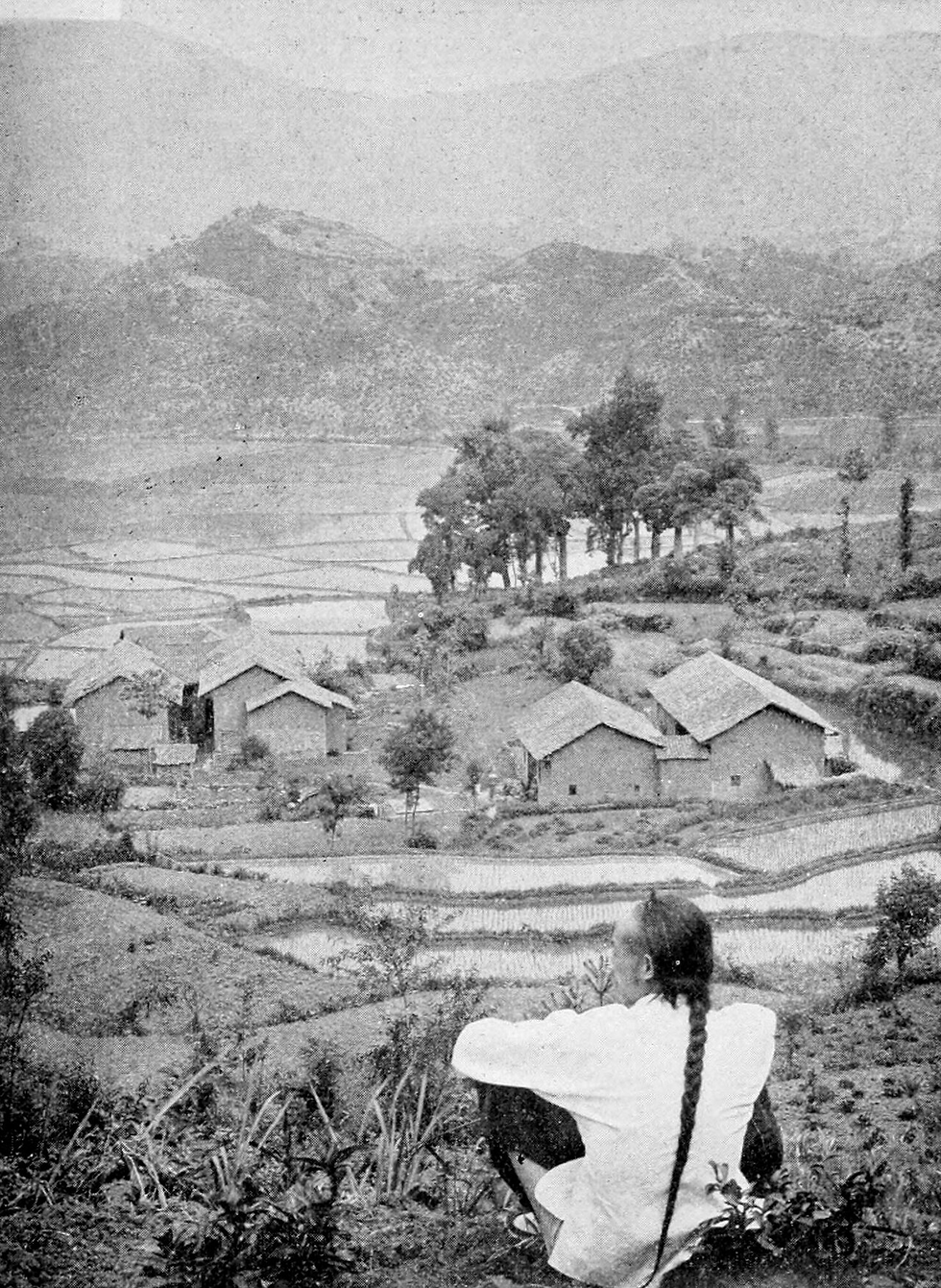
In the 1910s, life in rural Chinese farming villages followed rhythms that had changed little over centuries. Long before sunrise, families stirred to the sounds of roosters and water buffalo, preparing for another day shaped by the seasons rather than the clock. Across the fertile plains of the Yangtze River basin, the terraced hills of the south, and the wheat-growing fields of the north, agriculture formed the foundation of daily existence. Rice, wheat, millet, and vegetables sustained households that often cultivated the same plots their ancestors had farmed for generations. Villages clustered around winding streams, ancestral halls, and earthen roads, where neighbors shared irrigation systems, exchanged labor during planting and harvest, and gathered for markets that connected isolated communities with the wider world. Though China's Qing dynasty had fallen in 1912, political upheaval in distant cities often felt far removed from the routines of village life.
The landscape demanded resilience. Farmers relied on simple hand tools, wooden plows pulled by oxen or water buffalo, and intricate networks of canals that carried precious water to their fields. Entire families worked together, with children helping transplant rice seedlings, collect firewood, or tend ducks and pigs, while elders preserved agricultural knowledge passed down through generations. Homes, built from packed earth, timber, bamboo, or gray brick depending on the region, centered around courtyards where meals were prepared over wood-fired stoves. Festivals marking the Lunar New Year, spring planting, and autumn harvest brought welcome moments of celebration, reinforcing traditions rooted in ancestor veneration, local temples, and community cooperation.
Yet beneath this enduring way of life lay constant uncertainty. Floods, droughts, insect outbreaks, and crop failures could erase months of labor, while many farming families struggled under heavy rents or debts owed to landlords and merchants. Even so, rural villages remained remarkable centers of cultural continuity. Folk songs echoed across the fields, seasonal rituals honored both nature and family, and generations found meaning in a shared relationship with the land. In these villages, survival depended not only on fertile soil but also on cooperation, perseverance, and a deep understanding of landscapes that had sustained countless lives before them.


Comments