
Brazil’s First Voices: The Struggle and Resilience of Indigenous Languages in a Multicultural Nation
- Sep 5, 2025
- 15 min read
Brazil is home to one of the world’s richest tapestries of linguistic heritage, with more than 180 Indigenous languages still spoken across its vast forests, rivers, and savannas. These languages carry millennia of ecological wisdom, oral traditions, and cultural identity, yet many face the threat of disappearance as younger generations shift toward Portuguese. For decades, Indigenous leaders and scholars have warned of this decline, recognizing that when a language is lost, an irreplaceable worldview vanishes with it. But today, across Brazil, a quiet resurgence is underway. Communities are reclaiming words, songs, and stories, fueled by a growing recognition that linguistic diversity is essential not only for cultural survival but also for shaping a more inclusive national identity.
From the Amazon to the Atlantic coast, revitalization efforts are taking root in classrooms, on radio waves, and even on social media. In Maranhão, Guajajara educators have launched school programs that teach children to read and write in their ancestral tongue before introducing Portuguese. Among the Tikuna of the upper Solimões, young musicians weave their language into hip-hop beats, blending ancient rhythms with modern genres to capture the imagination of their peers. These initiatives reflect a profound shift: Indigenous languages are no longer confined to the private spaces of home and ceremony, but are entering public and digital arenas, reshaping how Brazil hears its own voice.
Government and academic institutions are beginning to play a role as well. Universities such as the Federal University of Pará now offer degree programs in Indigenous languages, training a new generation of teachers who are as comfortable in the classroom as they are in the rainforest. Digital dictionaries and archives, often co-created with communities, aim to preserve vocabularies for future generations, while legislation has granted Indigenous peoples greater autonomy in designing their own education systems. These advances, though uneven and often underfunded, signal a broader recognition that Brazil’s linguistic wealth is not a relic of the past but a cornerstone of its future.

The hope for Indigenous languages in Brazil lies not only in preservation but in transformation. Languages thrive when they are spoken daily, sung loudly, and written boldly, and Brazil’s Indigenous communities are ensuring exactly that. They are reshaping old narratives of loss into stories of resilience, showing that words once silenced can become voices of empowerment. In the face of globalization and ecological upheaval, Indigenous languages remain a testament to adaptability, continuity, and the enduring human drive to express identity. For Brazil, their survival is more than cultural preservation—it is a promise of a more diverse and resilient nation.
The story of Indigenous languages in Brazil stretches back thousands of years, long before the arrival of Europeans. Archaeological evidence and oral traditions suggest that hundreds of distinct peoples developed complex linguistic systems adapted to their diverse environments—from the sprawling Amazon basin to the cerrado grasslands and Atlantic forest. Families of languages such as Tupi-Guarani, Macro-Jê, and Aruak thrived, each carrying unique worldviews, cosmologies, and ecological knowledge. These languages were not static; they evolved as communities traded, intermarried, and migrated, creating intricate webs of communication. Some acted as lingua francas across vast regions, enabling exchange between different groups. By the time Portuguese navigators reached Brazil’s shores in 1500, scholars estimate that more than a thousand Indigenous languages were spoken, a testament to the continent’s cultural and linguistic abundance.
Colonization, however, brought immense disruption. Jesuit missionaries, who arrived in the 16th century, initially embraced local languages to spread Christianity, with Tupi becoming a favored medium. They created grammars, dictionaries, and catechisms, inadvertently preserving knowledge of these tongues. Yet their efforts were not aimed at safeguarding linguistic diversity but at transforming it into a tool for conversion and colonial control. The Portuguese Crown, wary of Indigenous autonomy, eventually outlawed the use of Native languages in public life in the mid-18th century under the Pombaline Reforms. Speaking Portuguese became not only a political mandate but also a marker of survival. Communities that clung to their ancestral speech were marginalized, often facing violence, displacement, or forced assimilation.

The brutality of the transatlantic slave trade further shaped Brazil’s linguistic landscape. Millions of Africans were brought to Brazil, each carrying languages as varied as Yoruba, Kikongo, and Ewe. On plantations and in colonial towns, communication often depended on blending tongues—Indigenous, African, and Portuguese—into creoles and hybrid dialects. Maroon communities, known in Brazil as quilombos, became sanctuaries where linguistic diversity thrived. In some of these settlements, Indigenous languages mingled with African ones, creating a shared medium of resistance against enslavement. Oral traditions recount how maroon leaders used Indigenous words to organize defense strategies, evade colonial patrols, and maintain spiritual practices. Language, in these contexts, became both shield and sword, a means of preserving identity while forging new collective identities rooted in freedom.
Despite these moments of resilience, Portuguese steadily grew into the dominant language of the colony. Economic and political centralization under Lisbon demanded linguistic conformity, especially in cities where trade and administration flourished. By the 19th century, when Brazil declared independence in 1822, Portuguese was firmly entrenched as the national language, while Indigenous tongues were confined largely to rural and forested enclaves. The young empire promoted Portuguese as a unifying force, associating it with modernity and citizenship, while casting Indigenous languages as vestiges of a “primitive” past. Schools, laws, and newspapers all reinforced this hierarchy, silencing many voices. In just a few generations, hundreds of Indigenous languages were pushed to the brink of extinction, victims of both violence and neglect.
Yet, even in the shadows of suppression, Indigenous speech endured. Families whispered ancestral words to their children at home, often in secret. Songs sung during rituals carried vocabularies that official decrees could not erase. Among some quilombola communities, elements of Indigenous grammar and vocabulary blended seamlessly into local Portuguese, leaving linguistic fingerprints that persist today. Linguists studying rural Brazilian dialects continue to find traces of Indigenous influence in place names, food terms, and expressions that remain part of everyday conversation. These survivals, often unnoticed by mainstream society, serve as quiet reminders of a linguistic history far richer than the national narrative suggests.

The 20th century brought both new threats and opportunities. Rapid urbanization, expansion of agriculture, and the construction of highways into the Amazon exposed many Indigenous groups to external pressures. With contact came both disease and forced assimilation, accelerating language loss. At the same time, however, Brazil’s growing intellectual community began to recognize the scientific and cultural value of Indigenous languages. Anthropologists, linguists, and educators collaborated with Indigenous leaders to document vocabularies, compile oral histories, and create written forms for languages that had previously been transmitted only orally. These efforts were far from perfect—often shaped by colonial attitudes—but they laid the groundwork for today’s revitalization movements.
In the late 20th century, Brazil’s return to democracy opened new possibilities. The 1988 Constitution recognized Indigenous peoples’ rights to their languages, cultures, and lands, marking a historic shift from assimilation to autonomy. Indigenous schools were established, designed to teach children in their native tongues while preparing them for participation in broader Brazilian society. Radio stations began broadcasting in languages like Baniwa and Tikuna, while festivals and cultural exchanges highlighted the importance of linguistic heritage. For the first time in centuries, speaking an Indigenous language was no longer an act of defiance alone—it was also a constitutionally protected right.
Today, the history of Indigenous languages in Brazil is not simply a tale of decline, but of resilience and renewal. From the whispering forests of the Amazon to the hills once guarded by quilombos, languages that endured colonization and slavery now echo in classrooms, music, and digital spaces. Portuguese may remain the dominant tongue of Brazil, a legacy of empire and nation-building, but it is increasingly joined by voices reclaiming their place in the national conversation. The past reminds us how fragile languages can be under systems of power, but also how enduring they are when communities fight for them. In this persistence lies the hope that Brazil’s linguistic future may finally honor the depth and diversity of its history.

In Brazil today, the revitalization of Indigenous languages is deeply intertwined with the struggle to defend the environment. Across the Amazon and beyond, Indigenous communities view language not simply as a tool of communication, but as the vessel through which ancestral knowledge of rivers, plants, animals, and seasons is passed down. Words often encode ecological wisdom: how to navigate the flood cycles of the Rio Negro, which vines cure snakebites, or when to plant cassava so it thrives without exhausting the soil. Reviving a language, therefore, is not only a cultural act—it is also an ecological one. As communities reclaim their speech, they are simultaneously reasserting the cosmologies and sustainable practices that have long safeguarded Brazil’s most biodiverse regions.
In the upper Xingu, where dozens of Indigenous groups live within a mosaic of forests and savannas, language revitalization programs have taken root alongside conservation initiatives. Teachers in Kuikuro and Kalapalo villages now weave vocabulary lessons with environmental stewardship, teaching children the names of fish, trees, and medicinal plants in their ancestral tongues while emphasizing their role in maintaining ecological balance. This pairing ensures that knowledge passed on is not abstract but grounded in lived experience: children who learn the Kuikuro word for a particular palm tree also learn its importance for weaving baskets or feeding game animals. By strengthening language, communities reinforce the ecological wisdom embedded in words, creating a dual shield for both culture and environment.
Indigenous leaders often highlight that many environmental threats—illegal logging, mining, and industrial agriculture—go hand in hand with cultural erosion. Where forests are felled, languages too are often silenced, as displacement scatters communities and interrupts intergenerational teaching. Conversely, where languages thrive, the land is often more protected. Studies have shown that Indigenous territories in Brazil with stronger community cohesion, including the use of traditional languages, experience lower rates of deforestation than surrounding areas. This is not coincidence: speaking one’s language fosters a sense of belonging and responsibility to the territory, anchoring conservation in identity rather than in external mandates.
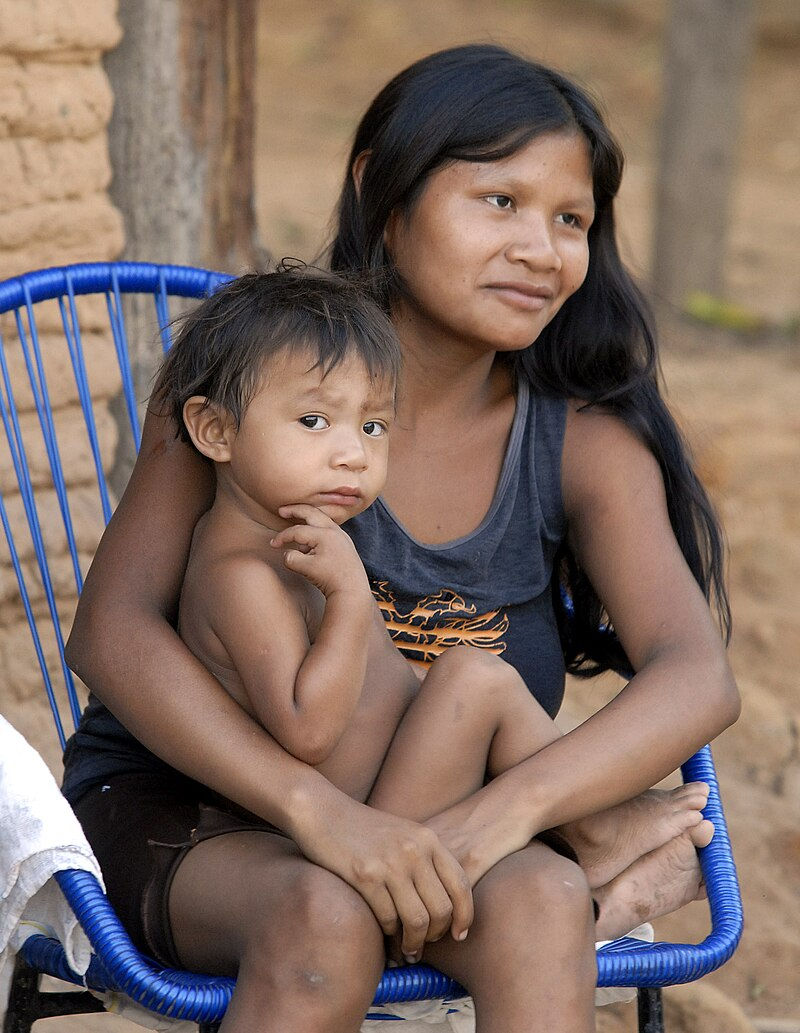
The Guarani people, whose territories stretch across southern Brazil, illustrate this connection vividly. In their spiritual worldview, articulated through the Guarani language, land is not a resource to be exploited but a living being to be cared for. Words for forests, rivers, and skies are infused with sacred meanings, shaping how communities interact with the natural world. When Guarani youth reclaim their ancestral tongue, they also inherit these perspectives, equipping them to resist the encroachment of agribusiness and urban expansion. Language, in this sense, becomes a rallying point for environmental activism, a reminder that conservation is not only about protecting biodiversity but also about honoring ways of seeing the world that place balance at the center.
Digital platforms have become new frontiers where language revitalization and environmental defense intersect. In the TikTok videos of young Pataxó activists from Bahia, one can find lessons on Pataxó vocabulary interspersed with critiques of deforestation and climate change. Podcasts in languages like Baniwa and Kaingang discuss both traditional stories and contemporary threats to the Amazon. These digital efforts carry the dual message that preserving Indigenous languages and ecosystems are inseparable struggles. The internet, once feared as a force of homogenization, is increasingly wielded as a tool of resilience, amplifying Indigenous voices to both national and global audiences.
Partnerships with environmental NGOs and universities have also played a role, though Indigenous leaders are quick to emphasize the need for autonomy. Projects that link linguistic documentation with ecological mapping, for example, show how local terms for rivers or animal species can enhance scientific research while asserting Indigenous ownership of knowledge. In the Rio Negro region, communities have collaborated with biologists to catalog biodiversity using local language classifications, often revealing distinctions invisible to Western taxonomy. Such efforts underscore how language revitalization can enrich conservation science, offering new ways to perceive and protect the natural world.

The Brazilian state’s policies remain uneven, but there are signs of progress. Some conservation initiatives now explicitly integrate linguistic and cultural preservation into their mandates, recognizing that one cannot survive without the other. In protected areas co-managed by Indigenous peoples, language education has become as central as patrols against illegal loggers. Yet challenges persist: political instability, lack of funding, and ongoing pressure from agribusiness interests threaten both forests and tongues. Despite these obstacles, the growing visibility of Indigenous movements has forced Brazil to confront the reality that its future environmental health depends on the survival of its first languages.
Ultimately, the bond between language revitalization and environmental conservation reveals a profound truth: Brazil’s biodiversity and cultural diversity are two sides of the same coin. Every word reclaimed carries with it a worldview that honors interdependence, teaching that humans are part of nature rather than its masters. As Indigenous communities breathe new life into their ancestral tongues, they also breathe hope into the fight against deforestation and climate change. In their voices, rising once more in forests and on airwaves, lies the possibility of a Brazil where culture and environment are not sacrificed for progress but celebrated as its foundation.
Brazil’s linguistic landscape today is dominated by Portuguese, the world’s largest Lusophone nation with more than 200 million speakers. Yet beneath this surface, Indigenous languages continue to play an important, if often understated, role. More than 180 Indigenous tongues are still spoken, mainly across the Amazon and the country’s interior, by communities that range from a few hundred to tens of thousands of speakers. While Portuguese governs formal life—education, politics, business, and mainstream media—Indigenous languages shape the everyday realities of those who carry them. In homes, in rituals, and increasingly in public spheres, they provide continuity, binding communities to their past and future even as they coexist uneasily within a nation built on linguistic uniformity.

Day-to-day communication reveals the subtle resilience of these languages. In villages along the Xingu River, children grow up bilingual, switching fluidly between their ancestral tongue at home and Portuguese in broader Brazilian society. In some communities, elders use only their Indigenous language, creating a generational imperative for youth to learn it if they wish to engage with grandparents and ancestral stories. In urban centers, where many Indigenous Brazilians migrate for work or education, small enclaves form where traditional languages are still spoken, whether in family circles or community associations. These interactions may seem small-scale, but they represent a powerful act of resistance against the tide of assimilation that has historically sought to erase them.
The realm of media has emerged as a surprising ally for language preservation. Indigenous-led radio stations broadcast in dozens of languages, offering news, cultural programs, and even soccer commentary. In Manaus, the capital of Amazonas state, one can tune into stations that mix Portuguese and Tikuna, reflecting the city’s diverse population. Television has been slower to embrace linguistic diversity, but recent years have seen documentaries and educational programming that foreground Indigenous voices, sometimes with entire segments in original languages. These programs challenge the long-standing invisibility of Indigenous speech in mainstream Brazilian media, presenting audiences with the soundscapes of cultures that predate the nation itself.
Film, in particular, has become a stage for Indigenous languages to gain wider recognition. The acclaimed 2018 film The Dead and the Others (Chuva é Cantoria na Aldeia dos Mortos), spoken largely in Krahô, brought international attention to Indigenous cinema and language. Festivals across Brazil now showcase films made by Indigenous directors who deliberately center their narratives in their own tongues, using subtitles for wider audiences rather than defaulting to Portuguese. These cinematic works are more than artistic expressions; they are acts of cultural affirmation, ensuring that Indigenous languages are seen and heard on the same stage as Brazil’s dominant culture.
Music has also proven to be a vibrant space for linguistic revitalization. From traditional chants echoing in rituals to contemporary genres like rap and pop, Indigenous musicians are blending ancestral words with modern rhythms. The Guarani Kaiowá, for instance, have produced songs in their language that circulate widely on YouTube, both preserving vocabulary and reaching youth audiences across Brazil. Hip-hop collectives in Amazonian cities often weave Indigenous phrases into Portuguese lyrics, creating hybrid forms that reflect both heritage and urban reality. These fusions highlight how Indigenous languages are not frozen relics but living, evolving forms of expression that adapt to contemporary contexts.
Literature represents another powerful frontier. While Brazil’s literary canon has long centered Portuguese, a growing movement of Indigenous authors is reshaping the landscape. Writers such as Daniel Munduruku and Eliane Potiguara produce works that interlace Portuguese with Indigenous terms, proverbs, and storytelling traditions, subtly shifting how readers engage with language. Some communities are also producing bilingual books for children, ensuring that new generations see their mother tongues in print alongside Portuguese. These texts are not only educational tools but symbols of legitimacy, affirming that Indigenous languages belong not only to oral tradition but also to the written word and the national imagination.
The presence of Indigenous languages in these cultural domains remains fragile, often dependent on grassroots efforts rather than structural support. Funding for Indigenous media and education is inconsistent, and many languages face the risk of disappearing within a generation if active revitalization does not continue. Yet the growing visibility of Indigenous languages in music, film, and literature suggests a gradual transformation in Brazil’s cultural self-understanding. Increasingly, Brazilian society is being reminded that its identity is not monolithic but woven from many tongues, each carrying its own history and worldview.
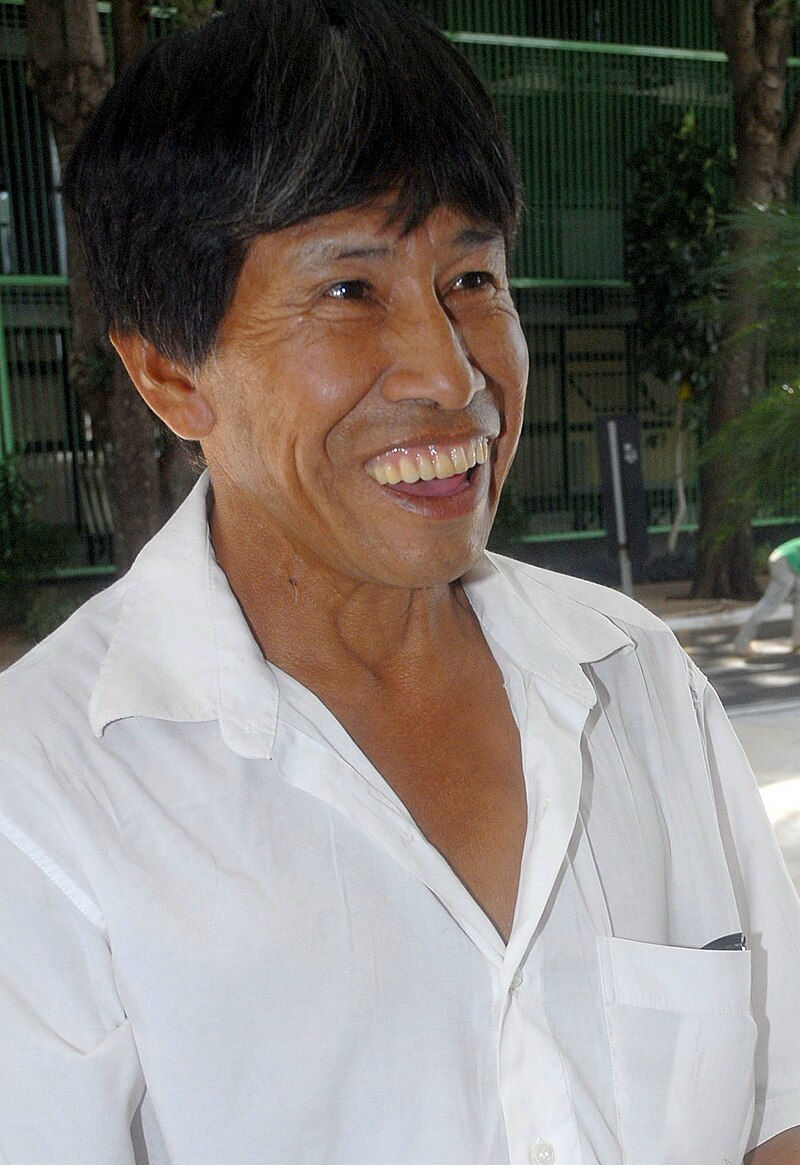
In this evolving linguistic landscape, Indigenous languages occupy a paradoxical space. They are at once marginalized and celebrated, endangered and resilient, local and increasingly global through digital platforms. Their reemergence in everyday communication, media, music, and literature challenges the dominance of Portuguese not by displacing it, but by enriching it. The sound of a Guarani song on the radio, a Tikuna phrase in a film, or a Potiguara word in a poem invites Brazilians to hear their country anew. It is a reminder that Brazil’s future, like its past, is polyphonic—composed of many voices, rising together to tell the story of a nation that is far more diverse than its official language alone can express.
Brazil’s Indigenous cultures today are experiencing a remarkable renaissance, yet this resurgence unfolds amid deep political struggles and structural obstacles. Indigenous peoples make up less than one percent of Brazil’s population—around 1.7 million people according to the 2022 census—but they represent over 300 distinct ethnic groups speaking more than 180 living languages. Their presence is a vital reminder of Brazil’s origins, though centuries of colonization and state-building have pushed them to the margins of national life. The revival of Indigenous languages has become a powerful act of resistance, but restoring them to the level of dominant forms of communication faces immense challenges, rooted in politics, economics, and the multicultural reality of modern Brazil.
Central among these challenges is the political climate. Indigenous movements have gained visibility, especially through organizations like APIB (Articulação dos Povos Indígenas do Brasil), which advocates for land rights, cultural preservation, and linguistic revitalization. Yet political instability, corruption, and shifting administrations often translate into inconsistent policy support. Even when constitutional rights guarantee Indigenous peoples’ autonomy over education and language use, enforcement is weak. Under certain administrations, Indigenous schools have suffered budget cuts, while development projects such as dams, mines, and highways continue to encroach on territories. These political pressures limit the spaces where Indigenous languages can thrive, undermining the foundations of their resurgence.

Education remains a battleground. In theory, bilingual and intercultural education is guaranteed by law, but in practice, many Indigenous children are funneled into schools where Portuguese dominates. Teachers trained in Indigenous languages are in short supply, and government-provided curricula rarely integrate local culture and vocabulary in meaningful ways. For parents, this creates a painful dilemma: prioritize Portuguese, the key to economic mobility and participation in broader society, or insist on their mother tongue, often seen as less practical in a competitive job market. The pressure to conform to Portuguese is particularly strong in urban areas, where many Indigenous migrants live in neighborhoods side by side with Afro-Brazilian, European-descended, and immigrant communities.
Media and popular culture have made important strides, yet obstacles remain. While Indigenous languages increasingly appear in documentaries, literature, and music, mainstream television and film remain overwhelmingly Portuguese. Economic control of Brazil’s media industry is concentrated in the hands of a few corporations, which prioritize commercial content that appeals to mass audiences. As a result, Indigenous programming often remains localized or relegated to small community outlets. Without broader visibility, Indigenous languages struggle to gain the prestige and normalization needed to shift national attitudes. Despite progress, the gulf between grassroots cultural production and nationwide recognition continues to limit the scale of the linguistic revival.
Complicating this struggle is Brazil’s extraordinary cultural diversity. The country is home not only to Indigenous peoples but also to the descendants of enslaved Africans, who form one of the largest Afro-descendant populations in the world, as well as millions of Europeans, Asians, and Middle Eastern immigrants. This multiethnic reality has produced a dynamic, hybrid national identity expressed through Portuguese as the common denominator. In this context, elevating Indigenous languages to the status of dominant communication requires navigating a society where Portuguese is seen as a unifying thread connecting people of multiple heritages. For many Brazilians, Indigenous languages are symbols of heritage rather than everyday tools, a perception that limits their broader integration.

Economic pressures add another layer of difficulty. Many Indigenous communities face poverty and lack access to healthcare, infrastructure, and employment opportunities. These conditions often push younger generations to migrate to cities, where Portuguese dominates every sphere of life. In urban contexts, speaking an Indigenous language can even invite discrimination, reinforcing its stigmatization as backward or irrelevant. For revitalization to succeed, it must confront not only the lack of institutional support but also the socioeconomic inequalities that make Portuguese the default choice for survival and mobility. Language loss is rarely just about communication; it is bound to structures of opportunity and exclusion.
Despite these barriers, Indigenous peoples are demonstrating resilience. Movements for linguistic and cultural revival are closely tied to broader struggles for land rights and political recognition. Territories where Indigenous groups have secured stronger land protections tend to show higher rates of language retention, since physical space provides a foundation for cultural continuity. In these areas, schools, rituals, and everyday life are more insulated from external pressures, enabling Indigenous languages to flourish. Activists argue that defending the land is inseparable from defending the language: one cannot survive without the other. This linkage has placed Indigenous struggles at the heart of Brazil’s debates about democracy, development, and climate change.
Ultimately, the path for Indigenous languages to regain dominance within Brazil is fraught with challenges but not without hope. While Portuguese will almost certainly remain the country’s lingua franca, Indigenous tongues are carving out growing spaces of legitimacy, recognition, and pride. Their revival signals a shift in Brazil’s understanding of itself—not as a homogenous Portuguese-speaking nation, but as a vibrant mosaic where multiple heritages coexist. In this sense, the resurgence of Indigenous languages is not about replacing Portuguese but about correcting historical silences, ensuring that Brazil’s national story reflects all its peoples: Indigenous, African, European, and immigrant alike. The survival of these languages may never displace Portuguese, but their presence ensures that Brazil’s future will be richer, more diverse, and more deeply rooted in the voices of its first peoples.


Comments