
A Journey Through Moldova’s Sacred Valley
- May 30, 2025
- 4 min read
In the quiet heart of Moldova, where rolling hills give way to limestone cliffs and the Răut River winds like a silver ribbon, lies Orhei National Park—a landscape that speaks in whispers of ancient civilizations, sacred devotion, and timeless beauty. Far from the noise of modern tourism, this protected region offers more than scenic vistas; it is a living tapestry where nature and history intertwine. Established in 2013, the park is Moldova’s first national park, yet its roots stretch back millennia, deep into the soil and stone.
At the heart of Orhei lies the cultural treasure of Old Orhei (Orheiul Vechi), a complex archaeological site etched into the cliffs above the river. Here, ancient Dacian fortresses, medieval Orthodox cave monasteries, and traces of the Golden Horde converge in a dramatic setting. Monks still dwell in the cliffside cells of the 13th-century Cave Monastery, lighting candles in cool stone chapels that overlook the valley. The surrounding ruins whisper of Tatar invasions, Moldovan princes, and the resilience of a people shaped by conquest and devotion. Each layer of rock seems to hold a fragment of Moldova’s soul.
Today, Orhei National Park serves not only as a sanctuary for biodiversity but also as a guardian of Moldova’s spiritual and cultural legacy. Traditional villages, with whitewashed houses and hand-painted wells, dot the landscape, preserving folk customs and agricultural rhythms that have endured for generations. The park’s protected status ensures that this fragile harmony—between humans and land, past and present—is sustained. In Orhei, history is not a distant echo; it is a lived experience, unfolding beneath open skies and across sacred stone. It is here that Moldova tells one of its most intimate stories—in the silence of its valleys and the faith carved into its cliffs.
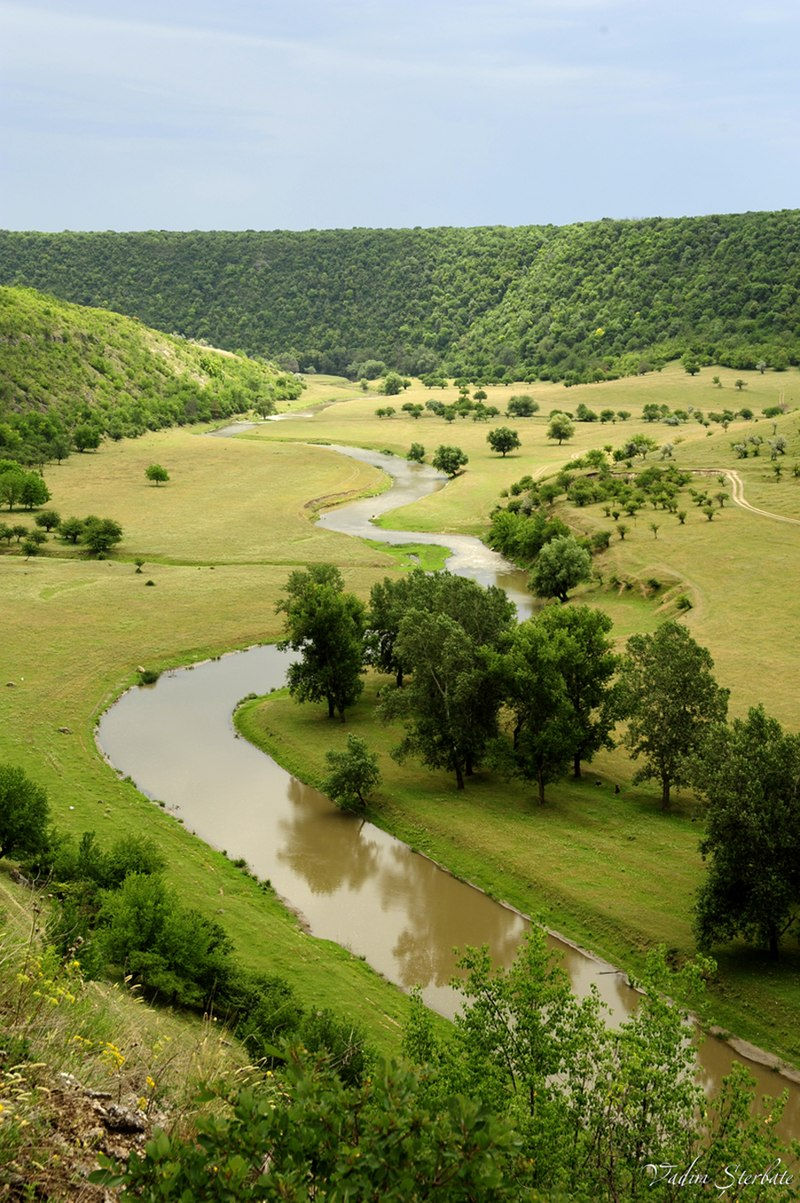
In the sun-drenched valleys and chalky limestone cliffs of Moldova’s Orhei National Park, plant life clings stubbornly to stone and soil, flourishing in one of Europe’s least-explored ecological gems. Spread across more than 33,000 hectares in the heart of the country, the park’s varied terrain—rolling hills, riverbanks, forested ridges, and steppe meadows—creates a patchwork of microclimates. This rich mosaic supports a surprising diversity of plant species, many of which are rare or endemic to the region. In spring and early summer, the landscape erupts in color as wildflowers bloom across the open hills, carpeting them in brilliant reds, purples, and golds.
One of the park’s most distinctive features is its limestone cliffs and dry grasslands, home to xerophytic plants specially adapted to thrive in arid, sunbaked soil. Here, species like feather grass (Stipa), thyme, and wild sage dominate, their fragrant leaves perfuming the air. Along cliff edges and rocky outcrops, hardy succulents and delicate alpine flowers take root in the most unlikely of crevices. This fragile ecosystem is a refuge for flora that once covered vast stretches of Eurasian steppe, now dwindling due to agriculture and urban expansion.
Lower in the valleys, near the Răut River and its tributaries, lush floodplain meadows and wetlands provide a stark contrast. Willows and alders line the water, and marsh plants like cattails and sedges offer critical habitat for birds and amphibians. These moist zones create a haven for wild orchids and medicinal herbs, many of which have been used in local folk remedies for centuries. The blending of wet and dry zones within such a compact space makes Orhei National Park a botanical crossroads, where species from northern, steppe, and southern regions coexist.
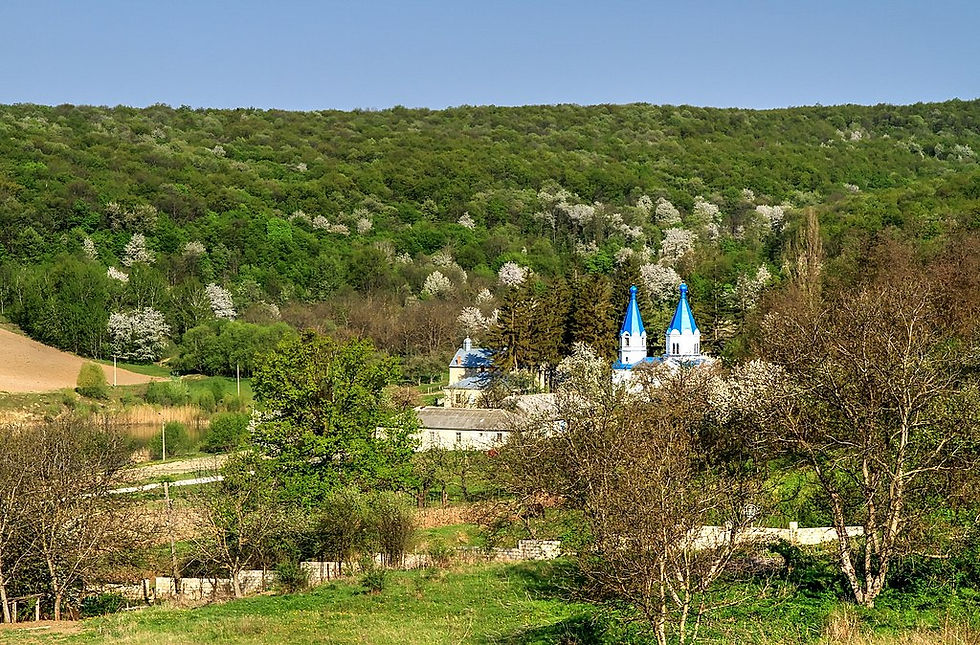
Conservation efforts in the park aim to protect this botanical diversity while allowing traditional land use to continue in harmony with nature. Local communities still harvest herbs, graze livestock, and tend small garden plots, maintaining a sustainable balance that supports biodiversity. As Moldova faces pressures from climate change and development, Orhei stands as a rare example of coexistence between people and plants—where the land is not just preserved, but lived in, and where wildflowers still bloom as they have for generations, untouched by time.
Tucked away in the rolling hills of Orhei National Park shelters a vibrant cast of creatures—some elusive, some bold—that call this ancient landscape home. Spanning forests, river valleys, cliffs, and steppe meadows, the park’s diverse ecosystems provide critical refuge for more than 300 animal species, many of which are rare or threatened elsewhere in Europe. Here, nature moves at its own rhythm: roe deer dart through the woods at dawn, foxes tread lightly over limestone ridges, and hawks soar silently above the meandering Răut River.
The forested areas of the park, rich in oak, hornbeam, and beech, are alive with mammals and birds that thrive in the dappled shade. Wild boar root through underbrush in search of acorns and mushrooms, while badgers and hedgehogs emerge cautiously at dusk. Among the trees, birdwatchers can spot the European green woodpecker, the golden oriole, and, with some luck, the shy Eurasian eagle-owl. These wooded corridors act as vital green bridges, connecting species across an increasingly fragmented countryside.

In the park’s open meadows and limestone cliffs, the animal world shifts. Reptiles like the sand lizard and the smooth snake bask on sun-warmed rocks, while butterflies and bees flit between wildflowers, playing key roles in pollination. The cliffs above the Răut River are nesting sites for birds of prey, including kestrels and peregrine falcons, who use the high vantage points to survey the land. Along the riverbanks, otters leave trails through the reeds, and frogs chorus in spring as a living soundtrack to the wetlands’ renewal.
Orhei National Park’s animal life is not just a natural wonder—it is also a measure of balance. Efforts to preserve these habitats, from limiting pesticide use to maintaining traditional grazing practices, have kept the landscape biologically rich and resilient. Local communities play a key role, supporting wildlife through conservation-minded farming and a deep cultural connection to the land. As Europe’s biodiversity continues to face mounting threats, Orhei offers a quiet but powerful example of how humans and animals can share space—and how wild voices, if protected, will continue to echo through the hills for generations to come.


Comments