Womanhood in Georgia
- May 29, 2025
- 4 min read


In Georgia, women’s lives weave deep tradition with fierce resilience. Amid ancient mountain villages and bustling Tbilisi streets, many uphold roles shaped by Orthodox faith and patriarchal custom—caretakers, homemakers, silent strength. Yet, modern Georgia stirs with change. Women push boundaries in politics, business, and activism, challenging gender norms with quiet courage and bold determination. The scars of conflict linger, and domestic violence remains a pressing issue. But in singing polyphonic songs, passing down stories, or leading protests, Georgian women are keepers of culture and agents of change—standing tall in a landscape as rugged and enduring as their spirit.
In the rugged heart of the Caucasus, Georgia’s feminist movement has always danced between deep-rooted tradition and urgent rebellion. As early as the 19th century, women like Barbare Jorjadze began questioning the patriarchal order. A noblewoman and writer, Jorjadze used poetry and prose to challenge the restrictions imposed on women, especially in education and public life. Her voice echoed across a society still shaped by feudal values and Orthodox beliefs—radical for its time, yet firmly grounded in national identity. These early efforts weren’t imported ideologies; they were native sparks, fanned by Georgian women seeking autonomy within their own cultural frameworks.
Soviet rule brought both opportunity and contradiction. On paper, women were equal—educated, employed, and even represented in government. Yet behind the red banners and factory walls, traditional gender roles persisted in the home. The Communist regime muted grassroots feminist voices, replacing them with state-mandated “equality” that often ignored lived experience. Still, women adapted and organized, finding ways to support each other informally. The late Soviet period and the chaos that followed its collapse in the 1990s exposed the fragility of those gains. Conflict, poverty, and displacement hit women hardest, but also seeded a new generation of activists, sharper and more vocal than before.

Since independence, Georgia’s feminist movement has grown into a powerful, if contested, force. NGOs, artists, and grassroots coalitions challenge domestic violence, campaign for legal reform, and push back against entrenched misogyny. The movement faces resistance—from conservative politics, religious institutions, and public backlash—but it endures, rooted in a uniquely Georgian blend of tradition and resistance. Whether holding vigils in Tbilisi or leading rural education initiatives, today’s feminists walk in the footsteps of women like Jorjadze—carving space for equality in a country where mountains may stand still, but women do not.
As a nation h in the Caucasus, where myth and history entwine, Georgia’s past is shaped not only by kings and warriors, but by formidable women whose legacies echo through its valleys and stone-walled monasteries. Chief among them is Queen Tamar, who ruled in the 12th century—not as a consort, but as King Tamar, a title chosen to reflect her singular authority. Under her reign, Georgia entered its golden age: borders expanded, culture flourished, and diplomacy triumphed. Though chroniclers tried to frame her greatness through divine femininity, Tamar was a strategic commander, deft politician, and national symbol whose image still graces coins and classroom walls.
Centuries later, another voice emerged—not from a throne, but from a pen. Barbare Jorjadze, a 19th-century writer, intellectual, and women’s rights advocate, challenged the gender roles of her time with remarkable clarity. Living under Russian imperial rule, Jorjadze argued for women’s education and critiqued the patriarchal constraints embedded in both law and daily life. Her essays and poetry revealed not only a sharp intellect but a profound sense of justice rooted in Georgian cultural pride. Jorjadze didn’t separate feminism from patriotism—she saw them as intertwined, insisting that a truly strong Georgia required strong, educated women.
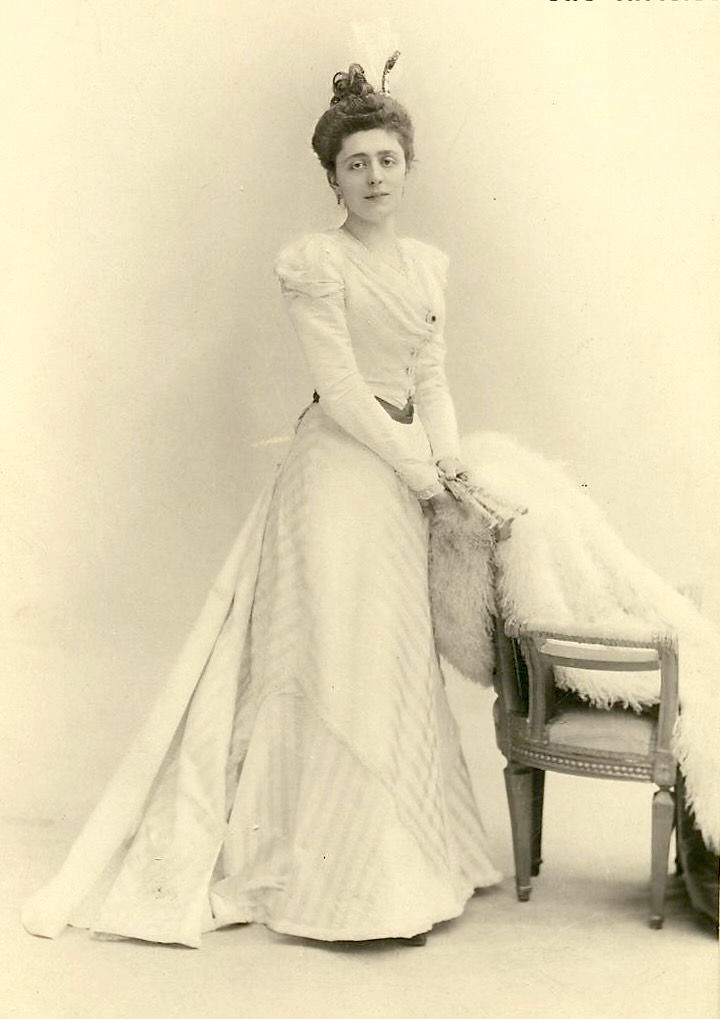
In the 20th century, Ekaterine Gabashvili continued that legacy, championing social reform through education and literature. A pioneer in early Georgian feminism, Gabashvili co-founded women’s associations and opened schools for girls, believing that knowledge was the gateway to empowerment. Her novels explored the emotional and intellectual lives of women, often revealing the quiet tensions beneath surface obedience. These women—rulers, writers, reformers—share a common thread: defying expectation with resolve and grace. Their stories remind us that in Georgia’s complex historical tapestry, women have never been merely silent witnesses—they’ve been architects of the nation’s soul.
In the shadow of Georgia’s stone churches and snow-dusted mountains, art has always been a form of resistance, resilience, and revelation. One of the most iconic cultural figures of the 20th century is the legendary ballet dancer Nino Ramishvili. A founding member of the Georgian National Ballet, Ramishvili helped transform traditional folk dance into a celebrated stage art. Alongside her husband, Iliko Sukhishvili, she toured the world, bringing Georgia’s fiery rhythms and grounded elegance to global audiences. Ramishvili’s legacy isn’t just one of performance—it’s one of preservation, breathing life into heritage while asserting a distinctly Georgian identity on the world stage.
In film, the name Nutsa Gogoberidze stands out—not just for her work, but for her courage. In 1930, she became Georgia’s first female film director, creating Buba, a poignant, politically charged documentary blending Soviet ideals with local narrative. Her bold artistic choices soon led to political suppression; the film was banned, and Gogoberidze was later exiled. For decades, her name was nearly erased, but recent rediscovery of her work has restored her place as a pioneer in both Georgian and feminist cinema. Her story is one of brilliance silenced too soon—but not forever.

Modern Georgia continues to pulse with powerful media voices. Figures like journalist and TV host Nana Zhorzholiani have helped reshape public discourse in the post-Soviet era, navigating issues from corruption to gender equality with intelligence and integrity. Others, like musician Nino Katamadze, use art as emotional activism—her jazz-infused voice carrying messages of peace and introspection. These artists, entertainers, and truth-tellers form a chorus across time: women who dared to create, to speak, to perform in ways that captured the spirit of a people in transformation. Through them, we hear not just stories, but the soul of Georgia—defiant, luminous, unbroken.
The path ahead for Georgian women is marked by both promise and challenge. While recent amendments to the Labor Code aim to close gaps in pay and workplace rights, employment inequality—especially in rural areas—remains deeply entrenched. Domestic violence, though more openly addressed, still casts long shadows, with stigma and underreporting hindering justice. Human trafficking, too, persists at society’s edges, preying on the vulnerable. Yet, awareness is rising. Grassroots movements, legal reforms, and education are forging tools of resistance. The road is steep, but Georgian women have climbed mountains before—and they’ll do so again, voices steady against the winds of silence.


Comments