
Life in Portuguese Mozambique
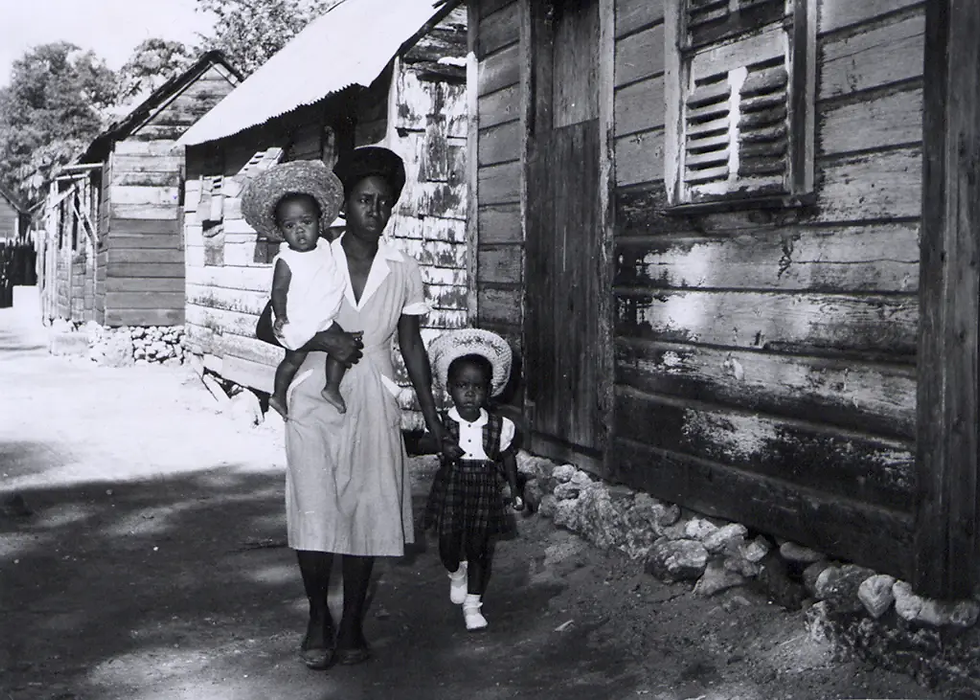
Life in Portuguese Mozambique (1498–1975) was shaped by colonial rule. The Portuguese established a settler economy based on agriculture, mining, and trade, often exploiting African labor through forced work systems. Cities like Lourenço Marques (now Maputo) developed with European-style infrastructure, while most Africans lived in rural poverty. Education and healthcare were limited for the native population. Cultural repression was common, though African traditions endured. A small elite of assimilated Africans (assimilados) gained limited rights. Resistance to colonialism grew, leading to the liberation struggle by FRELIMO in the 1960s, culminating in independence in 1975 after centuries of foreign domination.
Portuguese Mozambique began in 1498 when Vasco da Gama reached the East African coast. Over the centuries, Portugal established trading posts and forts, gradually extending control inland. By the late 19th century, Mozambique became a formal colony during the "Scramble for Africa." The Portuguese exploited local resources and labor, enforcing harsh colonial policies. Resistance movements emerged, especially in the 20th century. In 1964, FRELIMO launched an armed struggle for independence. After a decade-long guerrilla war and Portugal’s 1974 Carnation Revolution, Mozambique gained independence on June 25, 1975, ending nearly 500 years of Portuguese rule and beginning a new chapter of nationhood.
The government of Portuguese Mozambique was a colonial administration under direct control of Lisbon. A Governor-General, appointed by Portugal, held executive power, overseeing military, civil, and economic affairs. The colonial system was authoritarian, with limited political participation, favoring Portuguese settlers and marginalizing the African majority. Indigenous people were classified as "nativos" and subjected to forced labor, taxation, and restricted movement, unless assimilated into Portuguese culture. Laws were based on Portuguese legal codes, and representation was minimal. Education, political rights, and public services were primarily reserved for Europeans. The government suppressed dissent, prompting the rise of nationalist movements like FRELIMO in the 1960s.

Portuguese Mozambique, located in southeastern Africa, stretched along the Indian Ocean coast, offering strategic ports like Lourenço Marques (Maputo) and Beira. Its geography featured diverse landscapes, including coastal plains, savannas, river valleys, and mountain highlands in the west. Major rivers like the Zambezi and Limpopo supported agriculture and transport. The tropical to subtropical climate varied by region, with wet and dry seasons influencing settlement and farming. Fertile land in the north and center supported crops like cotton, cashew, and sugar. Its long coastline facilitated maritime trade, while the interior’s rugged terrain posed challenges for infrastructure and colonial control over rural areas.
Portuguese Mozambique's society was racially and culturally stratified under colonial rule. The majority population was African, belonging to diverse ethnic groups like the Makua, Tsonga, and Sena, living mainly in rural areas. A minority of Portuguese settlers dominated political and economic life, especially in urban centers. A small group of assimilados—Africans who adopted Portuguese language and customs—held limited privileges. Most Africans were classified as indígenas, denied full citizenship and subjected to forced labor and discrimination. Indian and mixed-race communities also lived in towns, contributing to commerce. Social services, education, and healthcare favored Europeans, deepening inequality and fueling nationalist resistance movements.
Urban centers in Portuguese Mozambique were hubs of colonial administration, trade, and settler life. Lourenço Marques (now Maputo), the capital, was the largest city, featuring European-style architecture, modern infrastructure, and a port vital for regional trade. Beira, the second-largest city, served as a key port and rail link to the interior and neighboring countries. Other notable towns included Nampula, Quelimane, and Tete. These cities were racially segregated, with well-developed European districts and under-resourced African neighborhoods. Urban life offered limited opportunities for Africans, though some found work in administration or industry. Cities also became centers for political activism and resistance movements.

The economy of Portuguese Mozambique was colonial and extractive, structured to benefit Portugal and European settlers. Agriculture dominated, with forced labor producing cash crops like cotton, sugar, tea, and cashews for export. Settlers controlled large plantations, while African subsistence farming was marginalized. The colony also exported minerals and relied heavily on migrant labor sent to South African mines. Infrastructure, such as railways and ports, was developed mainly to serve export needs. Trade centered around urban hubs like Lourenço Marques and Beira. African workers received low wages and limited rights, fueling inequality and discontent that eventually contributed to the rise of nationalist movements.
Education in Portuguese Mozambique was limited and highly unequal, favoring Portuguese settlers and a small elite of assimilated Africans. The colonial government prioritized Portuguese language and culture, using schools to promote assimilation rather than genuine development. Most Africans had no access to formal education or received only basic missionary instruction. Higher education was virtually nonexistent in the colony, with advanced studies requiring travel to Portugal. Schools for Africans were underfunded, overcrowded, and focused on manual labor skills. Literacy rates remained low among the African population. This educational disparity reinforced social divisions and fueled resentment that contributed to the independence struggle.
Sports in Portuguese Mozambique reflected colonial influence, with European settlers introducing and dominating organized athletics. Football (soccer) was the most popular sport, played in both urban and rural areas, though facilities and clubs were often segregated by race. Portuguese clubs established teams in cities like Lourenço Marques, where Africans had limited participation in elite competitions. Other sports, such as athletics, tennis, and basketball, were practiced mainly by the settler population. Despite restrictions, African communities embraced football, creating informal leagues and nurturing local talent. Sports gradually became a space for social interaction, cultural expression, and, eventually, political awareness and resistance to colonial rule.
The Carnation Revolution in Portugal on April 25, 1974, was a peaceful military coup that overthrew the Estado Novo dictatorship. It marked a turning point for Portugal’s colonies, including Mozambique. The new Portuguese government sought to end costly colonial wars and quickly moved toward decolonization. In Mozambique, FRELIMO (Front for the Liberation of Mozambique), which had led a decade-long armed struggle against Portuguese rule, entered negotiations with Portugal. The Lusaka Accord was signed in September 1974, recognizing FRELIMO as the legitimate representative. On June 25, 1975, Mozambique gained independence, ending nearly 500 years of colonial rule and beginning a new era.


Comments