
From the Editor: Honoring Elders
- May 5
- 1 min read
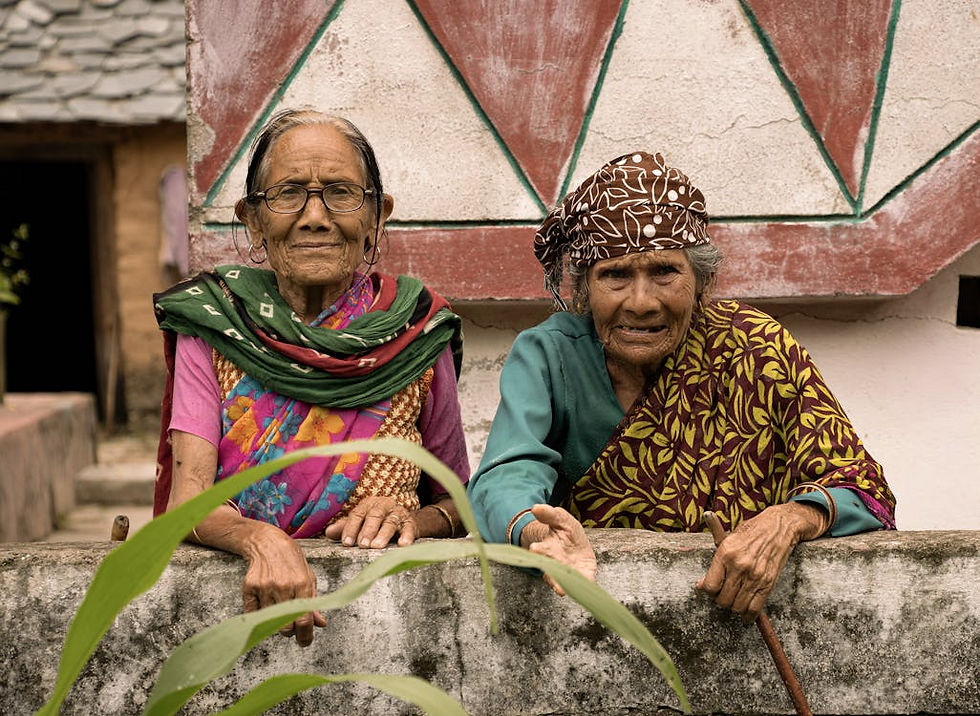
In every society, age gathers like sediment, layering memory, experience, and perspective into the lives of elders. Their stories stretch across decades, bridging eras of transformation that younger generations only inherit secondhand. Yet despite their proximity to history, older voices often remain at the margins of research, their insights overlooked in favor of more visible or easily quantifiable data.
Part of this neglect stems from methodological habits. Social research frequently prioritizes the present moment—capturing trends, behaviors, and attitudes that can be measured quickly. Elders, whose narratives unfold slowly and resist simplification, challenge these frameworks. Their recollections are textured, sometimes fragmented, and shaped by time, making them harder to categorize but no less vital to understanding cultural continuity and change.
There is also a cultural dimension. In rapidly modernizing societies, value is often placed on innovation, productivity, and youth. The elderly may be perceived as belonging to a past that no longer applies, rather than as living archives of adaptation and resilience. This perception can obscure the ways their experiences illuminate long-term patterns, from migration and conflict to environmental shifts and social transformation.
To listen to elders is to expand the timeline of human inquiry. Their stories complicate neat narratives, revealing how cultures evolve not in sudden ruptures but through accumulated lives. By bringing these voices into sharper focus, researchers can better understand not only where societies have been, but where they may yet go.


Comments