
Culture of Croatia
Croatia boasts a rich and diverse culture that blends influences from Central Europe, the Mediterranean, and the Balkans. Its culture has been shaped over centuries by various civilizations, including the Romans, Venetians, Ottomans, and Austro-Hungarians. This fusion of traditions and historical events has produced a unique and vibrant cultural landscape. One of the most prominent aspects of Croatian culture is its strong connection to the arts, especially music and dance. Traditional music often includes the use of tamburica (a string instrument), and various regional styles of folk music are still performed today. The "klapa" singing, a form of a cappella vocal music, is particularly notable and was even inscribed on UNESCO’s intangible cultural heritage list.
Croatia is also known for its literature, with writers like Miroslav Krleža and Ivo Andrić (who won the Nobel Prize in Literature) contributing significantly to the country’s literary legacy. Croatian cuisine is another vital aspect of the culture, with regional specialties ranging from seafood on the coast to hearty stews and grilled meats in the interior. Olive oil, fresh vegetables, and wine are staples, and the country’s diverse climate allows for a rich variety of produce. The country’s festivals play an important role in its cultural life. The Dubrovnik Summer Festival, held every year in the historic city of Dubrovnik, attracts international performers and visitors to celebrate theater, music, and dance. Traditional folk festivals, such as the Sinjska Alka, also showcase the pride Croatians take in their heritage and history. Religion also plays a significant role, with Roman Catholicism being the predominant faith. This is reflected in many public holidays, religious festivals, and church architecture, especially in cities like Split and Zadar.
The history of Croatia is a tapestry of diverse cultures, conflicts, and transformations, marked by its strategic location at the crossroads of Europe. Its story begins in ancient times when the region was inhabited by Illyrian tribes, followed by Greek and Roman influence. The Romans established the province of Illyricum, and cities like Pula and Split, with their well-preserved Roman architecture, still stand as reminders of this era. In the 7th century, Slavic tribes began migrating to the region, laying the foundations for the Croatian identity. The Kingdom of Croatia emerged in the 10th century, with the first King, Tomislav, being crowned in 925. Under Tomislav and his successors, Croatia became a powerful kingdom in Central Europe. However, the kingdom faced challenges from both internal divisions and external forces, including the Hungarian Kingdom, with whom Croatia formed a personal union in 1102, resulting in a shared monarchy.

In the late Middle Ages, Croatia was caught in the struggle between the powerful empires of the Ottomans and the Venetians. By the 16th century, large parts of Croatia were under Ottoman rule, though the coastal areas remained under Venetian control. The fall of the Venetian Republic in 1797 marked the beginning of Croatian incorporation into the Austrian Empire, and later the Austro-Hungarian Empire. The 20th century was marked by significant turmoil. After World War I, Croatia became part of the newly formed Kingdom of Yugoslavia. The Kingdom was followed by the communist Yugoslavia after World War II, under the leadership of Josip Broz Tito. In 1991, following the collapse of Yugoslavia, Croatia declared independence, which led to the Croatian War of Independence (1991-1995), marked by brutal fighting and international recognition of Croatia as a sovereign state.
Croatian fine arts have a rich and diverse tradition, influenced by the country’s location at the crossroads of Central Europe, the Mediterranean, and the Balkans. Over the centuries, Croatia has produced a remarkable range of visual art, from medieval religious works to modern and contemporary pieces. The earliest Croatian fine art can be traced back to the Romanesque and Gothic periods, with notable examples of religious frescoes and sculptures found in churches and monasteries throughout the country. The frescoes in places like the 12th-century church of St. Lucy in Jurandvor, which feature intricate biblical scenes, represent some of the finest examples of early Croatian art. The Gothic period also saw the development of Croatian altarpieces, many of which were influenced by Venetian artists.
The Renaissance in Croatia, particularly in the 15th and 16th centuries, saw an infusion of Italian artistic styles, as Croatia was under Venetian rule during this time. Artists like Juraj Dalmatinac, a Dalmatian sculptor, helped define the Renaissance in Croatia, blending Italian techniques with local traditions. His work on the Cathedral of St. James in Šibenik, a UNESCO World Heritage site, is considered one of the greatest achievements of Dalmatian architecture. In the 19th century, Croatian fine art evolved alongside European movements like Romanticism and Realism. Painters such as Vlaho Bukovac and Ivić Šiško embraced these styles while drawing on the national landscape and history for inspiration. Bukovac, in particular, became famous for his masterful portraits and scenes of everyday life, reflecting both European and Croatian sensibilities.

The 20th century saw the rise of modernism, with Croatian artists experimenting with abstract and avant-garde movements. Groups like the "Zagreb Group" and "Exat 51" in the post-World War II period played a significant role in the development of Croatian abstract art, blending international influences with a distinctly Croatian identity. Today, Croatian fine art continues to thrive, with contemporary artists working in various mediums, from painting and sculpture to digital and conceptual art, making a mark on the global art scene.
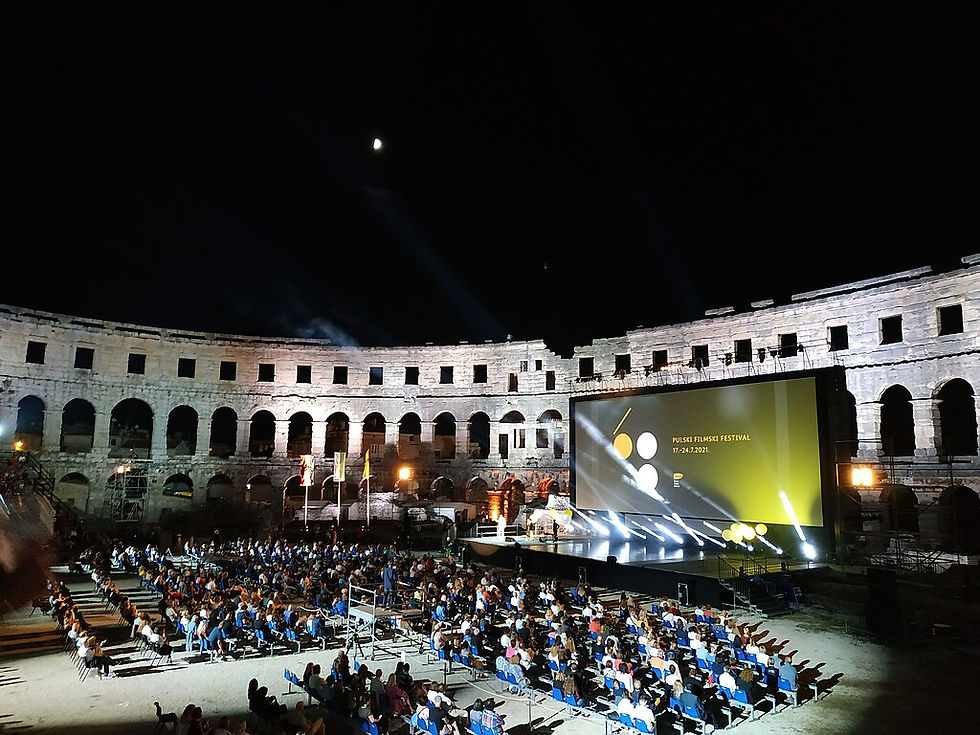
Croatian architecture is a blend of styles and influences that reflect the country’s rich history, geographical position, and cultural exchanges. From ancient Roman structures to modern designs, Croatian architecture embodies centuries of diverse cultural interactions, with elements from Roman, Gothic, Renaissance, Baroque, and modernist traditions. The Roman era left a significant mark on Croatian architecture, with cities like Split and Pula showcasing impressive examples of Roman engineering. The Diocletian’s Palace in Split, built in the 4th century, is one of the most remarkable Roman sites in the world, blending palace and fortification elements. Pula’s Arena, a well-preserved Roman amphitheater, is another testament to the grandeur of Roman architecture in Croatia.
During the Middle Ages, Croatian architecture evolved into Romanesque and Gothic styles. Churches and monasteries were built throughout the country, many featuring intricate stonework and religious motifs. The Cathedral of St. James in Šibenik, a UNESCO World Heritage site, is a masterpiece of the late Gothic style, with its unique use of stone and remarkable sculptural details.
The Renaissance and Baroque periods brought new architectural developments to Croatia, particularly in cities like Dubrovnik, which flourished as a major Mediterranean trading center. The city’s Old Town, another UNESCO site, is a stunning example of Renaissance and Baroque urban planning, with its imposing city walls, elegant palaces, and grand churches.
In the 19th and early 20th centuries, Croatian architecture embraced neoclassical, Art Nouveau, and modernist styles. Notable examples from this period include the Zagreb Railway Station, designed in an elegant neoclassical style, and the vibrant modernist structures by Croatian architects like Vjenceslav Richter. Today, Croatian architecture is a blend of traditional and contemporary influences. Modern architects continue to draw inspiration from the country’s rich heritage while embracing innovative designs that address the challenges of the 21st century, making Croatian architecture both historically significant and forward-looking.
Croatian music and performing arts have a deep-rooted tradition, shaped by the country’s diverse cultural influences from Central Europe, the Mediterranean, and the Balkans. The rich history of Croatian music spans from ancient folk songs to classical compositions and modern performances, making it an essential part of the nation’s cultural identity. Traditional Croatian music is diverse, with regional styles that reflect the varied history and landscapes of the country. Folk music plays a significant role, with the klapa singing tradition, which originated in Dalmatia, being especially renowned. Klapa is a form of a cappella singing, often performed by male or mixed vocal groups, and was inscribed on UNESCO’s list of Intangible Cultural Heritage in 2012. Another key aspect of Croatian folk music is the tambura, a traditional string instrument, which is central to the folk music of Slavonia.
Classical music in Croatia has a long and distinguished history, with composers such as Ivan Zajc and Dora Pejačević contributing significantly to the development of national classical music. Croatian operas, symphonic compositions, and chamber music have gained international recognition, and the country is home to several prestigious music festivals, including the Varaždin Baroque Evenings and the Dubrovnik Summer Festival. In the realm of performing arts, Croatia is known for its vibrant theater scene. Zagreb, the country’s capital, boasts a number of historic theaters, including the Croatian National Theater, which stages both classic and contemporary performances. The Dubrovnik Summer Festival, a highlight in the country’s cultural calendar, showcases drama, music, dance, and opera in the stunning setting of the medieval city. Modern Croatian performers, musicians, and dancers continue to gain recognition both domestically and internationally. Croatia’s music scene spans genres from pop and rock to jazz and electronic music, reflecting the country’s evolving cultural landscape. Through both its traditional roots and contemporary innovations, Croatian music and performing arts continue to thrive, reflecting the nation's diverse and dynamic identity.
Croatian literature is a rich tapestry of historical, cultural, and linguistic influences that reflects the country’s complex past and diverse heritage. From medieval religious texts to contemporary novels, Croatian literature has played an important role in shaping the nation’s identity and has made significant contributions to world literature. The roots of Croatian literature can be traced back to the Middle Ages, with early works written in Latin and Old Croatian. The Baška tablet, a stone inscription from the 12th century, is one of the earliest examples of written Croatian and marks the beginning of the country's literary tradition. In the medieval period, much of the literature was religious and moralistic, with authors like the Benedictine monk Donatus and the first Croatian bishop, St. Methodius, contributing to the development of the language and literary culture.

The Renaissance and Baroque periods saw the rise of Croatian humanist literature, with poets like Petar Zoranić writing the epic Planine (Mountains), which combined classical ideals with the local Croatian experience. However, it was during the 19th century, especially with the Romantic movement, that Croatian literature truly flourished. Writers like August Šenoa, a pioneer of Croatian realism, helped shape the national literary identity by addressing themes of Croatian history, culture, and folklore. The 20th century brought further diversification, with prominent figures such as Miroslav Krleža, whose works are considered cornerstones of Croatian literature. Krleža's novels, essays, and plays explored social and political themes, often critiquing the complexities of Croatian and Yugoslav identity. Another key figure, Ivo Andrić, won the Nobel Prize for Literature in 1961 for his novel The Bridge on the Drina, which delves into the historical tensions in the Balkans. Today, Croatian literature continues to evolve, with contemporary writers like Dubravka Ugrešić and Daša Drndić addressing modern issues while maintaining connections to the country’s literary traditions. The richness of Croatian literature, from its medieval roots to modern innovations, remains an essential part of the cultural fabric of Croatia.
Croatian film and television have experienced significant growth and international recognition, reflecting both the country’s rich cultural heritage and its evolving societal landscape. The Croatian film industry has a relatively young history, especially after the country gained independence in 1991, but it has quickly developed a distinctive voice in European cinema. The roots of Croatian cinema can be traced back to the early 20th century, with the first Croatian feature film, Brcko (1911), marking the beginning of a national film tradition. However, it was during the Yugoslav era, particularly in the 1960s and 1970s, that Croatian filmmakers gained attention on the international stage. Directors like Dušan Makavejev and Krsto Papić were part of the Yugoslav Black Wave, a movement that sought to break away from conventional storytelling and explore themes of political oppression and societal transformation. Makavejev’s W.R.: Mysteries of the Organism (1971), though primarily a Serbian production, is considered an important film in the region.
Post-independence, Croatian cinema found its own identity, with filmmakers tackling themes of war, transition, and national identity. The 1990s and 2000s saw a series of notable films, such as The High Sun (2015) by Dalibor Matanić, which won multiple awards at international film festivals. In the same period, films like Time of the Gypsies (1988) by Emir Kusturica and The Constitution (2016) by Rajko Grlić have explored cultural, political, and social complexities unique to the region. Television in Croatia has also evolved significantly. The national broadcaster, HRT (Croatian Radiotelevision), produces a variety of high-quality programs, ranging from news and drama to comedy and documentary. Popular Croatian TV shows like Naša mala klinika (Our Little Clinic) and Crno-bijeli svijet (Black-and-White World) reflect both humor and nostalgia for the past, while more contemporary dramas tackle issues like generational conflict and identity. Croatian filmmakers and television producers continue to receive recognition globally, with films being showcased at prestigious events like the Cannes Film Festival and the Venice Film Festival. Today, Croatia’s film and television industries are integral to the cultural conversation, both in the region and internationally.
Education in Croatia is highly valued and is structured to provide comprehensive learning opportunities from early childhood through higher education. It has undergone significant reforms over the years to adapt to modern needs while maintaining a strong emphasis on academic excellence. The Croatian education system is divided into several stages, beginning with preschool education, which is optional but widely attended. Primary education is compulsory and lasts for eight years, typically beginning at age 6. This period focuses on developing foundational skills in subjects like Croatian language, mathematics, science, and social studies, as well as teaching foreign languages, usually English. Primary education aims to foster critical thinking and social skills, and students are encouraged to engage in extracurricular activities like music, sports, and arts.
After primary school, students move on to secondary education, which is not compulsory but is attended by the vast majority of students. Secondary education is divided into general secondary schools (gymnasiums) and vocational schools. Gymnasiums provide a broader, more academic curriculum, preparing students for university education, while vocational schools offer specialized training in fields like engineering, healthcare, and tourism, which are important industries in Croatia. Higher education in Croatia is available at universities and polytechnics. The University of Zagreb, founded in 1669, is the largest and oldest in the country. There are several other universities across the nation, such as the University of Split and the University of Rijeka, as well as numerous private institutions. Croatian universities offer a wide range of programs, many of which are recognized internationally. The country has a high rate of university graduates, and Croatian students often study abroad, particularly in other European Union countries. Croatia’s education system is well-regarded for its academic rigor, and there are ongoing efforts to modernize teaching methods and curricula. As a member of the European Union, Croatia also participates in various international education programs, such as Erasmus+, further integrating its education system into the broader European context.
Croatia is home to a remarkable number of UNESCO World Heritage Sites, reflecting its rich history, diverse culture, and stunning natural landscapes. As of today, Croatia boasts 10 UNESCO World Heritage Sites, each showcasing the country’s unique heritage and attracting visitors from around the world. The Historic Complex of Split with the Palace of Diocletian is one of the most famous sites. This 4th-century Roman palace, built by Emperor Diocletian, has been remarkably preserved and integrated into the modern city of Split. It is both a living space and a monumental reminder of ancient Roman architecture.
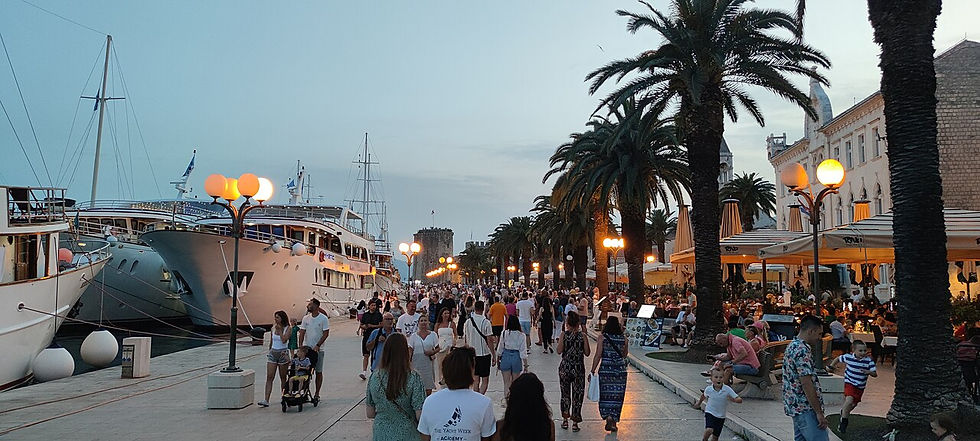
Another prominent site is Dubrovnik, often called the “Pearl of the Adriatic.” The city’s Old Town, surrounded by formidable medieval walls, is a UNESCO treasure due to its well-preserved Renaissance and Baroque buildings, narrow streets, and vibrant cultural life. Dubrovnik’s status as a key Mediterranean trade center in the Middle Ages has earned it global recognition.
Plitvice Lakes National Park is Croatia’s first UNESCO World Heritage site, inscribed in 1979. This stunning national park features 16 interconnected lakes, cascading waterfalls, and lush forests, creating a picturesque landscape that is both a natural wonder and a haven for biodiversity. The Cathedral of St. James in Šibenik is another UNESCO-listed site. This masterpiece of Renaissance architecture stands out for its unique stone construction and exceptional sculptural work, particularly the intricately carved stone heads on its outer walls.
Other notable UNESCO sites include The Euphrasian Basilica in Poreč, The Ancient City of Trogir, and The Historical City of Varaždin. Croatia also boasts beautiful Stari Grad Plain on the island of Hvar, and The Church of St. Peter and St. Paul in the village of St. Lovre in Istria. Each site offers a window into the rich history and cultural diversity that define Croatia. These UNESCO sites underscore Croatia’s importance as a cultural and natural crossroads of Europe.
Croatia is a country rich in traditions and festivities, with a calendar full of vibrant celebrations that reflect its diverse cultural heritage and history. These celebrations are a mix of religious, historical, and seasonal events, and they often bring communities together to celebrate Croatian identity, folklore, and customs. One of the most famous Croatian festivities is Carnival (Fašnik), celebrated in many towns across the country, but particularly in Rijeka, which hosts one of the largest and most colorful carnival celebrations in Europe. The Carnival season, culminating on Fat Tuesday, is marked by parades, elaborate costumes, masks, dancing, and merrymaking. It is a time for people to let loose before the solemn period of Lent begins.
Another major event is Easter (Uskrs), which is celebrated with a blend of religious rituals and folk customs. Croatian Easter traditions include the decoration of eggs (called pisanice) and the preparation of special foods such as pinca (a sweet Easter bread). On Easter Sunday, families gather for festive meals and church services. The Assumption of the Virgin Mary (Velika Gospa), celebrated on August 15, is another significant religious holiday, especially in Marija Bistrica, the country’s most important pilgrimage site. Devotees travel to the town to honor the Virgin Mary, and the day is marked by religious processions, local fairs, and celebrations.

The Sinjska Alka is a unique Croatian tradition held in the town of Sinj every August, commemorating the victory of the town’s defenders against the Ottoman Empire in 1715. This event features a thrilling horseback riding competition where participants try to hit a hanging target with a lance. It is a testament to Croatia’s warrior traditions and is inscribed on UNESCO’s list of Intangible Cultural Heritage. In addition, Advent in Zagreb is a magical time of year, with Christmas markets, lights, and cultural performances creating a festive atmosphere throughout the city. Local food, music, and customs enrich the holiday season, making Croatian traditions and festivities a vital part of the country's cultural identity.
Croatian cuisine is a flavorful reflection of the country’s diverse geography and cultural influences, blending Mediterranean, Central European, and Balkan flavors. The cuisine varies significantly by region, with coastal areas, the islands, and inland regions each offering their own distinctive dishes. In the coastal regions, especially along the Adriatic Sea, seafood is central to the diet. Grilled fish, squid, and octopus are common, often prepared with simple ingredients like olive oil, garlic, and herbs. A signature dish is peka, a slow-cooked meal made of meat (usually lamb, veal, or chicken) and vegetables, cooked under a bell-shaped lid covered with embers. Alongside seafood, Istrian truffles and olive oil are key ingredients in the coastal region, with Istria known for its high-quality olive oil production.
In the inland areas, Croatian cuisine takes on more hearty, robust flavors, with an emphasis on meats and stews. Ćevapi, small grilled minced meat sausages, are a beloved street food, often served with flatbread and onions. Sarma, a dish of stuffed cabbage rolls with minced meat and rice, is another winter favorite. Pasticada, a slow-cooked beef stew, is typically served with homemade gnocchi and is popular during holidays and celebrations. Croatia’s diverse range of wines also plays a vital role in its cuisine. The country boasts several unique wine regions, with indigenous grape varieties like Plavac Mali from the Dalmatian coast and Malvazija from Istria, contributing to a rich wine culture. Desserts in Croatia are equally varied, with kremšnita (a creamy custard pastry) from Samobor and fritule (small doughnut-like treats) being popular across the country. Rakija, a fruit brandy, is commonly served as an aperitif or digestive.

Sport plays a central role in Croatian culture, with the country enjoying notable success across a variety of disciplines, from football and basketball to tennis and handball. Croatia's passion for sports is deeply ingrained, and the nation's achievements on the international stage are a source of national pride. Football (soccer) is the most popular sport in Croatia, and the national team has gained international acclaim, particularly after reaching the final of the 2018 FIFA World Cup in Russia, where they finished as runners-up. Players like Luka Modrić, who won the Ballon d'Or in 2018, have helped elevate Croatian football to global recognition. The domestic football league, Prva HNL, also produces talent that often makes its way to top European clubs.
Basketball is another highly popular sport in Croatia, which has produced some of the best players in the world. The country’s national team has won multiple European and World Championship medals. Croatian players like Dražen Petrović (often considered one of the greatest European basketball players) and Toni Kukoč have made significant contributions to the sport, particularly in the NBA. Tennis has seen a surge in popularity, especially with players like Goran Ivanišević, who won Wimbledon in 2001, and Marin Čilić, who claimed the US Open in 2014. Croatian tennis players are known for their competitive spirit and have established the country as a strong contender in global tennis tournaments.
Croatia is also a powerhouse in handball, winning numerous international titles, including World Championship medals. In water polo, Croatia has a rich history, with the national team being a dominant force in European and world competitions. Sports are not only a source of entertainment but also a way to unite Croatians, with passionate fans supporting their local clubs and national teams. The country’s sporting achievements continue to inspire pride and foster a strong sense of national identity.


Comments