
Coming of Age in Samoa: Revisited
Margaret Mead’s Coming of Age in Samoa (1928) explored adolescence among Samoan girls, arguing that their transition to adulthood was smoother and less stressful than in Western societies. Mead attributed this to Samoa’s relaxed attitudes toward sexuality, strong community support, and structured social roles. Her work challenged Western assumptions about human development and sparked debate in anthropology. Since its publication, life for Samoan youth has changed significantly. Modernization, urbanization, and increased exposure to global media have altered traditional customs and values. Formal education has become more widespread, and Christianity remains a major influence. However, cultural expectations around family, respect, and communal responsibility still shape youth experiences. Today, young Samoans often navigate a complex blend of traditional values and modern global influences.
Education for adolescent girls in Samoa and American Samoa has seen notable progress, yet challenges persist. Samoa boasts a high female literacy rate of 99.4% among those aged 15–24, surpassing the global average . Girls' enrollment in secondary education is commendable, with female attendance exceeding that of boys by 12% . However, dropout rates remain concerning; approximately 28% of girls leave school by Year 13 . Factors such as poverty, child marriage, and family responsibilities contribute to these statistics. American Samoa shares similar educational challenges.
While specific data on female literacy and enrollment are limited, historical institutions like the Atauloma Girls School reflect the region's evolving approach to girls' education. Established in 1900, it was the first school for girls on the island, emphasizing the importance of education for young women. Both regions have implemented initiatives to enhance literacy and educational outcomes for girls. Programs like the Synthetic Systematic Phonics (SSP) in Samoa aim to strengthen foundational literacy skills, benefiting students like Sharonbada Seminare and Agnesepifania Ralio. Such efforts are crucial in addressing the remaining educational disparities and empowering adolescent girls for a brighter future.
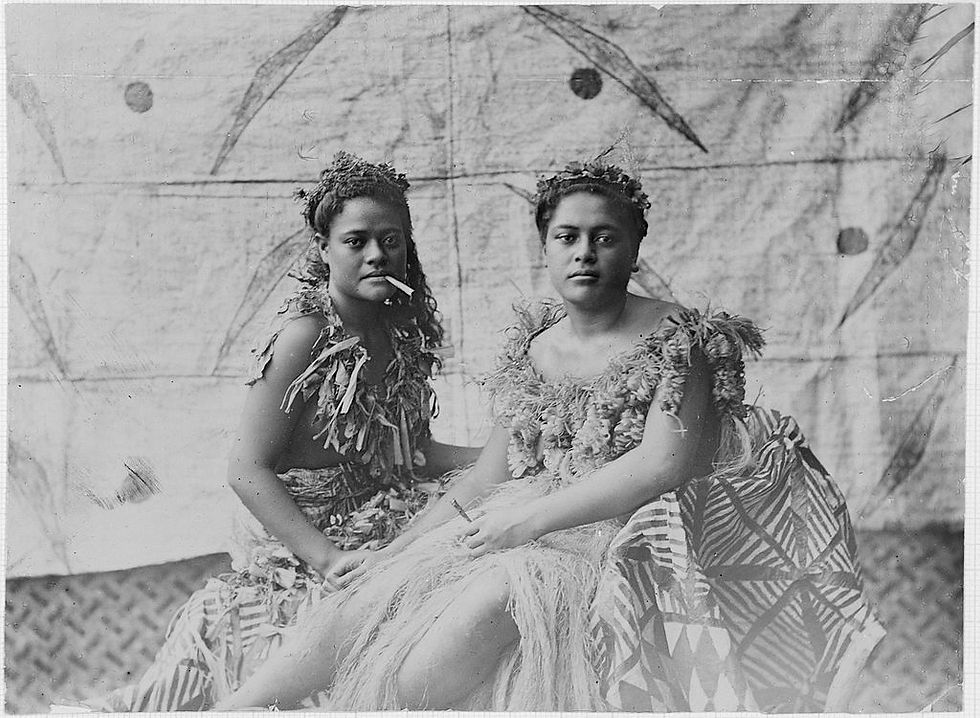
Gender roles for Samoan youth are shaped by a blend of traditional values, Christian influence, and evolving social norms. Boys and girls are often raised with distinct expectations—girls are typically encouraged to be modest, respectful, and family-oriented, while boys are expected to be strong, responsible, and protective. However, Samoan society also recognizes fa'afafine, individuals assigned male at birth who embody feminine gender roles. Fa'afafine are a respected part of Samoan culture and often contribute significantly to family and community life, particularly in caregiving and domestic roles. Their presence reflects Samoa’s more fluid and inclusive view of gender compared to many Western cultures. While traditional gender expectations persist, especially in rural areas, urbanization and global influence are gradually reshaping how gender roles are viewed and expressed among Samoan youth.
Adolescent girls in Samoan society play important roles within both the family and community, guided by cultural values of respect (fa’aaloalo), service (tautua), and family honor (aiga). They are often expected to help with household duties, care for younger siblings, and assist in community and church activities. Education is increasingly emphasized, but girls are also raised to uphold family reputation through modesty, obedience, and respect for elders. In cultural ceremonies, such as ava rituals and family gatherings, girls may take on formal responsibilities. As they mature, they are seen as future caretakers and contributors to both family welfare and cultural continuity. While traditional roles remain influential, modernization and access to education are expanding opportunities for girls to participate in leadership and professional roles.
Adolescent girls and young women in Samoa and American Samoa face significant health challenges, particularly concerning reproductive healthcare access. In Samoa, while awareness of contraceptive methods is relatively high—76.1% among 15 to 19-year-olds—actual usage remains low, with only about 30% of women using modern contraception. This gap is attributed to cultural stigma, limited access to youth-friendly services, and inadequate comprehensive sex education. Additionally, the adolescent fertility rate is notably high, and sexually transmitted infections (STIs), especially chlamydia, are prevalent among youth.

In American Samoa, reproductive health options are severely restricted. Abortion is illegal, and while emergency contraception is available, access is limited. This lack of reproductive autonomy, combined with cultural and legal barriers, leaves young women with few choices regarding their sexual and reproductive health. Both regions are working towards improving access to reproductive healthcare for adolescent girls. Initiatives include integrating comprehensive sexuality education into school curricula and establishing youth-friendly health services. However, overcoming cultural taboos and ensuring equitable access to services remain ongoing challenges.
Samoan culture is rich in tradition and pride, especially for young women and girls in Samoa and American Samoa. One important cultural practice is receiving the malu tattoo, a sacred rite symbolizing grace, service, and responsibility. The malu is traditionally worn by women and covers the upper legs. It represents a girl's readiness to serve her family and community with dignity. Young women are taught respect (fa'aaloalo), humility, and the importance of family (aiga). They often take part in traditional dances, weaving, and church activities. Cultural values emphasize inner strength, beauty, and leadership. Growing up in this environment, girls are encouraged to carry their heritage with pride and to be guardians of Samoan identity for future generations.
Western media and lifestyles have greatly influenced the lives of young Samoan women and girls in both Samoa and American Samoa. Through social media, movies, and television, ideals of beauty, success, and independence often conflict with traditional Samoan values like modesty, family duty, and community service. Many young women face pressure to look or act a certain way, leading to body image concerns and cultural confusion. The shift toward individualism can challenge the communal lifestyle deeply rooted in Samoan culture. Western fashion and behaviors may also conflict with traditional expectations, such as wearing the puletasi or practicing respectful speech. While some influences can inspire education and empowerment, they can also create identity struggles as young Samoan women balance two different worlds.
Margaret Mead’s Coming of Age in Samoa (1928) sparked global interest by portraying Samoan girls as growing up in a relaxed, sexually free society. Her work challenged Western ideas about adolescence but also simplified and misrepresented complex Samoan traditions. Since then, the lives of young women and girls in Samoa have changed significantly. Education, Christianity, and stronger ties to global culture have reshaped their roles and opportunities. Today, many girls pursue higher education and careers while still honoring cultural values like respect, service, and family loyalty. While Mead's book opened doors to anthropological debate, modern Samoan women navigate a more complex reality—balancing tradition with modernity, and asserting their identities in ways far richer and more nuanced than Mead described nearly a century ago.


Comments