
Asian Elephants
ELEPHANTS > ELEPHAS
ASIAN ELEPHANTS
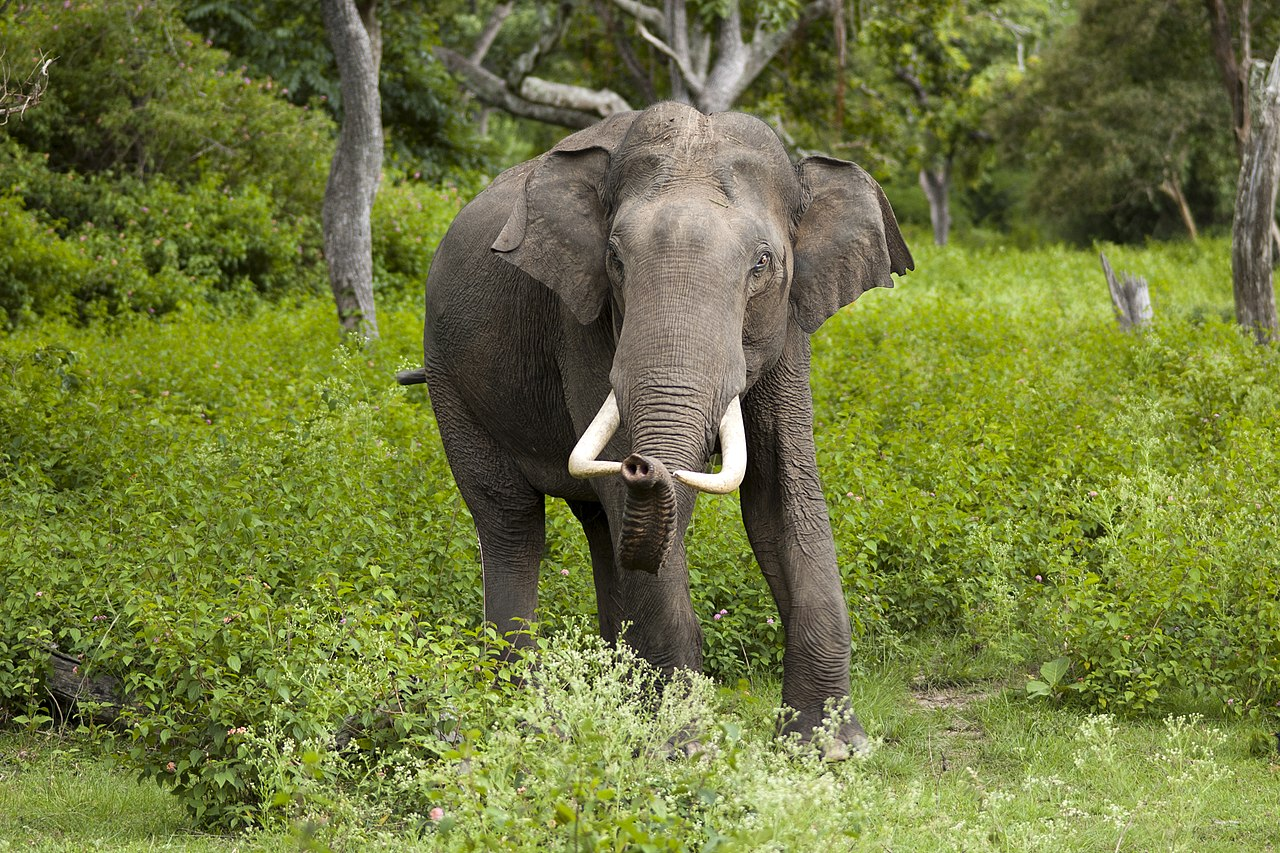
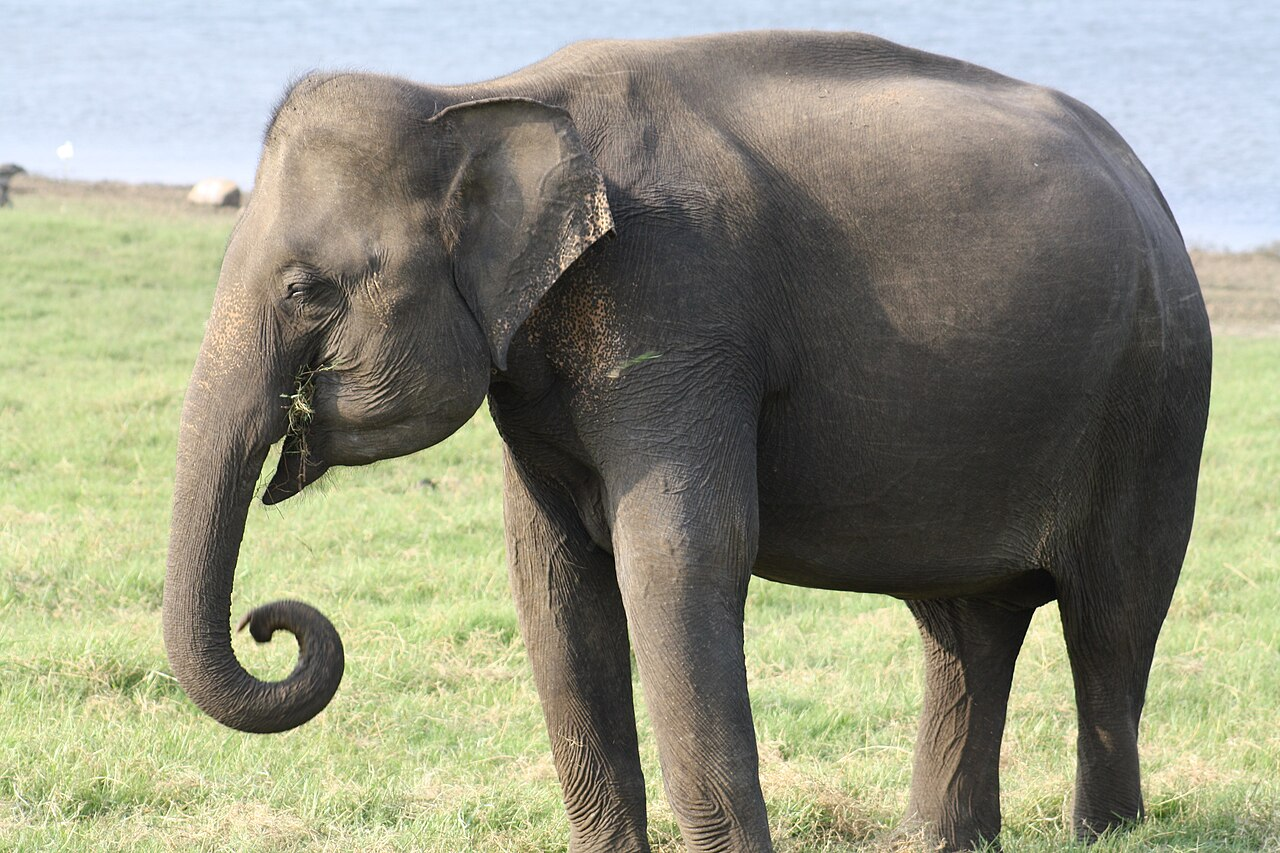
The Asian elephant (Elephas maximus), with its distinctive smaller ears and more compact body compared to its African cousin, roams the forests and grasslands of South and Southeast Asia. Once widespread across the continent, these majestic creatures now face a much smaller range, scattered across a fragmented and shrinking habitat. Their role as keystone species in ecosystems—shaping forests, creating waterholes, and dispersing seeds—has made them indispensable to biodiversity. Yet, despite their importance, Asian elephants are classified as endangered by the International Union for Conservation of Nature (IUCN), with fewer than 50,000 individuals remaining in the wild.
COMMON NAME: Asian Elephants SCIENTIFIC NAME: Elephas maximus TYPE: Elephants DIET: Herbivore GROUP NAME: Herd AVERAGE LIFE SPAN IN THE WILD: 60-70 Years SIZE: 7-10 feet WEIGHT: 6000-8800 pounds |
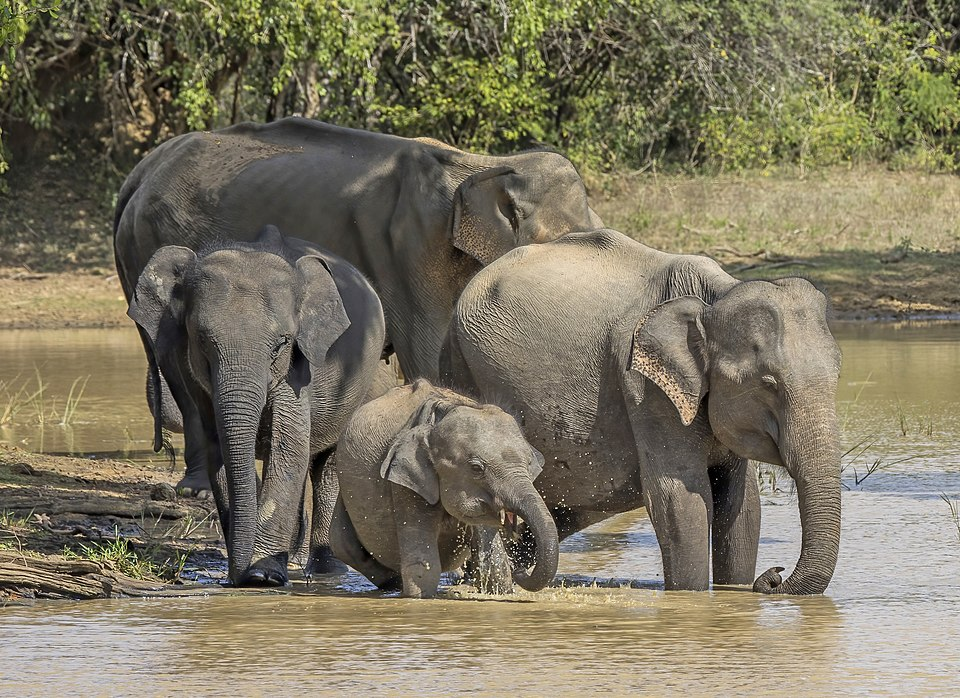
In the wild, Asian elephants live in a variety of habitats, from the tropical rainforests of India and Sri Lanka to the mountainous regions of Nepal and Bhutan. They are highly social animals, often living in herds led by matriarchs, with strong bonds between individuals. However, the loss of habitat due to agricultural expansion, deforestation, and urbanization has pushed these elephants into increasingly smaller patches of land, isolating populations and making their movements more difficult. As human settlements encroach on their territories, the risk of human-elephant conflict has soared, with elephants often raiding crops or wandering into villages in search of food.
The primary threat to Asian elephants is habitat destruction. Logging, agriculture, and the expansion of cities and roads have significantly diminished the elephants' natural range. As they lose access to forest corridors, these elephants are forced into direct contact with human populations, leading to tragic encounters. In many regions, elephants raid crops for food, especially in areas where their traditional feeding grounds have been converted into farmland. This conflict often results in the death of elephants, as farmers use poison, traps, or firearms to protect their livelihoods. Additionally, elephants are sometimes killed for their tusks, though the demand for ivory is lower than for African elephants, it still poses a threat.
Conservation efforts for the Asian elephant have gained momentum in recent years, focusing on habitat restoration, conflict mitigation, and awareness programs. In India, where over 60% of the wild Asian elephant population resides, national parks and wildlife sanctuaries such as Kaziranga and Jim Corbett have become focal points for conservation. These protected areas are crucial for maintaining elephant populations, and efforts are underway to reconnect isolated habitats with wildlife corridors. Wildlife corridors—narrow strips of land that allow elephants and other animals to move freely between fragmented habitats—are being established to reduce human-elephant conflicts and give elephants access to the resources they need to survive.

In addition to habitat restoration, there is growing emphasis on community-based conservation. Local farmers, village leaders, and communities play a pivotal role in preventing conflicts between humans and elephants. Programs that promote coexistence, such as educating farmers on elephant behavior, using non-lethal deterrents like electric fences, and providing compensation for crop damage, have shown success in reducing tensions. In Sri Lanka, where human-elephant conflict is particularly severe, "training elephants" to help manage wildlife corridors and assist in crop protection has proven effective. These collaborative efforts involve elephant experts working closely with local communities to find solutions that benefit both humans and wildlife.
Despite the challenges, there is hope for the future of the Asian elephant. Conservation organizations like the World Wildlife Fund (WWF) and Wildlife Conservation Society (WCS) are actively involved in on-the-ground conservation, as well as lobbying for stronger protection laws and better enforcement of existing regulations. International efforts are also underway to combat the illegal wildlife trade, which includes the poaching of elephants for their ivory. In Thailand, a "re-wilding" initiative aims to restore elephant populations to parts of their former range where they have been lost. These efforts not only aim to protect the elephants but also to safeguard the forests, watersheds, and ecosystems that they help maintain.



Comments