
Anthro International Special Report: 2025-2026 Iranian Protests
- Joseph Wilson

- 15 hours ago
- 4 min read

Overview
Iran’s story stretches from the Achaemenid Empire to modern Tehran, layered with conquests, poetry, and revolution. Snow leopards pad across the Alborz Mountains, while Persian leopards, Asiatic cheetahs, and migrating cranes inhabit deserts and wetlands. The Persian language, Farsi, carries verses of Hafez and Ferdowsi, shaping identity beyond borders. In bazaars scented with saffron and rosewater, carpets, miniature paintings, and Nowruz celebrations reveal a culture resilient, artistic, and deeply rooted in antiquity and hospitality traditions.
In the remote villages of rural Iran, children face significant educational barriers due to a lack of books and school supplies. Limited access to resources hinders their learning, perpetuating cycles of poverty and restricting future opportunities for both individual growth and community development.


556,000 Iranian Adolescents Drop Out Before School Due to Poverty | In rural Iran, poverty is a key driver behind the alarming dropout rates among adolescents, with hundreds of thousands forced to abandon their education. Limited access to resources, such as textbooks, school supplies, and qualified teachers, exacerbates the challenge. For many families, the immediate need for income outweighs the long-term benefits of education. As children leave school to support their families through labor, they face limited opportunities for upward mobility, perpetuating a cycle of poverty that is hard to break, particularly in areas with few economic alternatives. |
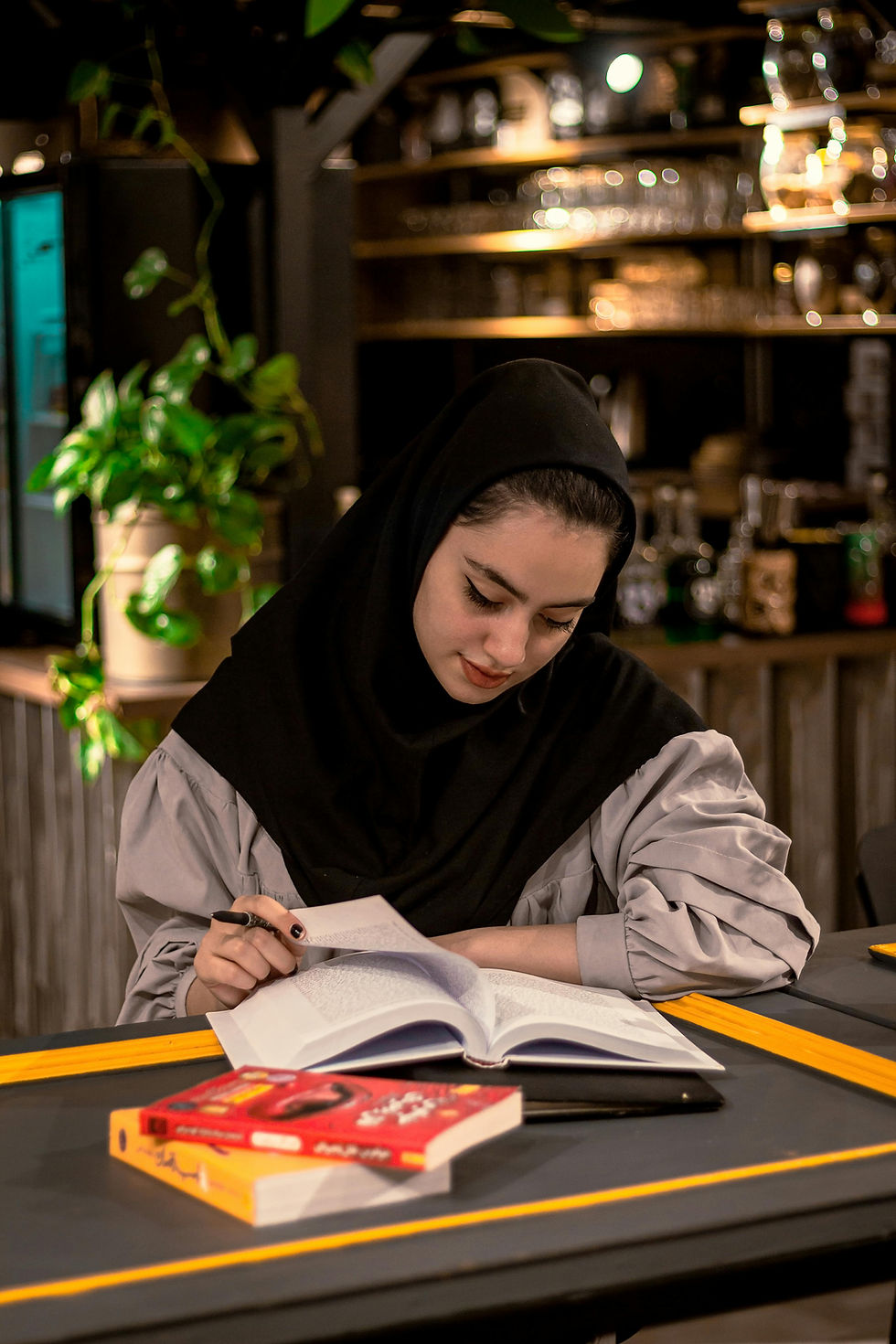 | Rural communities in Iran face significant educational challenges that are often compounded by geographic isolation and economic hardship. In these regions, school dropout rates soar due to a combination of factors, chief among them being poverty. Families living in remote villages often struggle to meet basic needs, leaving education as a secondary concern. Children, particularly adolescents, are frequently pulled out of school to work and help support their families, as labor opportunities in agriculture or local industries are more immediate sources of income than the long-term benefits of education. This economic pressure is further exacerbated by the lack of infrastructure and access to educational resources, such as textbooks, school supplies, and extracurricular programs, which are more readily available in urban centers. Teacher shortages are another significant hurdle in rural Iran, where attracting and retaining qualified educators is a perennial struggle. Many teachers in these regions face difficult living conditions, with low salaries, limited professional development opportunities, and a lack of community support. This is further compounded by the scarcity of school counselors, who are crucial in guiding students through academic and personal challenges. In urban areas, schools typically have a larger pool of resources, better-trained educators, and access to specialized services like counseling, but these advantages are seldom mirrored in rural areas. As a result, rural students are left with fewer opportunities to succeed, deepening the educational divide between urban and rural populations. |
 | Donations of books and school supplies have the power to transform the educational prospects of children in rural Iran, offering them a much-needed chance at a brighter future. In remote areas where resources are scarce, access to essential learning tools like textbooks, notebooks, and writing materials can make a profound difference in a child's ability to engage with their education. For many students, these items are not just accessories; they are the bridge between staying in school and dropping out. With the right resources, children are better equipped to succeed academically, fostering a sense of accomplishment that can inspire them to continue their studies. These donations can also have a ripple effect on the community by providing children with the tools they need to pursue higher education or better employment opportunities. With access to quality education, young people in rural Iran are more likely to gain the skills required for higher-paying jobs in various sectors, breaking the cycle of poverty that often binds their families. In turn, these gains can help uplift entire communities, offering a path toward economic stability and improved living standards. |
SINCE 1981 | Caritas Iran was founded in 1981 by the Iranian Bishops’ Conference and at first its work was limited to small and occasional projects within the Christian Community. It was after the devastating earthquake in Bam in December 2003 that Caritas Iran began to be operational on a wider scale, thanks in large part to the support of Caritas Internationalis and the Caritas network, in a very special way to the support of Caritas Italy. Soon after the earthquake, an Emergency Response Support Team (ERST) was sent to Bam to evaluate the situation and lay the groundwork for building the confederation’s response. Beginning in January 2004, Caritas Iran started its own relief operation and reconstruction projects, which were implemented by Iranian volunteers and colleagues from the international network and from Caritas Italy. Twenty years after the earthquake, Caritas Iran is still very active, carrying out relief and reconstruction projects in Bam and its surrounding deprived villages, as well as assisting populations affected by natural disasters in other provinces. |
Since 2004, projects Caritas has carried out included support for those affected by the earthquake, communities affected by floods, individuals with Spinal Chord Injuries, assistance for those in difficult situations of poverty, and Afghan refugees. |
|

Comments